



































Introduction
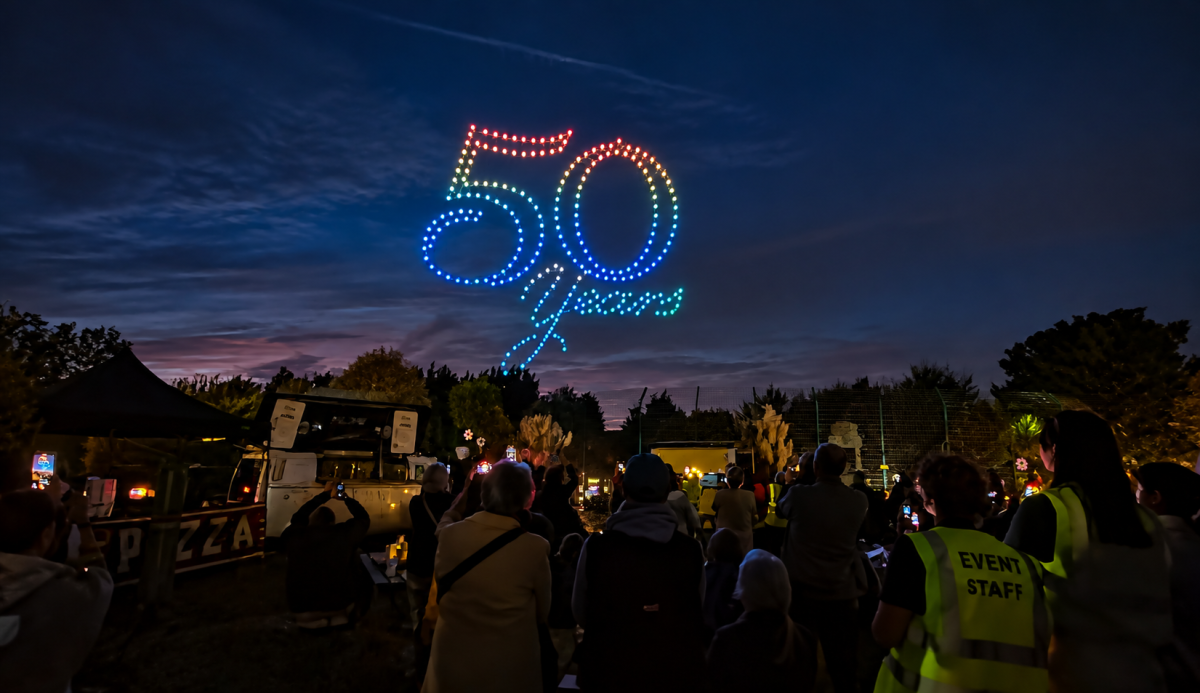
The Isle of Wight has never been short of reasons to gather, and the Island’s current events picture suggests that appetite remains strong as spring turns towards the larger festival months ahead. From Cowes to Newport, the island’s leisure calendar is once again filling with occasions that ask people to be present in the same place, at the same time, for something shared. Whether that means live music, literary festivals, outdoor fairs or community weekends, the pull of real-time experience continues to hold its ground.
The Calendar Is Already Pointing in That Direction
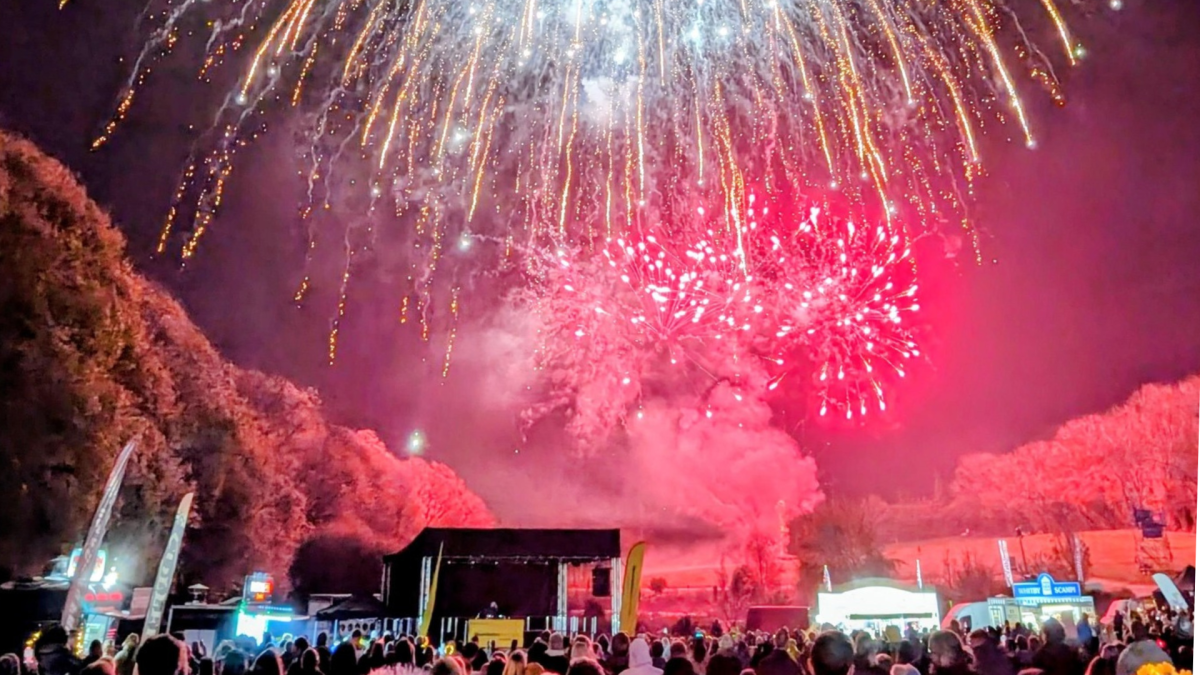
That point is easy to see in the weeks ahead. Northwood House is preparing to host the Isle of Wight Spring Art and Garden Fair, one of the island’s first major outdoor events of the season, while the official Isle of Wight Festival site has continued building momentum around June with updates such as The Cure headlining Sunday at the 2026 festival. These are very different occasions, but they rely on the same basic instinct: people still want events that feel communal, timely and worth stepping out for.
That matters because, on an island where weather, travel and routine can all influence social plans, turnout is never only about convenience. It is often about whether an event feels distinctive enough to create its own sense of occasion. When it does, islanders tend to respond.


The Pattern Is Bigger Than One Event
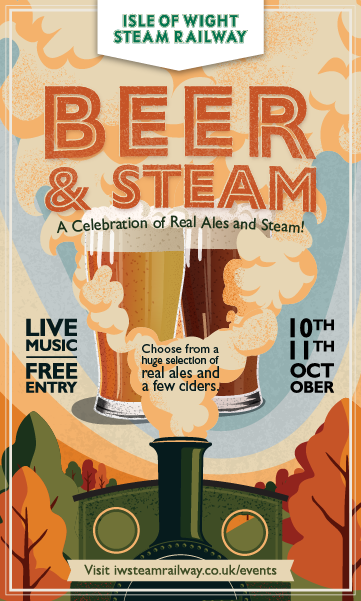
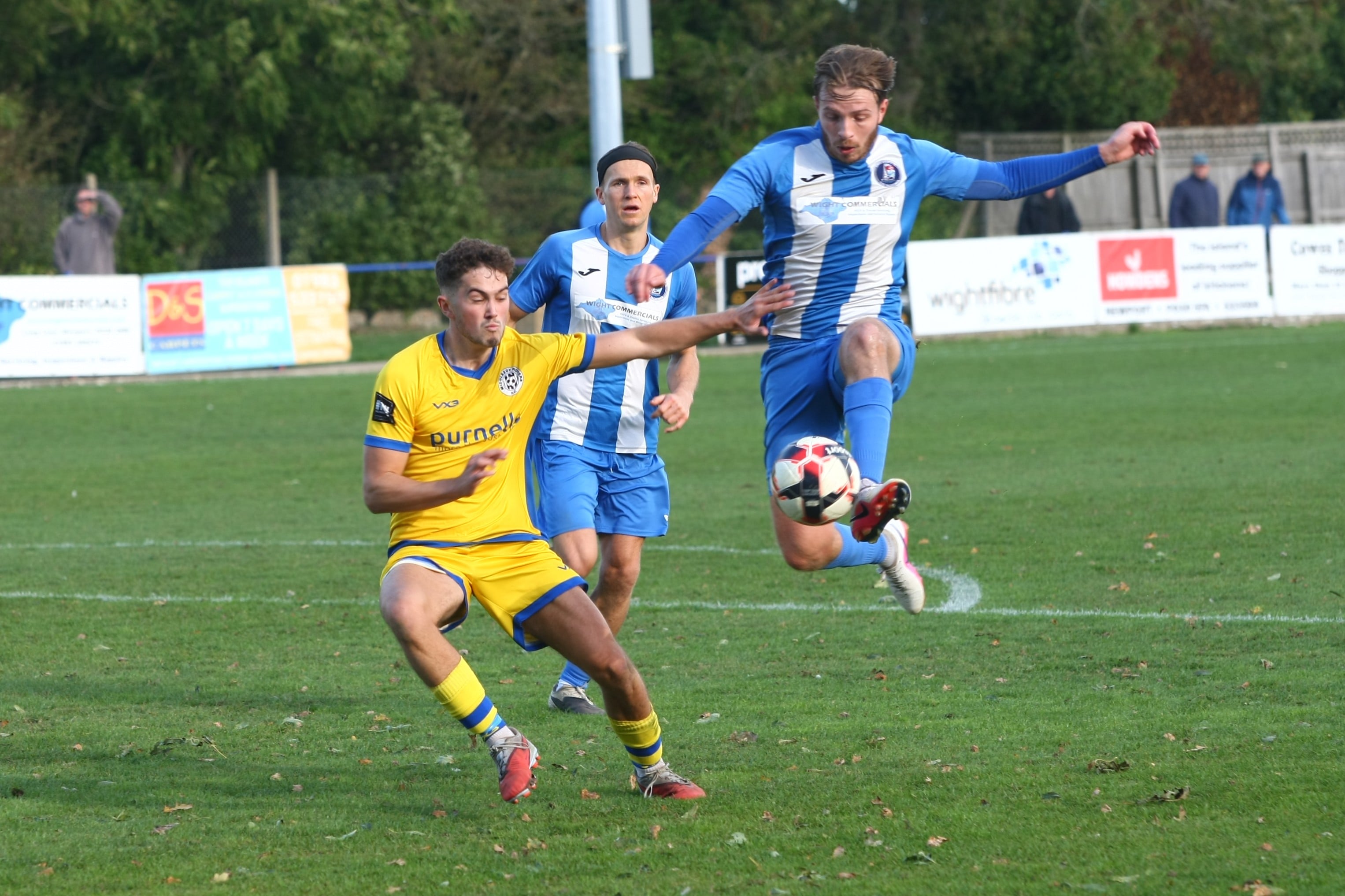
Island Echo has charted that pattern repeatedly in recent years. Events such as Ticket to Ryde’s weekend of free family entertainment and the Isle of Wight Literary Festival’s broader programme in Books, Jazz and Wine show that the island’s taste for shared live experience is not confined to one genre or demographic. It stretches from seafront music weekends to author events, food-and-drink programming and open-air seasonal gatherings.
That breadth is significant. It suggests island audiences are not simply turning out for the biggest names or one-off spectacles. They are supporting an entire culture of live participation, one that makes room for community festivals, visiting acts, specialist fairs and smaller local traditions alike.
Why ‘Live’ Still Carries Weight
Part of the answer, of course, is that live events offer something digital formats have never fully replaced. A performance, a crowd, a speaker or a band can shift tone in an instant. The mood of the room matters. The people around you matter. Even silence matters. There is a shared sense that the thing is happening now and will not happen in exactly the same way again.
That is also why some digital formats have moved closer to live interaction rather than further away from it. A good example on the online casino side is Luckynugget, where live casino formats bring real dealers and real-time play into the experience. It is, plainly, a very different category from festivals or local theatre, but the comparison is still useful: both tap into the appeal of immediacy, participation and the feeling that something is unfolding in the moment rather than simply being consumed on demand.
A Useful Sign for the Island’s Leisure Economy
For the Isle of Wight, that continued appetite is about more than enjoyment. It supports venues, traders, transport, town centres and the wider confidence that events can still draw people out in meaningful numbers. A healthy island events calendar does not just entertain; it helps stitch together the social and economic rhythms of the place.
That is why the current run of event announcements feels encouraging. It points to an island still willing to make time for gatherings that are social, local and shared, even in a culture where so much leisure can now happen privately and at home.
Conclusion
The Isle of Wight’s spring and early-summer programme is reinforcing something the island has shown for years: live experience still matters here. From community fairs to major festival announcements, the strongest events are those that give people a reason to turn up together and take part in something that feels present and communal. On the Isle of Wight, that appetite remains one of the clearest signs that local leisure culture is still very much alive.