








































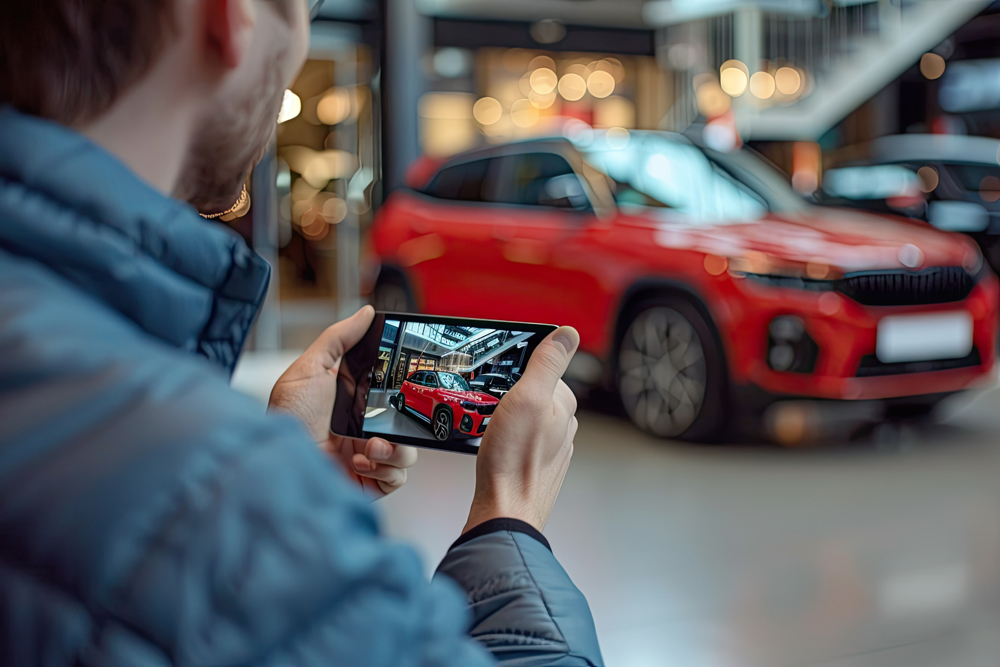
Today, many businesses leverage online commerce to boost their sales and enlarge client bases. The automotive industry is no exception. Like many other e-commerce platforms, auto dealership websites require high-quality imagery to maintain the business successfully.
Car dealership photography goes beyond mere aesthetics. Its main goal is to establish connection and trust, inspiring potential clients on a personal visit. High-end car dealership pictures represent your inventory in the best light, making it stand out in the competitive market. This approach will effectively boost your sales and engagement rates. This article provides essential recommendations to ensure you capture compelling, realistic, and eye-catching images. We will also discuss how to choose the best AI photo editing software to ensure that your photos always look perfect.
To make a lasting first impression, explore appealing options that enhance profile photos on your dealership’s website, ensuring your team and brand look professional and approachable.


How to Photograph Cars: Preparing the Scene
Start by selecting a perfect location. Outdoor shooting is preferable. Natural lighting, especially during golden hours, can significantly enhance your vehicle’s appeal. Consider the time of day to capture smooth lines and curves without harsh shadows. Too much direct sunlight can create harsh reflections, while poor lighting can obscure details, so balance is crucial. Remember that a car photo editor can enhance your photo, but it’s important to start with strong RAWs.
If shooting indoors, use a space that mimics natural lighting or invest in studio lighting equipment to highlight your item’s most prominent features. Reflectors and diffusers are especially helpful for challenging lighting conditions. These accessories can soften harsh sunlight or gently highlight the vehicle’s surfaces.
Avoid busy backgrounds. They can take the viewer’s attention away from the main subject. Every car should be washed and polished to perfection. Reflections from smudges or dirt will reduce the final image’s quality. Furthermore, these imperfections transmit the message of neglect to the potential clients.
Car Dealership Photography Tips: The Essential Equipment
A good camera is pivotal. DSLR and mirrorless models provide flexibility in manual adjustments. Familiarize yourself with basic camera settings like aperture and shutter speed to capture every detail and achieve flawless results.
A tripod is important for stability. Sharp and clear images are more appealing. Stabilizing tools let you achieve crisp and unblurry pictures even when experimenting with long exposures, which is common for this photography genre. Long exposures are inevitable in low-light conditions and indoor settings. If these are your cases, ensure the camera shake is prevented.

Consider using a polarizing filter to eliminate unwanted glare on reflective surfaces like windows and body panels.
Composition and Angles in Auto Photography
Cars often look their best when shot from specific angles. A popular option is the three-quarter angle. It is convenient for potential clients because they can see the vehicle’s front and side at once. It forms realistic expectations regarding the car’s design and shape. Similarly, shooting from a low angle can make the car appear more powerful. It adds dynamism and makes your pictures more aesthetically appealing and emotionally evoking.
Ensure the main subject is properly framed. Photos where the car is cut off or placed too close to the frame edge can feel cramped. There should be enough space around the vehicle. Aim for a balanced look without overloading the viewers.
Mind your main subject’s proportions. For exterior shots, focus on highlighting key elements. Showcase the grille, headlights, and wheels. Interior shots should emphasize the layout, materials, and unique features. Wide-angle lenses are great for interior shots. They will let you capture the entirety of the dashboard or seating area without distortion.
Editing Techniques for Auto Dealership Photos
After capturing the perfect shot, post-processing is crucial in refining and polishing your images. The AI photo editing software will enhance your shots’ overall appeal. Post-processing tricks can help you achieve professional-grade and polished visuals.
Focus on subtle adjustments like enhancing brightness, contrast, and color balance to make the car’s features stand out. Avoid over-editing and maintain a realistic look. Excessive editing misleads potential buyers. It can lead to clients’ disappointment and mistrust, ruining your business’s reputation.
One key tip is to correct any reflections or glare that may have appeared during the shoot. Use photo editing tools to smooth out the imperfections. Ensure your subject’s natural look remains intact. Use focusing tools to ensure the car is your image’s focal point. Remove and replace the background if it is too overloaded and distracting.
Crop your shot and reframe it for a balanced composition. Ensure the key selling points are properly emphasized. Additionally, retouch any visible blemishes on the surfaces to maintain your subject’s integrity.
Ensure your edited files are in high resolution. Keep in mind that the files should be optimized for the web. It means the images should not be too large; otherwise, they will slow down the website. Compress your image and prioritize a web-friendly format like JPEG to strike a balance.
Consistency across your images is very important. Uniform lighting, composition, and size can make your dealership’s online presence look more professional. Utilize batch processing in your car photo editor to achieve uniformity.
Name your image files with relevant keywords such as “sedan-front-angle” or “SUV-interior.” If potential customers seek specific transport models, the relevant keywords will help them discover your pictures quickly and easily. Group the photos logically, starting with exterior shots followed by interiors and any key details that will pique buyer interest. Each car should have a range of photos to show every feature clearly.
Conclusion
Mastering car dealership photography can significantly boost your sales. High-quality visuals elevate your dealership’s appeal in the crowded market. By carefully preparing the scene, using the right equipment, mastering composition, and refining your images with post-processing software, you can ensure your imagery stands out. Professional, well-composed photos will draw attention and build trust, leading to higher sales and customer satisfaction.