

































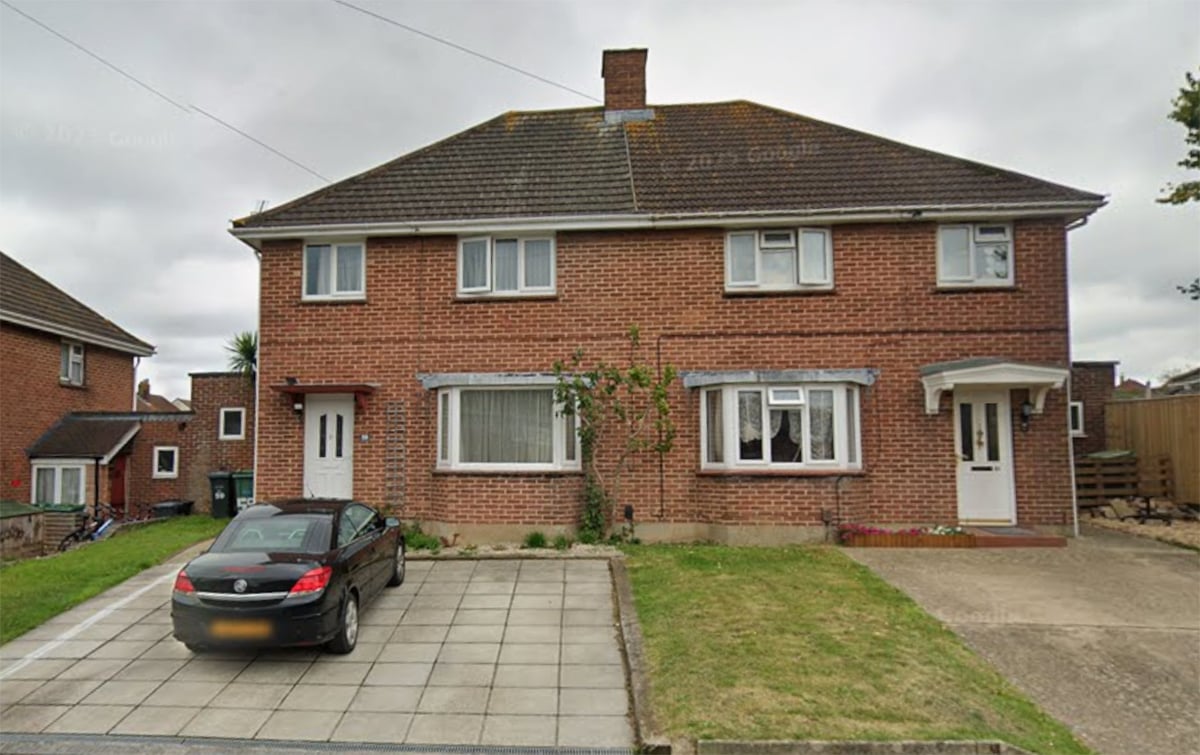

































When you start a new firm, you’re always searching for methods to save money. One typical method is to use your home address as your company address. However, there are several reasons why this is both impractical and risky.
There are situations when advertising your home address is a reasonable choice, but for the majority of businesses, doing so might make you look untrustworthy and unprofessional to consumers. At worst, it can result in privacy violations.
The good news is that there are options to get around this problem with a virtual office rental. So, what is at stake, and how can you safeguard yourself and your company?


What is privacy protection?
The importance of keeping your personal and professional lives distinct is sometimes neglected and undervalued when beginning a new business.
You are combining these two worlds when you list your personal home address as your company address. This might cause misunderstanding and an infringement of privacy. Customers arriving at your front door may jeopardize the privacy of your house and family.
The definition of privacy protection can vary, but it generally refers to protecting your information from those you don’t want to see, such as hackers, public websites, or government agencies.
5 steps to protect your home address
It is customary in business to provide your address to interested parties, clients, suppliers, and so on. If you register your business using your home address, you will be handing up your home address several times.
If you’ve already used your home address, it might be tough to totally safeguard it, but it’s never too late to start protecting your privacy and personal information. Here are five fundamental steps to get you started.

Virtual mailbox
A virtual mailbox service, for example, from Hoxton Mix, provides a permanent work address for receiving mail. After receiving the mail, the envelope is scanned and the image is transferred to the digital mailbox. You may then see specific items of mail and request that they be opened and scanned.
The main advantages of using a virtual mailbox are:
- Mail may be managed remotely.
- Organize all of your mail.
- Maintain a fixed address even if your company relocates.
- Email alerts in real-time.
- Mail submission over the internet.
- Opening and scanning incoming mail.
- Forwarding of mail.
- Packet forwarding.
- Mail shredding, mail recycling, and mail recycling are all options.
- Packaging storage and distribution.
- Examine the deposit.
If you operate in a remote firm or travel regularly, a virtual mailbox is a flexible work address alternative. It enables you to handle your mail and shipments from anywhere and at any time.
Virtual office
Another way to preserve your privacy is to use a virtual workplace. Virtual offices provide many of the benefits and features of traditional office space while eliminating the overhead and cost of leasing. They’re also an excellent approach to safeguarding your personal information and keeping your personal and professional life distinct.
Some of the advantages of using a virtual office include:
- Reception and forwarding of mail.
- Virtual office spaces.
- Virtual conference rooms.
- Because you may utilise a mail delivery service with virtual offices, you don’t have to reveal your personal address for business purposes, safeguarding your home and family’s privacy.
Using a separate company address
It is critical that you do not include your home address on any official company paperwork. Always utilize the separate work address you select.
Most of the time, you must indicate an address of some type for record keeping, commercial transactions, and a variety of work-related tasks. Addresses registered as being affiliated with a corporation or LLC are publicly viewable on the Internet, making them vulnerable to everything from junk mail to scams.
So be sure that the address you pick, whether it’s a virtual office or a virtual mailbox, is one affiliated with your firm and not your home address.
Removal of home address from any corporate documents
When filling out business-related paperwork, be sure your home address is not included.
It is critical to note that if you use your home address for commercial purposes, it will become public knowledge. Even using it once will result in it being listed on public state websites. This exposes you to a large amount of unsolicited mail (junk mail) or, worse, physical visits or interactions from dissatisfied clients.
It may be simpler and less expensive to use your home address for your business in the short term, but establishing a separate work address can save you time and money in the long run, making you and your business seem more professional and, most importantly, protecting your privacy.
Separate your personal and business finances for tax purposes
It is better to accomplish this early on in order to put your company up for success. Some banks and financial institutions will accept a home address, although this is not recommended. The goal of maintaining your privacy is to utilise as few or no home addresses as possible. This implies that when you create a corporate bank account, your ability to avoid the usage of your personal information is limited. A business office is another alternative, although it is costly.
The best solution to protect the privacy of your home address
It is critical to keep your home address separate from your company or job address, as this will protect you from little inconveniences such as junk mail to more serious breaches such as stalking and identity theft. Fortunately, there are several choices available to assist you to retain your privacy while still reaping the benefits of a real company location.
Virtual mailboxes provide a mail receiving service as well as the ability to store all types of mail in one location. Furthermore, such services provide a straightforward alternative for receiving mail and parcels while maintaining the security provided by the post office. However, virtual offices now provide the same range of operations provided by real office space, but without the administrative costs associated with rent.
Choosing one of these alternatives, in conjunction with the procedures indicated above to preserve your privacy, can assist guarantee that your business can run successfully without jeopardising the protection of your information.