


















































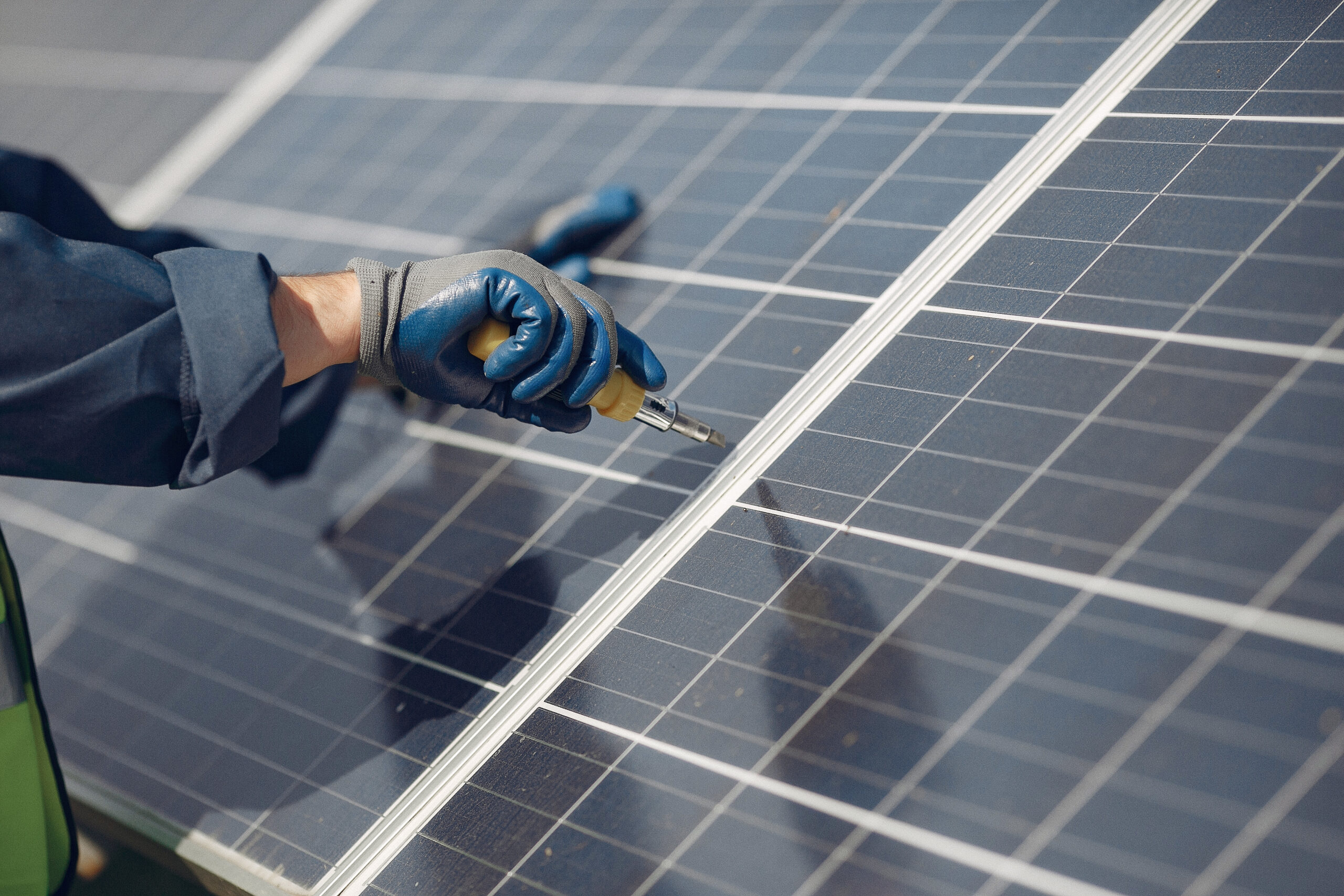

Whether you’re looking for ways to cut back on energy for the betterment of the environment or to lower your home costs (or both), you’re likely to find that installing a solar energy system will be worthwhile. Exploring reputable solar installation services can help you make the most of this sustainable and cost-effective energy solution.
It’s always a good idea to make sure that the panels you’re buying are going to be a smart purchase in the long run – and with this in mind, you need to know what features to look out for. Otherwise, you may risk buying and setting up a system that just isn’t right for you.
How to choose the best solar panels for your home
If you want the best solar panels for home purposes, you may just find that there are quite a few options available to you. There will be several things to consider when making the right decision, so it might be worth keeping the following points in mind:


- The efficiency of the solar panel
- The cost that comes with said efficiency
- The panels’ ability to withstand harsh weather
- The warranty that the solar panel comes with
Efficiency
When it comes to efficiency, you’ll find that the industry average is usually 16-18%. While you may find higher or lower, this is typically considered to be the sweet spot. If you opt to go even a little below this, you run the risk of lowering the functionality of your panels – and anything less than optimum simply won’t be a good investment.
Cost
Typically speaking, the higher the efficiency, the higher the cost. If you’ve got a budget to work with or your needs are minimal won’t require a lot of output, it may be best to go for a panel that has a balance between the two. Fortunately, there are many brands out there with solar panels that are efficient for a good price, so this shouldn’t be too much of a concern.
Durability
While this may not be an issue for everybody, those who experience harsher weather conditions will want to ensure that they invest in a solar energy system that can withstand the elements. Most panels are made to be fairly durable, but there will be certain areas and climates that can degrade solar panels quicker than others, making longevity a worthwhile consideration.
Warranty
Last but not least, whether you buy one small solar panel or a whole system for your home, you’ll need a warranty you can rely on should anything go wrong. Most good manufacturers offer warranties between 10 and 25 years, and if you have any mitigating circumstances (like harsh weather conditions, for example) a longer agreement may be more important for you.