




























































While small and medium-sized enterprises (SMEs) are at the heart of the local economy, many still rely on outdated software systems that hinder efficiency and growth. By embracing software modernisation, they can improve customer service, ensure data security, and drive sustainable success.
Challenges of Outdated Software
Many local businesses on the Isle of Wight, particularly in sectors like tourism, retail, and hospitality, face challenges due to legacy software systems they use. These outdated systems are often slow, prone to errors, and lack the ability to integrate with newer technologies. For example, businesses that rely on manual data entry or paper-based processes are more likely to experience inefficiencies, delayed customer responses, and higher operational costs.
A study by UST found that around 33% of UK businesses still depend on legacy software, which can lead to increased downtime, security vulnerabilities, and a lack of scalability. On a local scale, businesses that fail to modernise risk falling behind competitors who have adopted more agile, cloud-based solutions.


Benefits of Upgrading Outdated Software
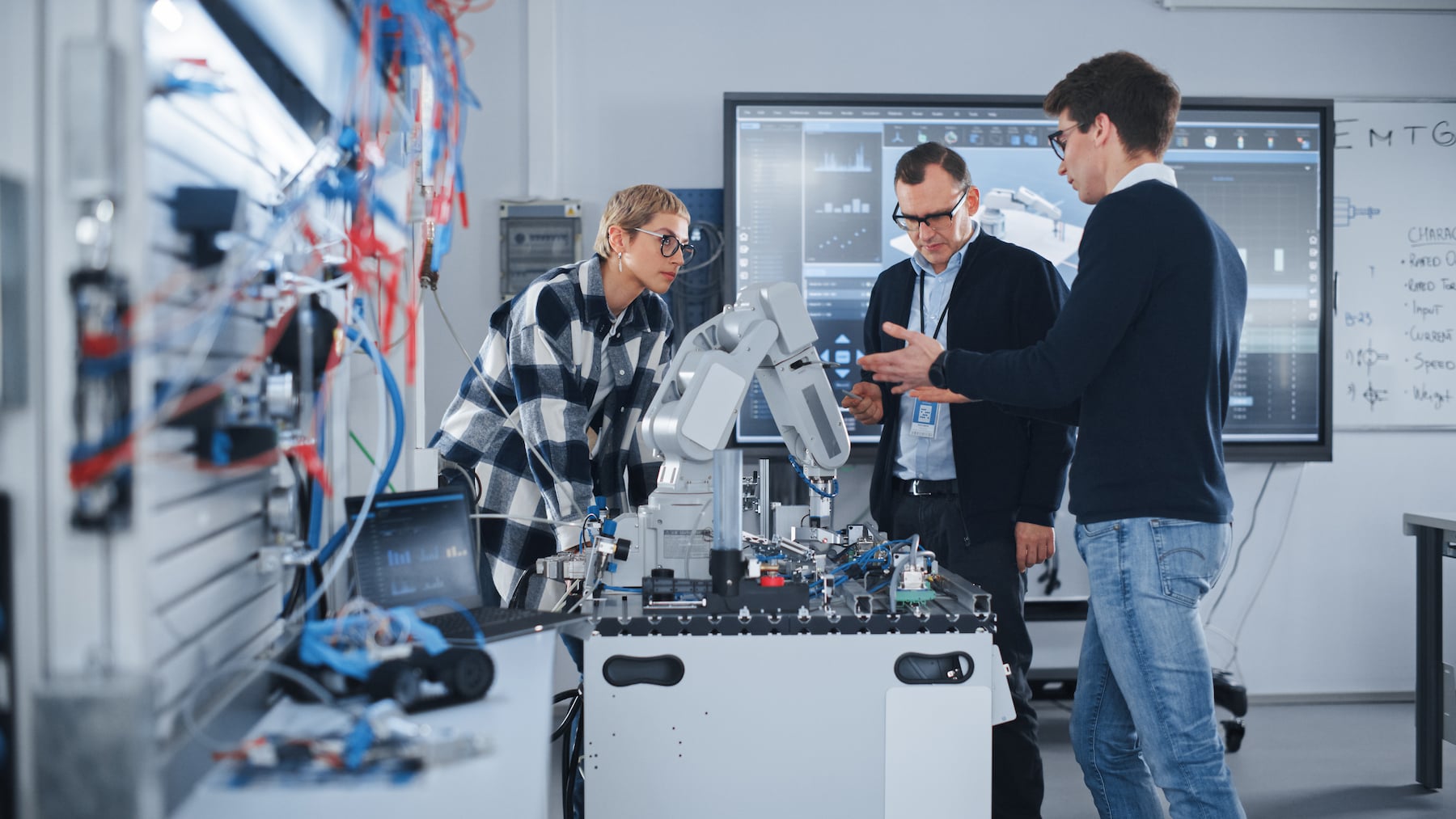
Software modernisation brings numerous advantages for businesses of all sizes. By moving to cloud-based platforms and integrating advanced tools, businesses can enhance efficiency, improve decision-making, and stay competitive in an increasingly digital marketplace.
- Improved Customer Service: Modern software solutions allow businesses to provide seamless customer experiences. For example, digital booking systems in the hospitality industry enable faster, more accurate reservations, while CRM (Customer Relationship Management) tools help businesses track and manage customer interactions effectively.
- Enhanced Security: Legacy software is often more vulnerable to cyberattacks due to outdated security protocols. Modern systems, however, come with robust security features such as encryption, two-factor authentication, and regular updates, ensuring that sensitive customer data is protected.
- Scalability and Growth: Modern software allows businesses to scale their operations without major disruptions. For instance, as the Isle of Wight’s tourism sector expands, cloud-based solutions can accommodate increased demand without the need for physical infrastructure upgrades
Examples of Successful Software Modernization
Several businesses on the Isle of Wight have already embraced digital transformation, with positive results. CM System Designs, for example, developed a custom business management system for PizzaExpress, automating the complex task of booking and managing live entertainment across multiple venues. This modernisation not only reduced errors but also saved time and improved the overall efficiency of the business.
Additionally, WightFibre’s ongoing rollout of full-fibre broadband across the island is paving the way for more businesses to adopt digital solutions. The improved connectivity will allow local businesses in tourism, retail, and other sectors to benefit from cloud migration, real-time analytics, and AI-driven features.
Software Modernisation: A Key to Thriving in the Digital Age
For SMEs on the Isle of Wight, software modernisation is no longer optional—it’s essential. Businesses that invest in upgrading their systems will not only enhance operational efficiency but also future-proof themselves against evolving market demands. By adopting the latest digital tools, they can improve customer satisfaction, secure their data, and stay competitive in a rapidly changing world.