








































 VIDEO: The Marine Accident Investigation Branch (MAIB) has today (Thursday) published a report into the investigation of the listing, flooding and grounding of the Hoegh Osaka on the Bramble Bank in the Solent last year, as first reported in January 2015 by Island Echo.
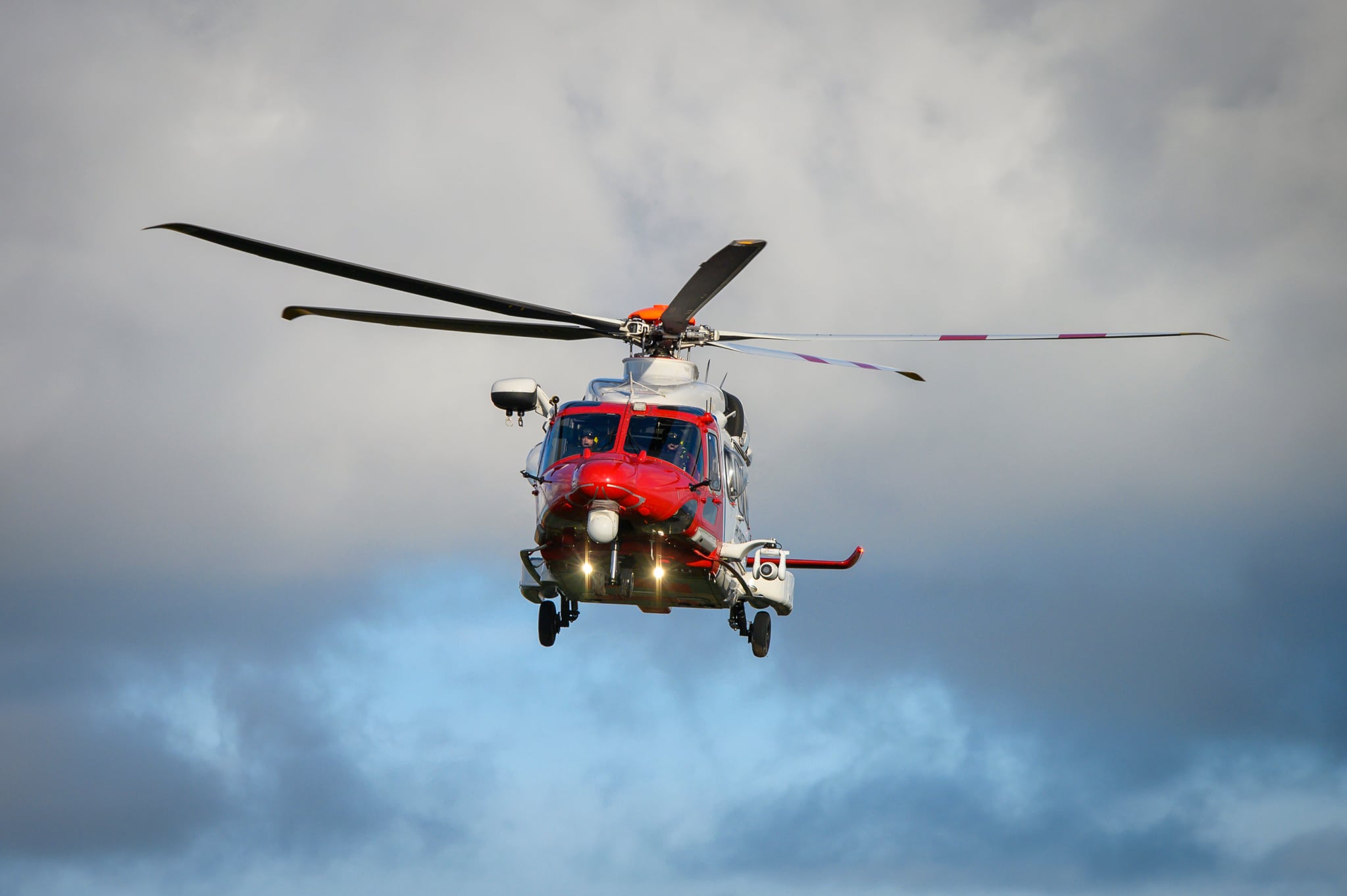
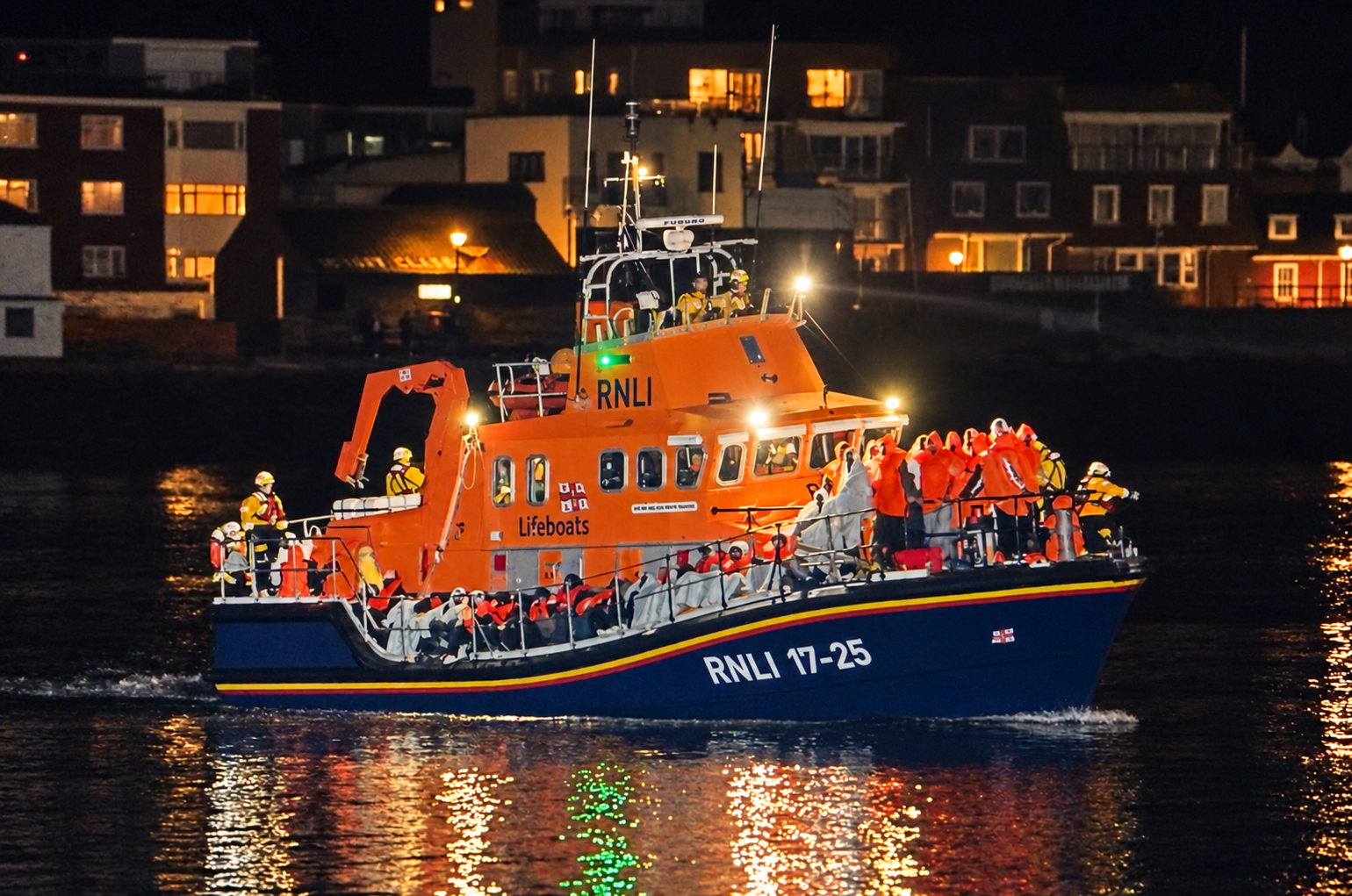
At 21:09 on 3rd January 2015, the pure car and truck carrier Hoegh Osaka was rounding West Bramble buoy off Cowes when it developed a significant starboard list causing some cargo shift and consequent flooding. With the list in excess of 40°, the ship lost steerage and propulsion, and subsequently drifted onto Bramble Bank, grounding at 21:15. The grounding led to the evacuation of 24 crew, who were rescued by lifeboats and the Coastguard Rescue Helicopter from Lee-on-Solent.
The report by the MAIB explains how stability modelling and analysis following the accident show that Hoegh Osaka heeled heavily to starboard while turning as a result of having departed Southampton Port with inadequate stability. Cargo distribution was such that the upper vehicle decks were full while the lower vehicle decks were lightly loaded. The Hoegh Osaka was low on bunker fuel oil, which was stored low down in the ship. With no additional ballast having been loaded prior to departure, the ship’s overall centre of gravity was relatively high. The analysis also concluded that it was most likely that the cargo shifted due to the ship’s excessive list and was not causal to the accident.

Hoegh Osaka’s itinerary had changed from its routine loading rotation between three north-west European ports. The actual cargo weight and stowage were significantly different from the final cargo tally supplied to the ship. Ballast tank quantities were estimated on board and differed significantly from actual tank levels. Cargo unit vertical centres of gravity were routinely not allowed for in the ship’s calculated stability condition. These factors all combined to result in the ship leaving Southampton with insufficient stability for the voyage.

A key finding of the MAIB investigation is that no departure stability calculation had been carried out on completion of cargo operations and before Hoegh Osaka sailed. Witness and anecdotal evidence suggests that this practice extends to the car carrier sector in general. The fundamental requirements for establishing before departure that a ship has a suitable margin of stability for the intended voyage had been eroded on board Hoegh Osaka such that unsafe practices had become the norm.
The owner and manager of Hoegh Osaka have taken a number of actions aimed at preventing a recurrence, and the MAIB has made recommendations to both to further enhance their respective instructions and procedures.
Hoegh Autoliners Shipping Pte have issued a fleet circular letter to all Hoegh-operated vessels reinforcing the importance of adherence to procedures already contained within its operation manuals; standardised and upgraded the stability program provided on all Hoegh-operated vessels and have enhanced its mandatory seminar/meetings with the masters and chief officers of Hoegh-operated vessels to include sessions on stability and cargo management.

A full list of actions and recommendations can be found at https://www.gov.uk/government/organisations/marine-accident-investigation-branch.
Steve Clinch, Chief Inspector of Marine Accidents has today said:
“The MAIB’s investigation found that Hoegh Osaka’s stability did not meet the minimum international requirements for ships proceeding to sea. The cargo loading plan had not been adjusted for a change to the ship’s usual journey pattern and the number of vehicles due to be loaded according to the pre stowage plan was significantly different from than that of the final tally. The estimated weight of cargo was also less than the actual weight. Crucially, the assumed distribution of ballast on board, bore no resemblance to reality, which resulted in the ship leaving Southampton with a higher centre of gravity than normal.
“This accident is a stark reminder of what can happen when shortcuts are taken in the interest of expediency. It is therefore imperative that working practices adopted by the car carrier industry ensure that there is always sufficient time and that accurate data is available on completion of cargo operations to enable the stability of such vessels to be properly calculated before departure.”