



















































A food truck can start as a weekend hobby and turn into a full-time business faster than almost any other catering format. It also has a habit of swallowing money: a cheap van with a tired kitchen, unsafe gas work or no extraction can cost more in repairs and compliance than a well-chosen unit costs upfront. The difference is usually in what the buyer checks before handing over the cash.
Start with the business model, not the van
The right truck depends on where you plan to trade.
- Festivals and events need volume: large prep space, high output equipment, generous storage and a robust power supply.
- Street trading and high streets need compact dimensions, easy service from one side, and quick setup and pack-down.
- Weddings and private hire reward presentation, lighting and a clean, attractive finish.
- Rural pitches and farm shops often favour simpler menus, lower power demand and better ground clearance.
A unit built for festival volume is usually a poor fit for a narrow high-street pitch, and vice versa. Decide the route before you fall for a listing.
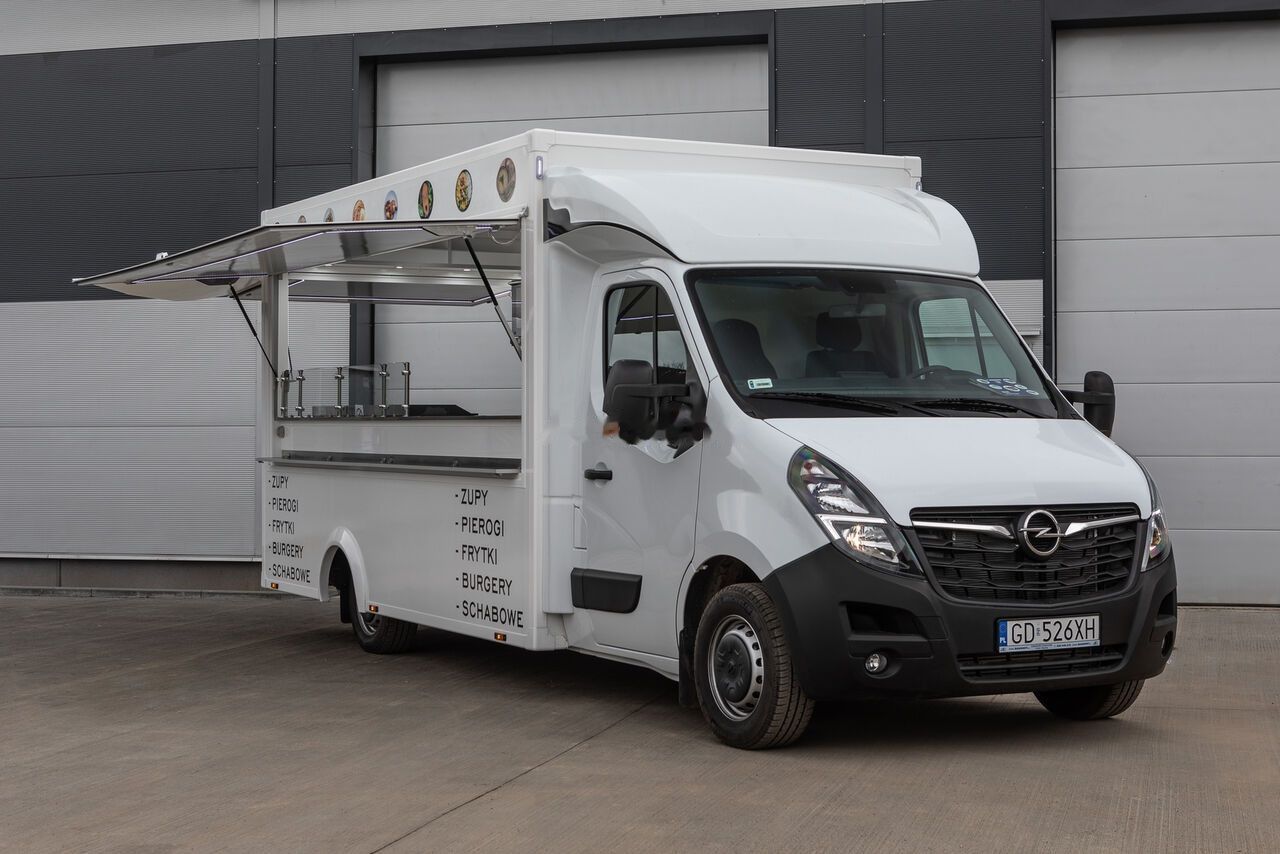


Van or trailer — and what the conversion includes
- Van conversions are self-propelled, easier to park and quicker to move, but engine, clutch and bodywork become part of your maintenance bill.
- Trailers can offer more usable floor area, but need a suitable tow vehicle, towing licence entitlement and somewhere to store them.
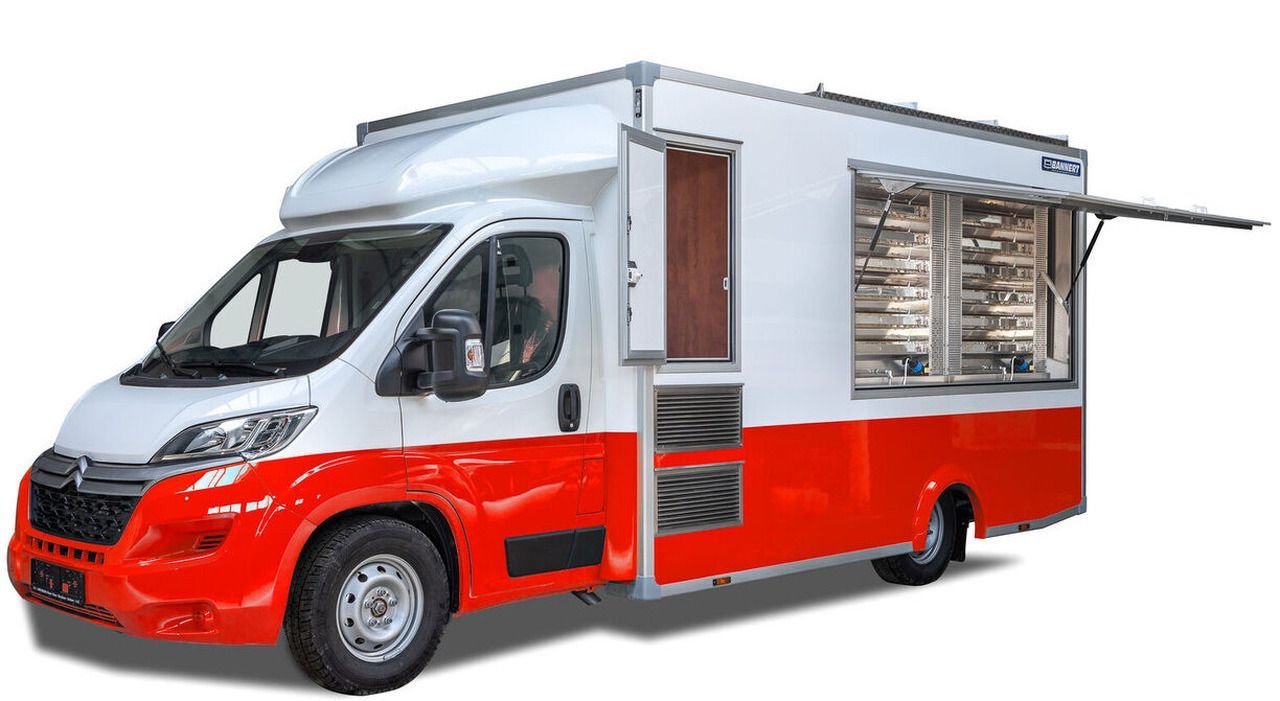
- Purpose-built catering vans often have better extraction and gas layouts, but may be heavier and less economical.
- Part-converted units can be a bargain if the base work is sound — and a trap if the electrics, gas and ventilation were done informally.
Ask for the conversion details, not just photos: who did the work, when, and to what standard.
The mechanical check
If the unit drives, treat it like any used van purchase.
- MOT history and mileage — check the MOT record online rather than relying on the seller.
- Service records and cambelt or chain history.
- Clutch, gearbox and suspension — a loaded catering van works harder than a delivery van.
- Tyres, brakes and rust — especially around sills, wheel arches and the roof.
- Payload — see the dedicated section below; it is the specification most buyers overlook.
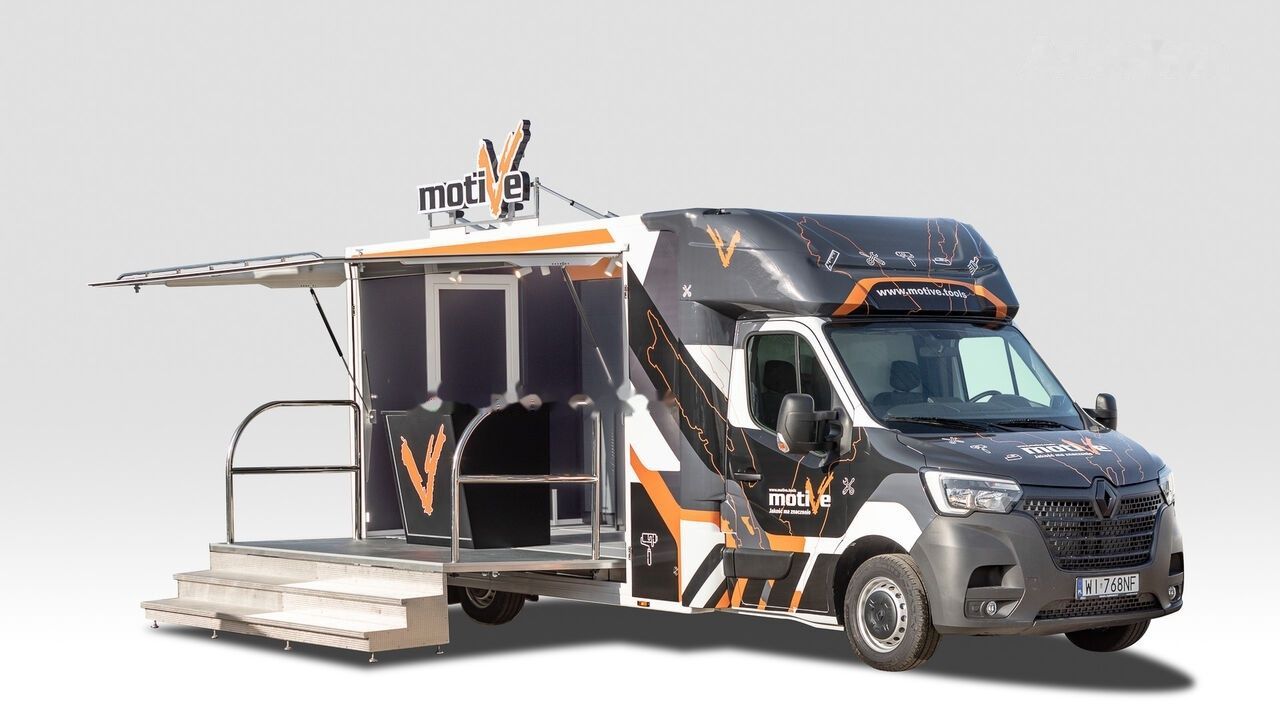
How to calculate payload before buying
This is the number that quietly decides whether a van is legal and safe once it is working.
- Start with the gross vehicle weight (GVW) and subtract the kerb weight — the result is the payload published for the base vehicle.
- Add up the conversion and equipment: kitchen units, fridges, fryers, ovens, extraction, generator, batteries, water tanks and gas bottles.
- Add consumables: water (1 litre weighs 1 kg, so a 100-litre tank is 100 kg), LPG, stock and packaging.
- Add people: driver plus staff, with their kit.
- Check the axle loads, not just the total — a rear-heavy layout can exceed the rear axle limit while staying under GVW.
- Weigh the finished vehicle at a public weighbridge before you trade, and keep the ticket.
On a 3.5-tonne catering van, water, LPG, equipment, stock and staff can consume most of the available payload very quickly. Conversions that look modest on paper often leave very little margin, and exceeding the limit affects braking, handling, insurance and legality.

The catering systems check
This is where most hidden costs live.
- Gas installation. Ask for documentation and check the age and condition of hoses, regulators and isolation valves.
- Extraction and ventilation. A weak canopy or undersized fan means grease, smells and failed inspections.
- Electrical system. Confirm the power demand of fridges, fryers and ovens against the supply, battery bank and inverter.
- Water and waste. Fresh and waste tanks, pump, sink and drainage must meet hygiene requirements.
- Refrigeration. Check temperature recovery on a warm day, not just that the unit switches on.
- Fire safety. Extinguishers, fire blanket and a suppression system where required.
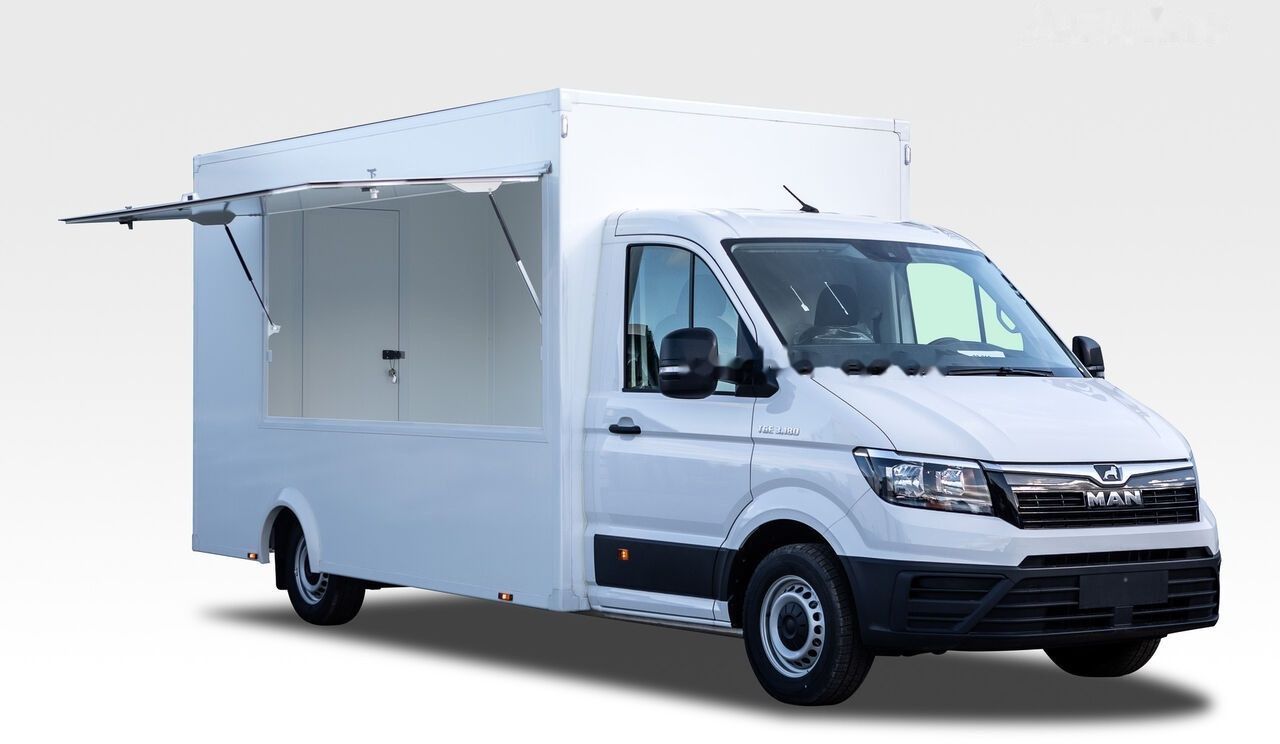
Power requirements: generator, mains or battery and inverter
Power is the specification that most often disappoints first-time buyers, because it is assessed per appliance rather than per truck.
- Mains hook-up is cheapest to run where a pitch provides it, but ties you to that pitch and requires a suitable supply, cable and consumer unit.
- Generator gives independence and high output, but adds weight, noise, fuel storage and maintenance — and some events restrict or ban generators.
- Battery and inverter is quiet and clean, but limited by battery capacity, recharge time and the surge demand of motors and compressors.
- Hybrid setups combine a small generator or alternator with batteries to cover peaks without running the generator constantly.
The critical calculation is simultaneous load: add the running watts of everything you will use at the same time, then add start-up surge for compressors and motors, which can be several times the running figure. A setup that runs a fridge alone may fail with the fridge, fryer, extraction and lights on together.
Compliance before you trade
Rules vary by council, but the essentials are consistent across the UK.
- Register as a food business with the local authority. In England, Wales and Northern Ireland, registration must be submitted at least 28 days before you start trading.
- Food hygiene arrangements — the required training and documentation depend on the local authority and the type of operation, so confirm the specifics with your council.
- Gas and electrical safety — requirements depend on the local authority and the equipment installed; some councils require Gas Safe and electrical certificates for street trading.
- Insurance — vehicle, public liability and, where staff are employed, employer’s liability.
- Pitch permission — street trading consent, event contract or private land agreement.
- Waste contracts for used oil and refuse.
Budget for these before you buy, not after. A unit that fails an inspection is not earning.
Where to look, and how to compare
Listings now span local classifieds, dealer stock and cross-border marketplaces. Comparing the same class of unit across several sources is the quickest way to learn what a fair price looks like.
- Local classifieds — good for viewing quickly, but limited choice and variable documentation.
- Specialist dealers — often more expensive, though frequently offered with preparation and some form of warranty.
- Auctions — useful for price discovery; inspection time may be limited and units are often sold as seen.
- European marketplaces — wider choice of food truck units and catering vehicles, but transport, import and registration costs must be added.
Platforms such as Truck1 aggregate listings from multiple countries, which helps when you want to compare specification and price rather than accept the first local option. Always convert the total cost — purchase, transport, VAT treatment, conversion work and compliance — before deciding.
Questions to ask the seller
- How long has the unit been trading, and why is it being sold?
- Can I see the gas and electrical documentation?
- What is the power setup, and what does it run simultaneously?
- What is the water tank capacity, and how is waste handled?
- Has the van had any accident damage or major engine work?
- What is included — equipment, signage, stock, pitch contracts?
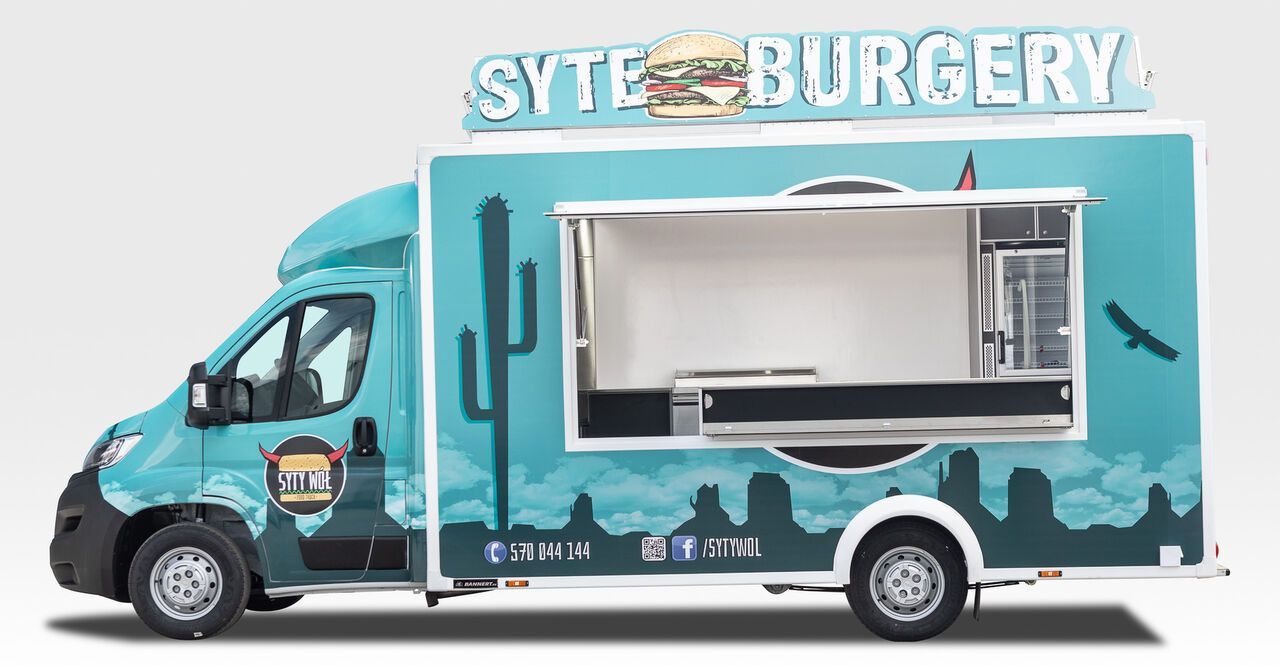
The test that matters
View the unit in daylight, ideally while it is set up and running.
- Start equipment one by one and watch for tripping or voltage drop.
- Run the extraction and check airflow at the canopy.
- Test hot water, refrigeration and fryers under load.
- Smell for gas and look for grease build-up behind panels.
- Take a mechanic and, if possible, a caterer who has run a truck.
What good value looks like
The best used food truck is rarely the cheapest or the best-looking. It is the one whose base vehicle is sound, whose conversion was done properly, whose payload and power figures add up, and whose equipment matches the menu you actually plan to sell. Buy on documentation and systems, negotiate on specific faults, and price compliance into the deal from the start.