










































Isle of Wight Council planning officers have been praised for their decision- making, after almost 80% of their rulings were upheld by the Planning Inspectorate.
However, one overturned decision cost the council more than £7,000.
Latest figures from the council show that of the 42 decisions presided over by the Planning Inspectorate in 2020/21, only nine (21.4%) were overturned by the higher authority.


When the local planning authority makes a decision on planning permission, listed building consent, prior approval of permitted development rights, or enforcement, there is a right to appeal against the decision.
The Planning Inspectorate will decide on applications referred to them on behalf of the Secretary of State. The planning authority’s performance is monitored against the refusal of planning permission and listed building consent and eight of 32 appeals were allowed, equating to 25%.
6 out of 7 appeals relating to enforcement notices were rejected but the seventh saw the council’s decision overturned and meant the authority had to pay the landowner’s costs of £7,238.40.
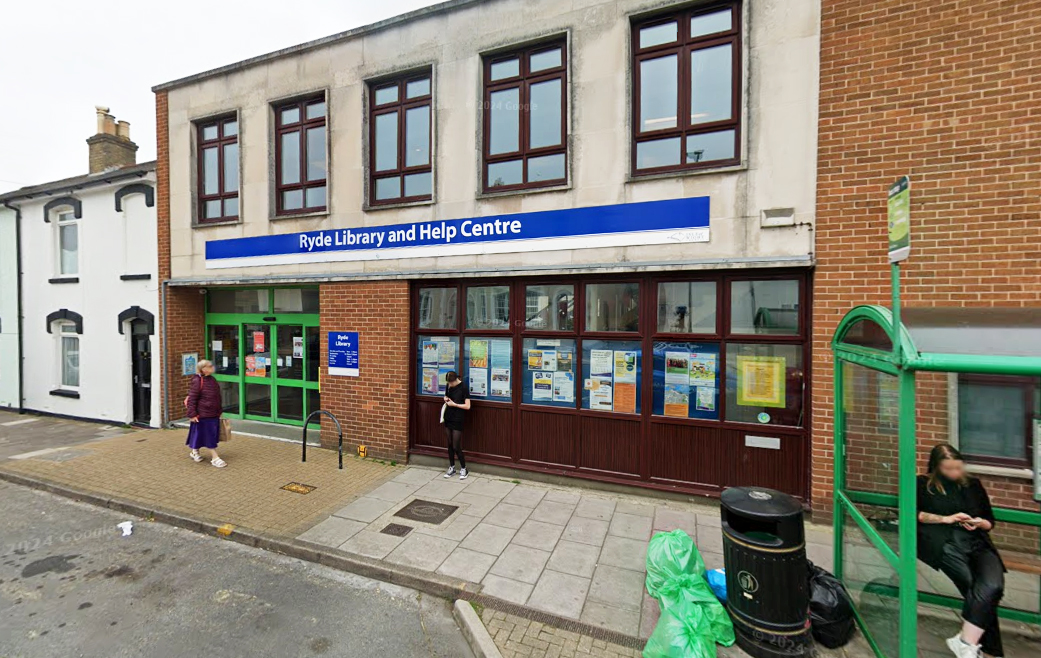
It was in relation to the residential use of land in Ryde that was thought to be unlawful so an enforcement notice was issued.
The enforcement notice was appealed to the council during which time the residential use had become lawful but the council advised a lawful development certificate be applied for resulting in a three-week delay.

During those three weeks, the application submitted the appeal to the Planning Inspectorate who considered the delay was ‘unreasonable behaviour’ and awarded the costs against the council.
A report prepared on the statistics, by the planning service, said the council performs strongly at appeals.
Speaking at the planning committee meeting earlier this week, Cllr Chris Quirk said:
“Appeals don’t win themselves and a lot of officer effort that goes into supporting those appeals. I thank the officers involved in the process.”
Cllr Geoff Brodie said:
“We want to see the decisions that we have made are sustainable with the planning appeals service.”
None of the decisions called before the watchdog were made by the council’s planning committee.
Cllr Paul Fuller, the cabinet member for planning and housing, said he was pleased to see the council was strong in comparison to other planning authorities but had concerns about the delay of decisions coming from the Planning Inspectorate.
During a different timeframe, between October 2017 to September 2019, the council determined 65 major applications, of these 4 were appealed and two decisions overturned – equating to 3.1%.
It is above the national average of 2.1% and places the council 271st out of 343 local planning authorities, with the quality of its major development decisions.
Of non-major applications, 2,119 decisions were made in the two-year period and 70 decisions were appealed to the watchdog.
Of those 70, 14 were overturned, equating to 0.7% of decisions and below the national average of 1.1%, ranking the council at 112th of all planning authorities.
Decisions from the Planning Inspectorate have been delayed, officers say, due to the Covid pandemic. An inability for inspectors to visit sites and process appeals created a backlog.
The number of appeals lodged with the Planning Inspectorate in 2020/21 was 58, higher than the previous 5-year average of 48.









How are inspector’s for the inspectorate selected, and why does it cost the council to appeal? and if they win do the developers pay the councils costs?
I believe that Planning Officers have a very difficult job where you are sometimes damned if you do and damned if you don’t. I don’t understand applications being approved when there are residents objections. After all, the IW Council, which includes Planning Officers as well as Councillors, should be protecting residents and their environment.
Case in point:
Tapnell Farm applied for five plastic looking domes surrounded by mature trees which was refused. But there they are – five plastic looking domes with adjoining sheds in a middle of an empty field, on a ridge, surrounded by the AONB in the important dark skies area.
What more would you expect from The last council leader
Shouldn’t this read Isle of wight planners praised by Isle of wight planners? If you read the story its just them and the member for planning commenting on themselves.