




























Ryde’s historic Vectis Hall has been sold at auction for a second time in a matter of weeks, fetching £43,500 after Ryde Town Council disposed of the building for just £30,150 – despite spending more than £175,000 of taxpayers’ money on the property.
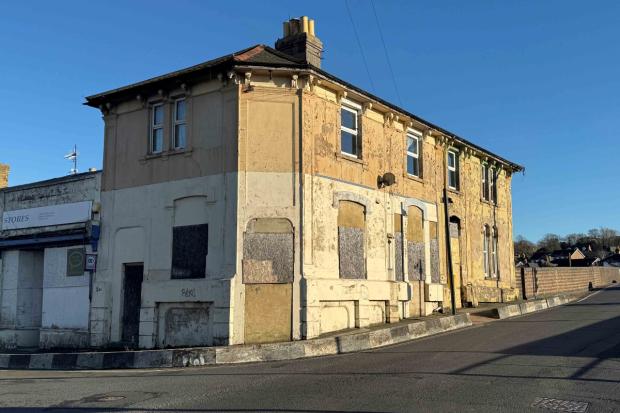
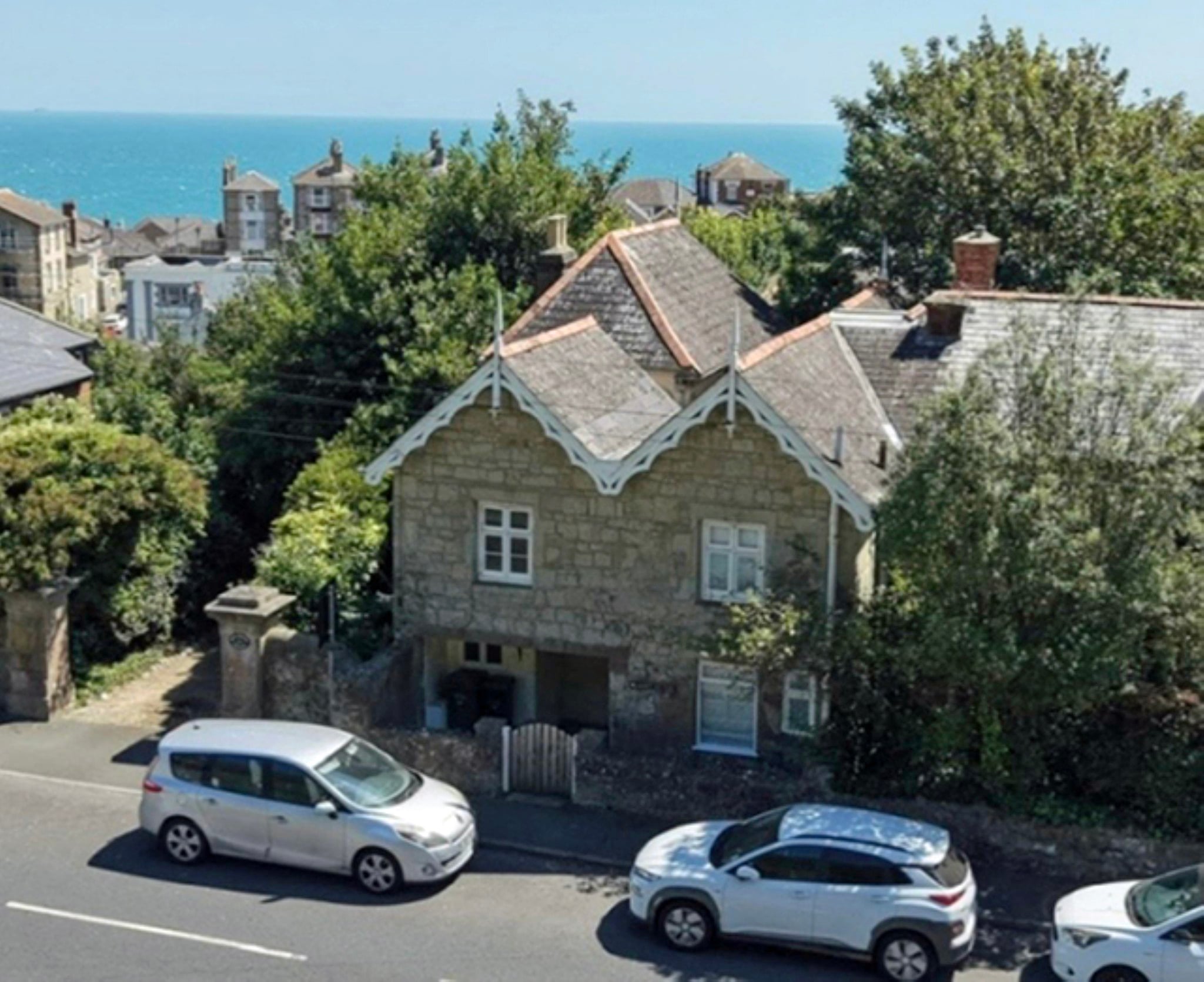
The Grade II listed building on Melville Street, which once featured in a film starring Ringo Starr and David Essex, has changed hands again after being marketed through auctioneers Barnard Marcus.
The latest sale represents a £13,350 increase on the price achieved when the building was sold by Ryde Town Council at the end of September.


As previously reported by Island Echo, the Town Council purchased Vectis Hall for £125,000 in 2020, with ambitions of restoring the historic building to its former glory and bringing it back into community use.
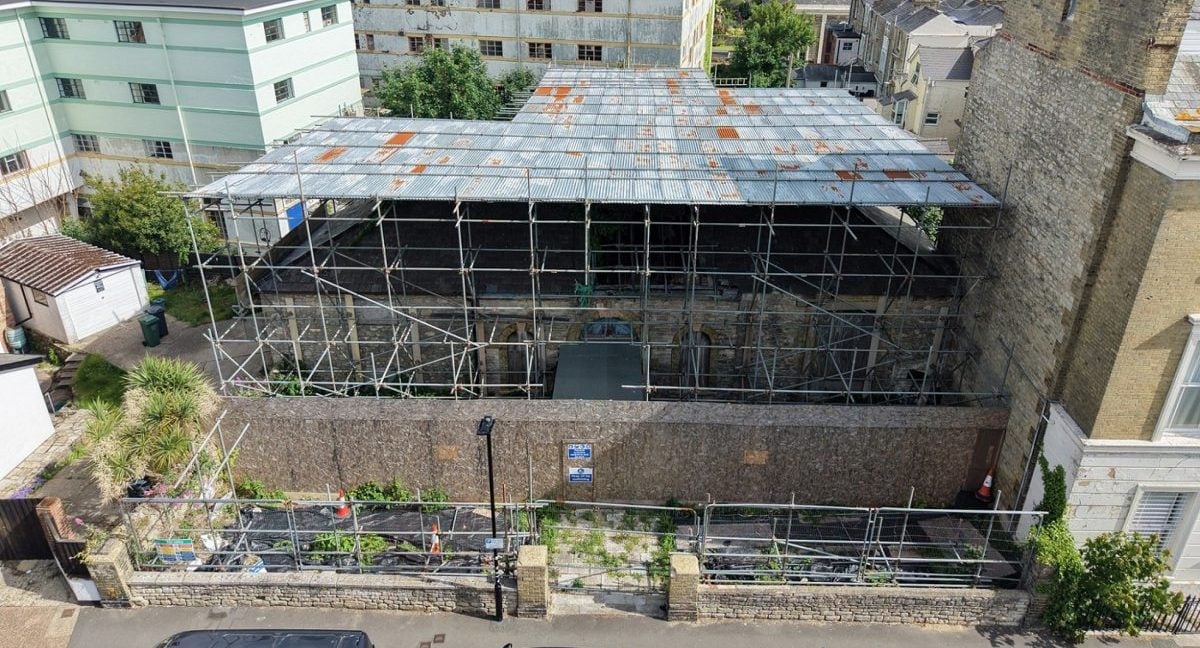
However, those plans never materialised and the condition of the property continued to deteriorate.
When the building finally went under the hammer in September, it attracted an extraordinary 297 bids before selling for just £30,150 – a staggering £94,850 less than the Council had originally paid.
Island Echo previously revealed that, on top of the original purchase price, at least £52,000 of further taxpayers’ money had been spent on Vectis Hall since April 2023 alone.
This included more than £30,000 associated with scaffolding and clearance works, as well as payments for asbestos removal, structural assessments, planning consultancy and Public Works Loan Board repayments.

Records showed that £23,240 had been paid for scaffolding and other works, with a further £7,145 spent on scaffolding and clearance. Other payments included £1,231 for asbestos removal, £900 for a structural assessment and £5,475 for planning-related services.
With borrowing and other associated costs taken into account, Island Echo previously estimated that total public expenditure linked to Vectis Hall could have been approaching £200,000.
The Town Council had also budgeted up to £40,000 for repairs during the current financial year, alongside ongoing insurance, security and loan costs.
Planning documents submitted in 2024 revealed that part of the building had already collapsed internally, with engineers warning of an ‘imminent’ risk of further collapse.
Listed building consent was subsequently granted for the demolition of an unstable wall following concerns about severe movement in the masonry.
The Town Council had initially intended to auction the property in June, but the sale was postponed before it eventually went under the hammer in September with no reserve price.
Reacting to that sale, Ryde Mayor Karen Lucioni said:
“We are delighted that somebody has stepped forward to give Vectis Hall a future.
“It was important that Ryde Town Council (RTC) removed it as a liability from our portfolio and now we trust that the new owners will be able to secure the type of funding that we were unable to source.”
However, just weeks after those comments, the new owners have themselves sold the historic property.
Ryde Town Council had previously pointed to a lack of large-scale grant funding following the COVID-19 pandemic and the continuing costs of maintaining the deteriorating building as reasons for disposing of it.
Town Clerk Lisa Dyer had also expressed concerns about Vectis Hall becoming a liability, previously describing it as probably one of the things that ‘keeps me awake at night’.
Built in 1812, Vectis Hall was originally Ryde’s first free school and later served as a community hall.
It also has a place in British film history, having been used for dance scenes in the 1973 film That’ll Be the Day, starring Ringo Starr and David Essex.
Despite its historic significance, the building has remained boarded up and in a deteriorating condition in recent years.
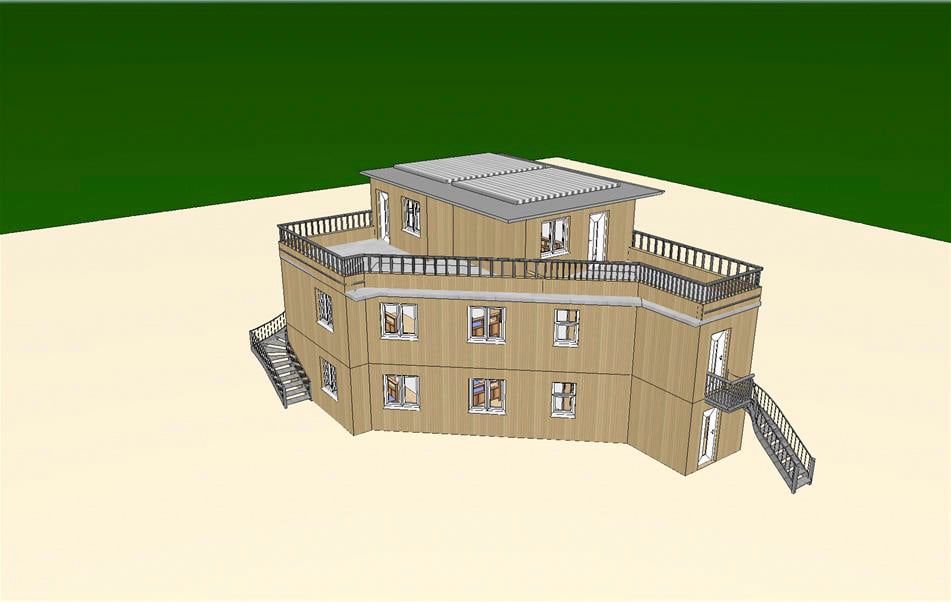
Auctioneers Barnard Marcus have suggested that the site could offer development potential, subject to the necessary consents.
The identity of the latest purchaser and their intentions for the Grade II listed building have not been disclosed.
The latest sale raises fresh questions about the future of the historic landmark, with the property now fetching £43,500 just weeks after Ryde taxpayers were left facing a substantial loss on the Town Council’s investment.