























































Cases of Bluetongue virus have been confirmed on the Isle of Wight, with an Island agricultural vet warning livestock keepers that the risk of transmission is ‘very high’.
Carisbrooke Vets Farm has confirmed that Bluetongue serotype 3 – known as BTV-3 – is circulating locally after an almost 4-week wait for results.
The veterinary practice has urged farmers and livestock keepers to remain vigilant and make contact if they have concerns.


Carisbrooke Vets Farm said:
“After nearly four weeks waiting for results we can now confirm BTV-3 is circulating on the IOW.
“The transmission risk remains very high – please remain vigilant, let us know if you have any concerns.”
The practice plans to hold a meeting in October to update livestock keepers on the current situation and future course of action.
The confirmation comes amid a significant number of cases elsewhere in the country, with Bluetongue cases particularly concentrated in the South West of England.

Suspected cases of the disease were previously investigated on the Isle of Wight in November 2024 as Bluetongue spread across parts of England.
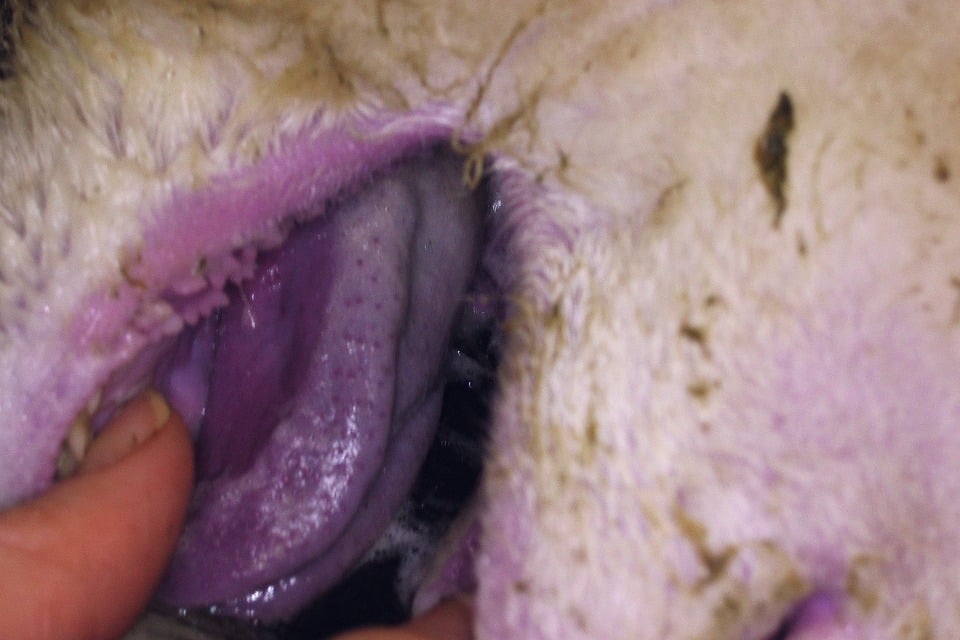
Bluetongue is a notifiable viral disease mainly spread between animals by biting midges. It primarily affects sheep and cattle, but can also infect other ruminants including goats and deer, as well as camelids such as llamas and alpacas.
The disease does not affect people or food safety.
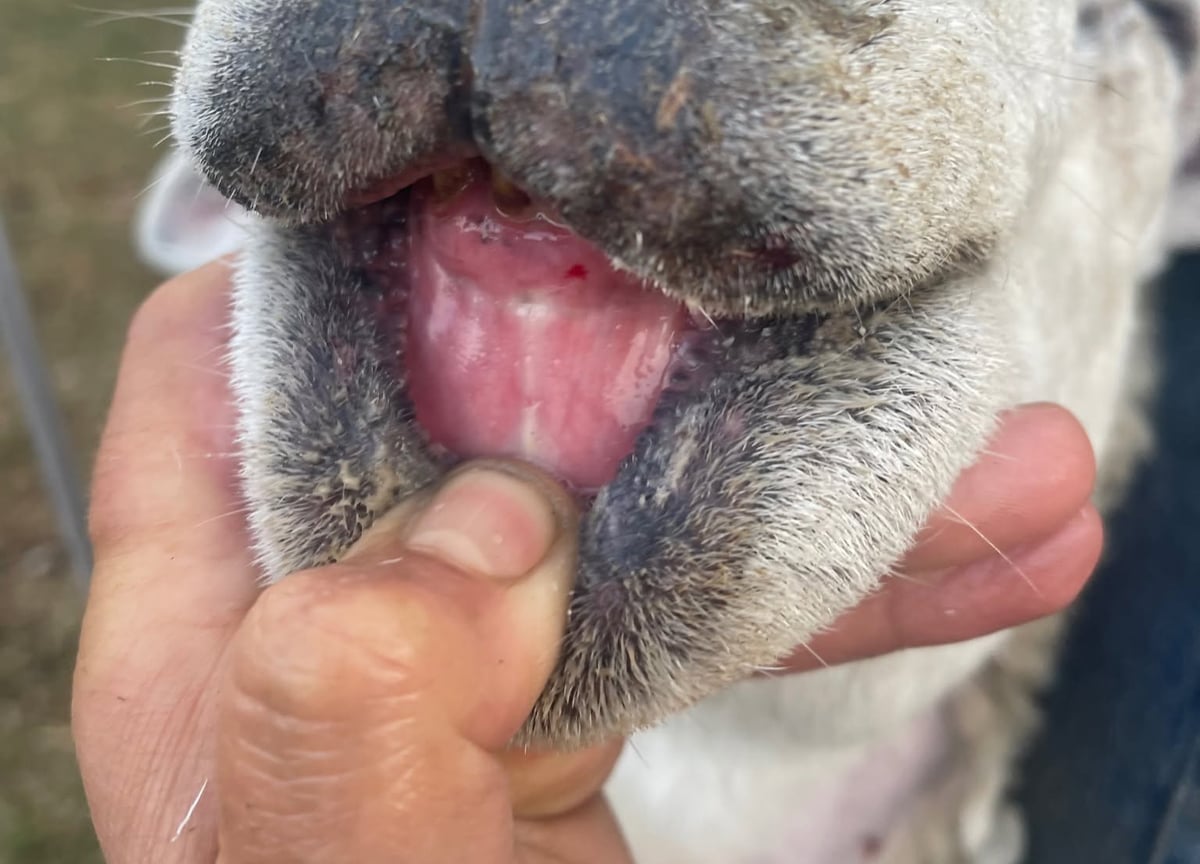
Signs can vary between species. In sheep, symptoms can include sores in the mouth and nose, discharge from the eyes or nose, drooling, fever, lameness, breathing difficulties and swelling of the lips, tongue, head and neck.
Cattle may display lethargy, fever, nasal discharge, redness around the mouth, eyes and nose, a drop in milk production and loss of appetite. Infection during pregnancy can also result in abortion, foetal deformities or stillbirths, while some infected adult cattle can show few or no obvious symptoms.
Dog walkers should not be alarmed simply about taking their pets for walks in areas where Bluetongue is circulating, with government guidance stating that Bluetongue rarely affects dogs and other carnivores, with infection only possible if they eat infected material such as afterbirth or aborted material.
The Government announced further measures to tackle the spread of Bluetongue earlier this month, including changes designed to speed up the confirmation of cases.
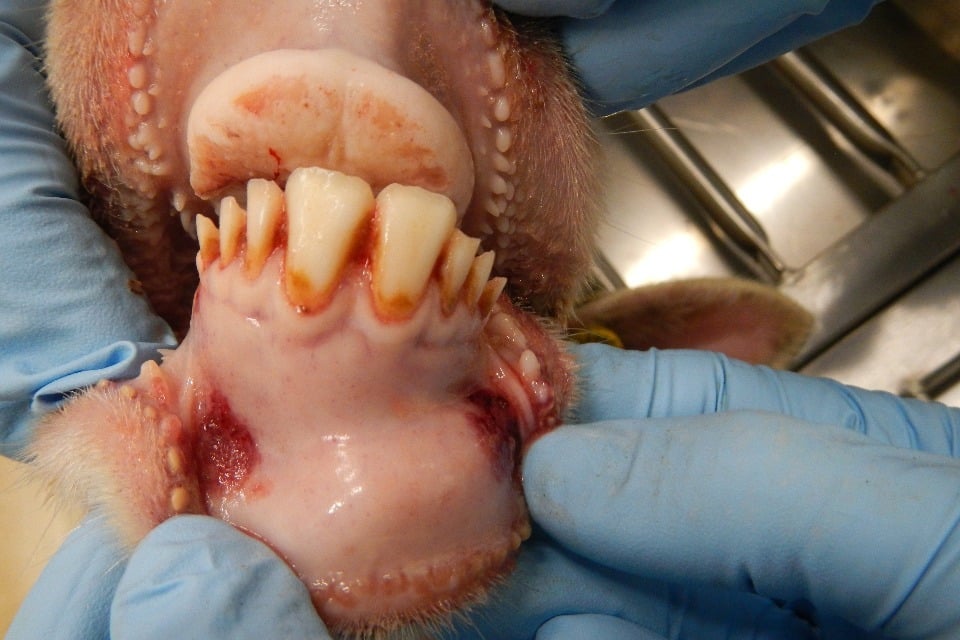
Since 11th September, private vets have been able to diagnose clear cases following examination, with the Animal and Plant Health Agency (APHA) formally confirming cases. Previously, suspected cases could require laboratory testing before confirmation.
Carisbrooke Vets Farm is advising Isle of Wight livestock keepers interested in vaccination to contact the practice at [email protected].
The practice says the vaccine is a prescription-only product and animals must have been seen within the past 12 months before it can be dispensed. Regulations also apply to the reporting of vaccine use by both the veterinary practice and livestock keeper.
Farmers in England can also apply for a Government-funded vet visit through the Animal Health and Welfare Pathway.
The visits can provide expert advice on Bluetongue risks and ways of reducing them, as well as allowing vets to check animals for signs of the disease. The Government says applications take less than 2 minutes to complete online.
Further details are available at www.gov.uk/guidance/farmers-how-to-apply-for-funding-to-improve-animal-health-and-welfare.
The APHA also operates an interactive Bluetongue virus map, allowing livestock keepers to see the location of suspected and confirmed cases across England alongside information about cattle and sheep populations.
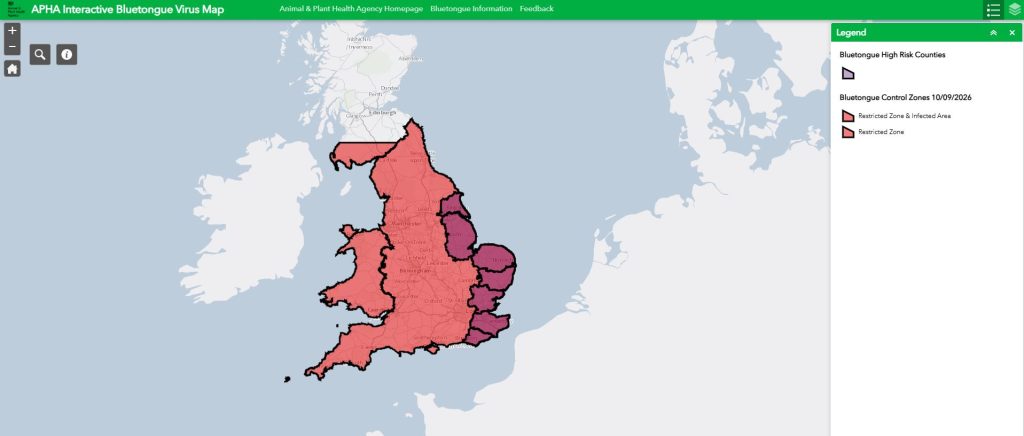
The map can be viewed at www.arcgis.com/apps/webappviewer/index.html?id=514ec88edec74575958d860f0196d2ea.
As Bluetongue is a notifiable disease, anyone who suspects the disease in their livestock is legally required to report it.