







































Hampshire & Isle of Wight Wildlife Trust brought together parliamentarians, local leaders and environmental organisations in Westminster to call for nature recovery to be placed at the heart of England’s evolving devolution agenda earlier this week (Thursday).
The event was attended by local Wildlife Trusts from across the country, which have been selected for the Government’s Devolution Priority Programme, including Norfolk, Suffolk, plus Hampshire and the Solent. New Mayoral Strategic Authorities in these areas will receive new powers and duties from Government through the English Devolution and Community Empowerment Bill, including over strategic planning and local growth plans.
Hampshire and Isle of Wight Wildlife Trust engaged with decision makers to set out how devolution can unlock meaningful action for nature locally, if new powers for local authorities are underpinned by strong environmental duties and clear mechanisms to drive nature’s recovery.


The Trust is calling for the English Devolution and Community Empowerment Bill to deliver:
- Updated environmental duties for local authorities that reflect the scale and urgency of the climate and biodiversity crises
- Alignment of local growth plans with Local Nature Recovery Strategies (LNRS) to ensure that nature and the economy can thrive in tandem
- New powers for communities to ensure that a community ‘right-to-buy’ can protect land that provides access to wildlife-rich spaces
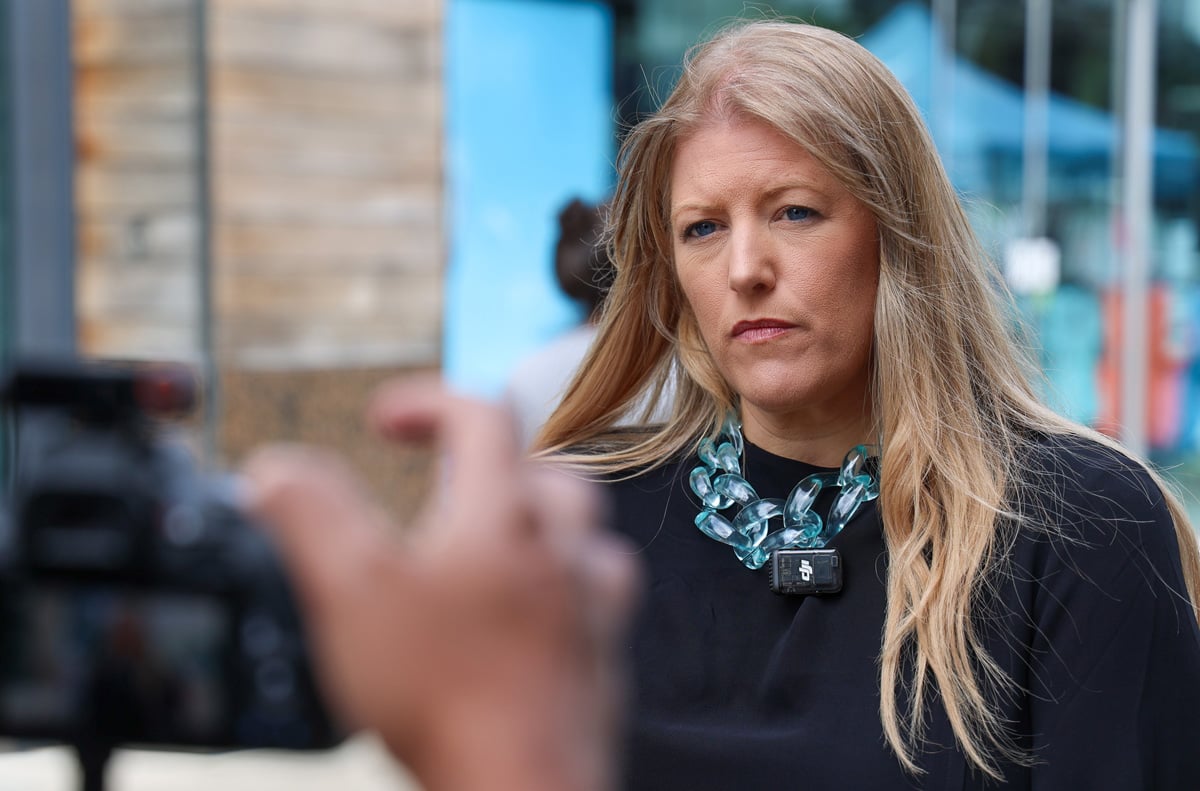
The event featured speakers included Debbie Tann MBE, Chief Executive of Hampshire and Isle of Wight Wildlife Trust, Christine Luxton, Chief Executive of Suffolk Wildlife Trust, and Jenny Riddell-Carpenter MP.
Debbie Tann MBE, Chief Executive of Hampshire and Isle of Wight Wildlife Trust, said:
“Britain’s prosperity is built on functioning natural systems. Pollinators, floodplains, clean water, fertile soils, a stable climate aren’t just environmental ‘nice-to-haves’ – they’re the basics we all rely on. Nature’s essential services keep us healthy, put food on shelves, protect homes from flooding, keep supply chains moving and support the whole economy.
“Devolution must lock in a nature-positive approach to foster healthier communities, a thriving economy and nature’s recovery. If this Bill fails to embed nature at its heart, wild places across the country will continue to pay the price, and so will we.”
Article continues below this advertisement

The event, hosted by Jenny Riddell-Carpenter MP, comes as the English Devolution and Community Empowerment Bill continues its passage through the House of Lords, with Committee Stage commencing later this month.
During this stage, peers will debate a number of proposed amendments aimed at strengthening the Bill’s approach to nature recovery, climate resilience and community empowerment.
Policy briefings from The Wildlife Trusts concerning the English Devolution and Community Empowerment Bill can be found here: https://www.wildlifetrusts.org/english-devolution-and-community-empowerment-bill












The often derisive and divisive language of the Lanyard Brigade is epitomised in this article with:
What on earth does that even MEAN?
It means that each devolved area be responsible for factoring in the changing climate when building and planning, making sure that biodiversity is taken into account so that things like pollinators have a chance to thrive. If they don’t, it means a lack of choice and availability of foods grown etc.
No bees, no plants. No plants, dead soil. Dead soil= erosion. Erosion, loss of land mass. No land mass, no homes. No homes and no food = Ethiopia, which used to be 40% forested land but is now largely desert.
But you just continue to stick your head where the sun don’t shine, and ridicule the ‘lanyard brigade’ for trying to save your children’s sorry asses.
No shit Sherlock!