































































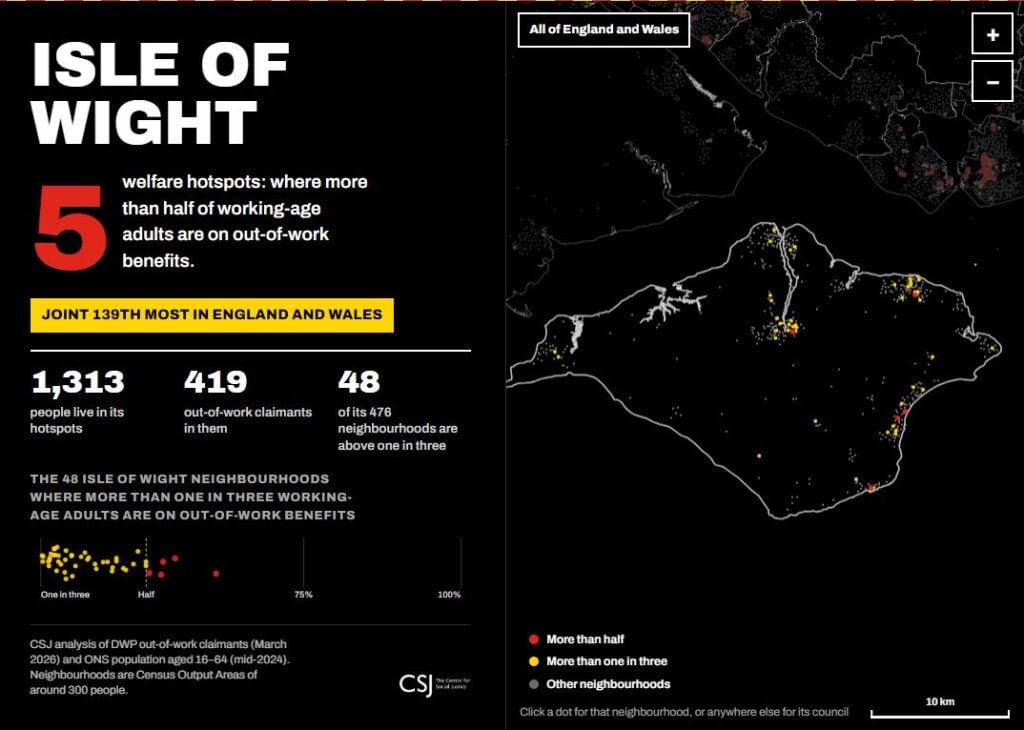
5 neighbourhoods on the Isle of Wight have been identified as welfare ‘hotspots’, where more than half of working-age residents are receiving out-of-work benefits – with one area of Ventnor recording a staggering 61%.
New analysis published by the Centre for Social Justice (CSJ) reveals that 18.9% of Islanders aged between 16 and 64 are receiving at least 1 out-of-work benefit, highlighting the scale of welfare dependency across the Island.
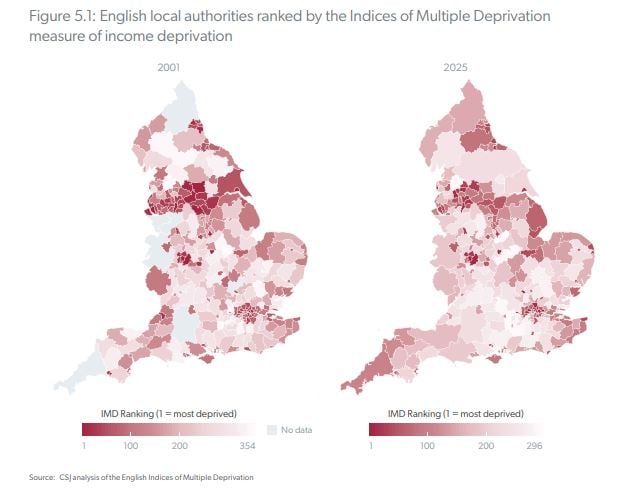
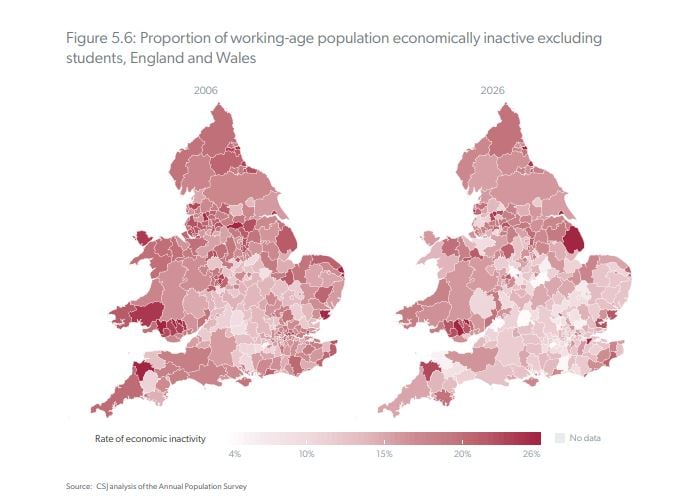
The findings form part of the think tank’s 250-page State of Dependency report, developed over a year-long period and aimed at highlighting the rapidly increasing welfare bill, rising levels of economic inactivity and what it describes as a crisis of ‘hidden unemployment’.


Of the Isle of Wight’s 476 neighbourhoods analysed, 5 have been identified as welfare hotspots, where the number of out-of-work benefit claimants exceeds half of the estimated working-age population.
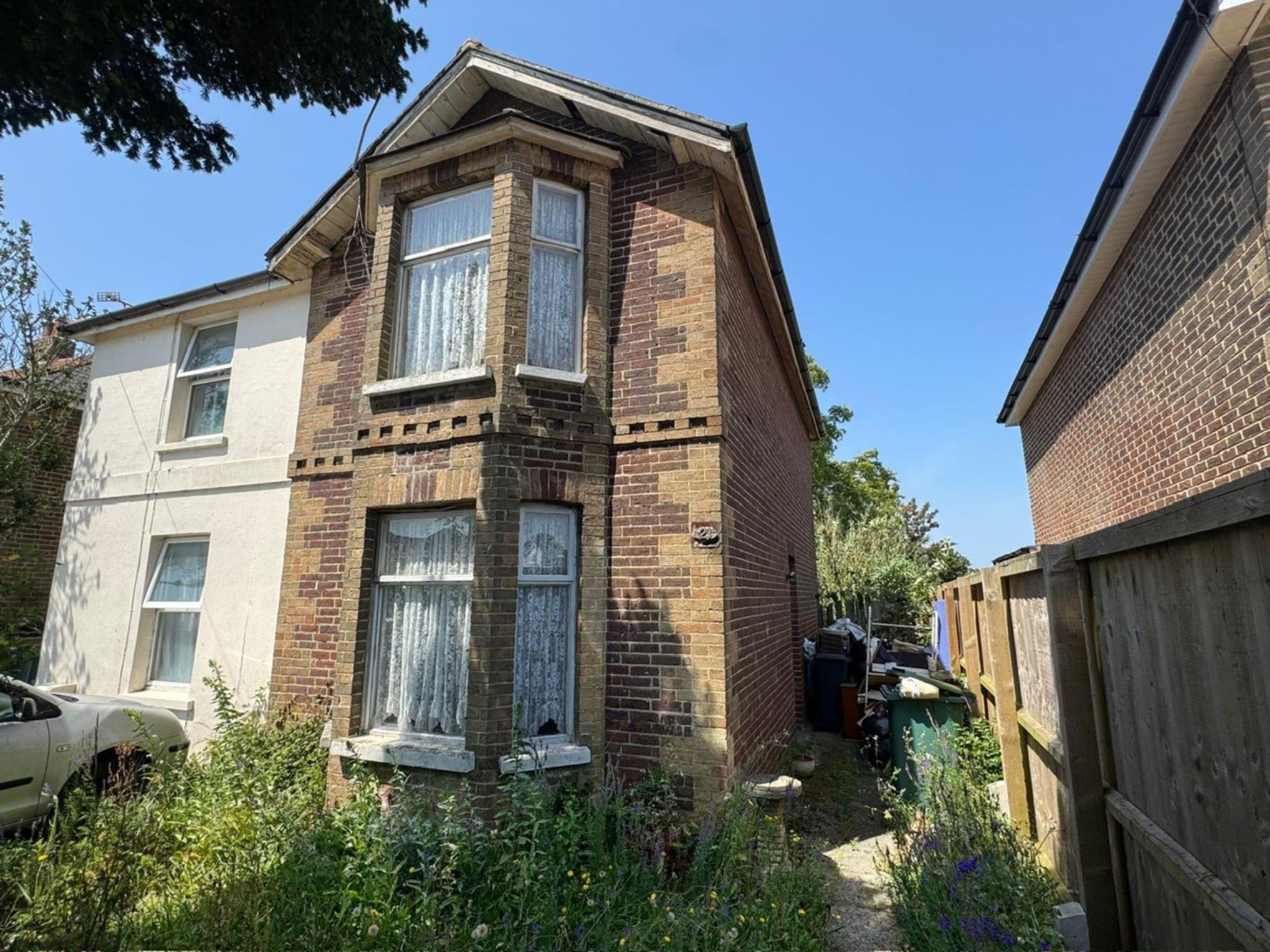
The highest concentration is in a Ventnor neighbourhood around Albert Street, where 102 of the estimated 167 residents aged 16-64 are receiving out-of-work benefits. That represents 61% of the local working-age population.
In Shanklin Central and Lake, 2 separate neighbourhoods have been identified.
The first, a residential area off Whitecross Lane, has 59 out-of-work benefit claimants among an estimated 108 working-age residents – equivalent to 55%.

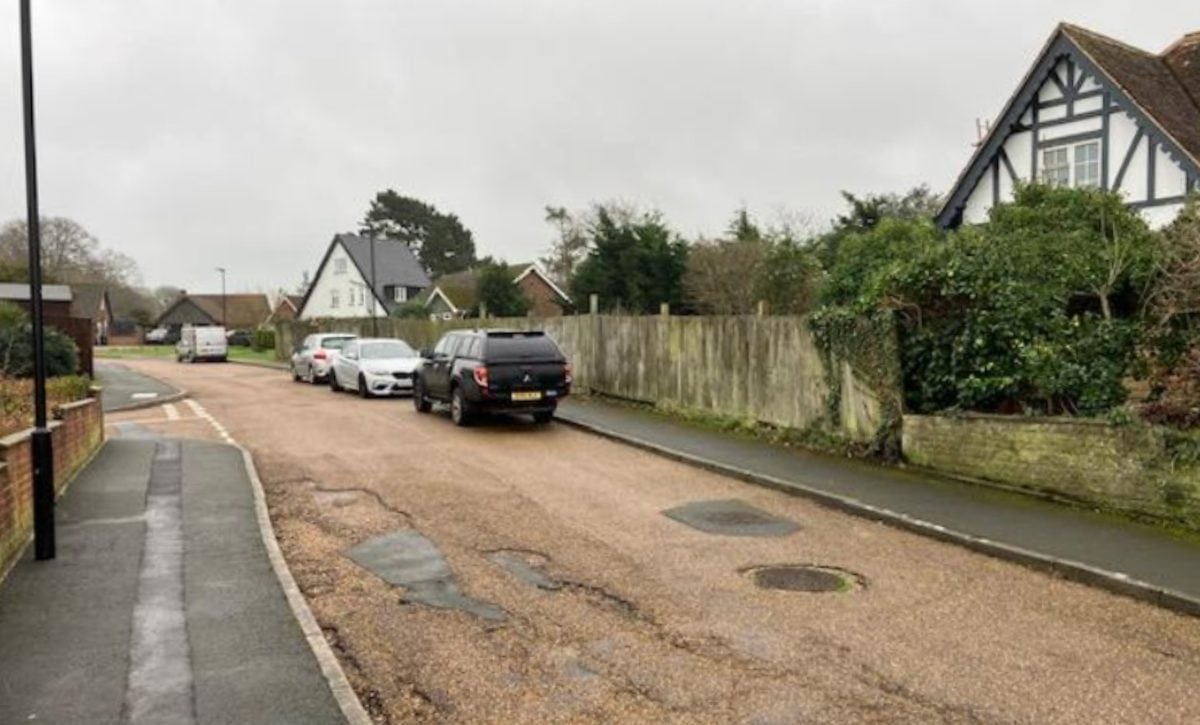
A second neighbourhood, roughly covering the area around Oaklyn Gardens, has 86 claimants among 164 residents aged 16-64, representing 52%.
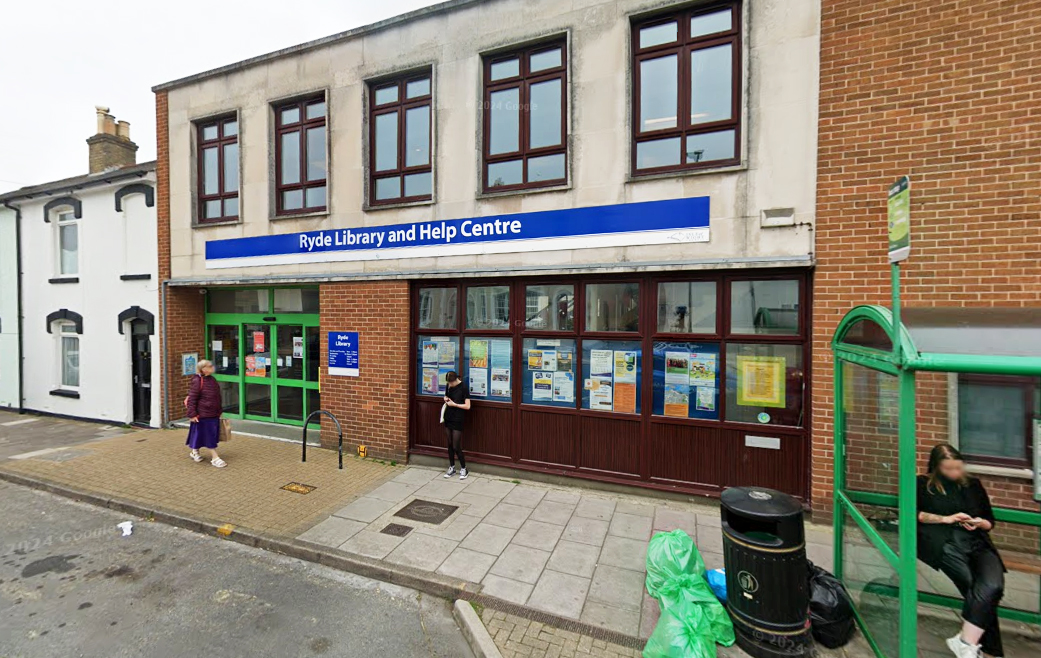
Meanwhile, in Ryde South, a neighbourhood in Oakfield has been identified as another hotspot, with 126 of its estimated 239 working-age residents receiving out-of-work benefits – a rate of 53%.
The final hotspot is in Newport East, within Pan Estate, where 46 of the estimated 91 residents aged 16-64 are receiving out-of-work benefits, equivalent to 51%.
Taken together, the 5 neighbourhoods have 419 out-of-work benefit claimants among an estimated working-age population of 769 – meaning approximately 54.5% are receiving such support.
The findings come amid growing concerns nationally about the number of people who have left the workforce due to long-term illness and other health-related conditions.
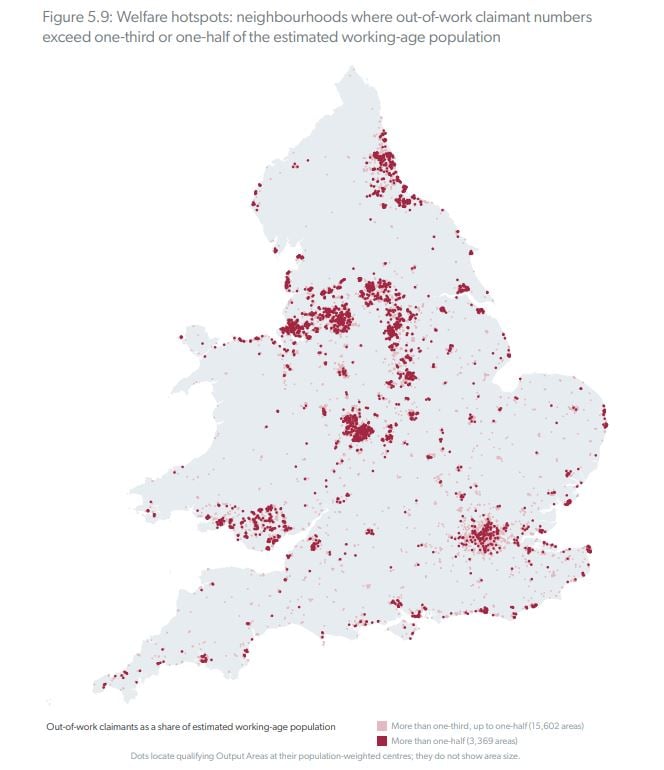
According to the CSJ report, approximately 6.7million people across England, Scotland and Wales now receive at least 1 out-of-work benefit, while incapacity benefit claims have increased by 61% since 2019.
The organisation has identified around 3,400 welfare hotspots nationally, where the number of out-of-work benefit claimants is equivalent to more than half of the local working-age population.
The report argues that traditional unemployment statistics fail to reflect the true scale of worklessness, particularly among people receiving health-related benefits.
Its authors also warn that the financial difference between employment and certain combinations of benefits has narrowed considerably.
The CSJ calculates that a single economically inactive claimant receiving Universal Credit health and housing support alongside Personal Independence Payment (PIP) could receive around £24,700 annually, rising to £27,400 with enhanced PIP.
The national findings follow recent revelations by Island Echo about the significant rise in disability benefit claims locally.
As previously reported by Island Echo, the number of Isle of Wight residents receiving PIP has increased by 60.1% in just 5 years.
Department for Work and Pensions (DWP) figures show that 11,405 Islanders were receiving the disability benefit in July 2026, compared with 7,124 in July 2021 – an increase of 4,281 people.
The rise has been particularly pronounced among younger Islanders, with the number of 16-19-year-olds receiving PIP increasing from 261 to 633 over the same period. That represents an increase of 142.5%.
Among those aged 60-64, the number of claimants rose by 67%, from 951 to 1,588.
Separate figures have also highlighted an increase in Islanders receiving disability support for back pain.
Island Echo revealed last month that the number of people receiving PIP with non-specific back pain recorded as their primary disabling condition had increased by 27.5% over 5 years.
Nevertheless, the CSJ says the growing number of people receiving health-related support is part of a wider challenge facing Britain’s welfare system.
The organisation argues that decades of insufficient investment in employment opportunities, skills, healthcare and local economies have left some communities increasingly reliant on state support.
Its report also calls for fundamental changes to the benefits system, including greater personalised assistance for those with health conditions, stronger financial incentives to return to work and more involvement from local organisations.
Locally, East Wight MP and Shadow Minister for Work and Pensions, Joe Robertson, has taken to social media addressing the harrowing findings. Joe highlighted that the government must take some responsibilty for making it so much more expensive to employe people, particulary young people.
East Wight MP and Shadow Minister for Work and Pensions Joe Robertson has taken to social media to respond to the concerning findings, calling on the Government to take responsibility for the rising cost of employing people, particularly younger workers.
Mr Robertson has also highlighted the impact of expensive cross-Solent travel on employment opportunities and economic growth on the Isle of Wight.
Joe Robertson MP has said:
“In 5 neighbourhoods on the Island, more than half of working age people are on out-of-work benefits including in parts of Ryde, Lake and Ventnor.
“The Chancellor can make a difference in his Budget in 2 weeks time by cutting employment taxes to promote job creation.
“However, until we tackle the excessive cost of crossing the Solent we will always struggle to provide the same opportunities as the mainland. The Government needs to take action on excessive ferry fares and service reliability too because the ferry companies refuse.”