











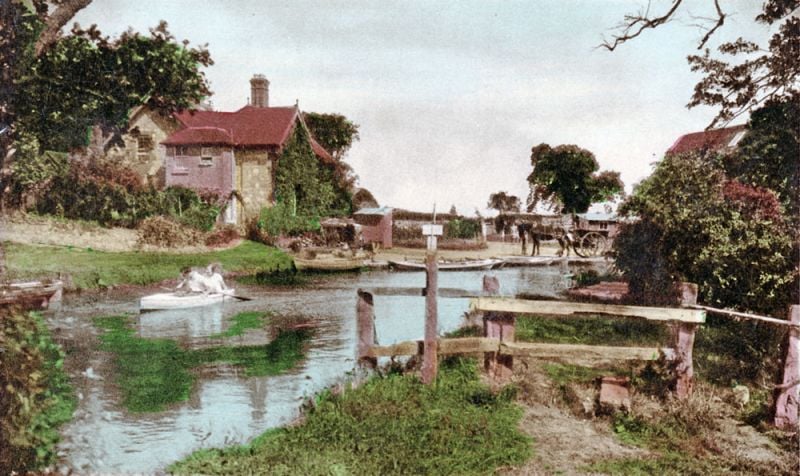

































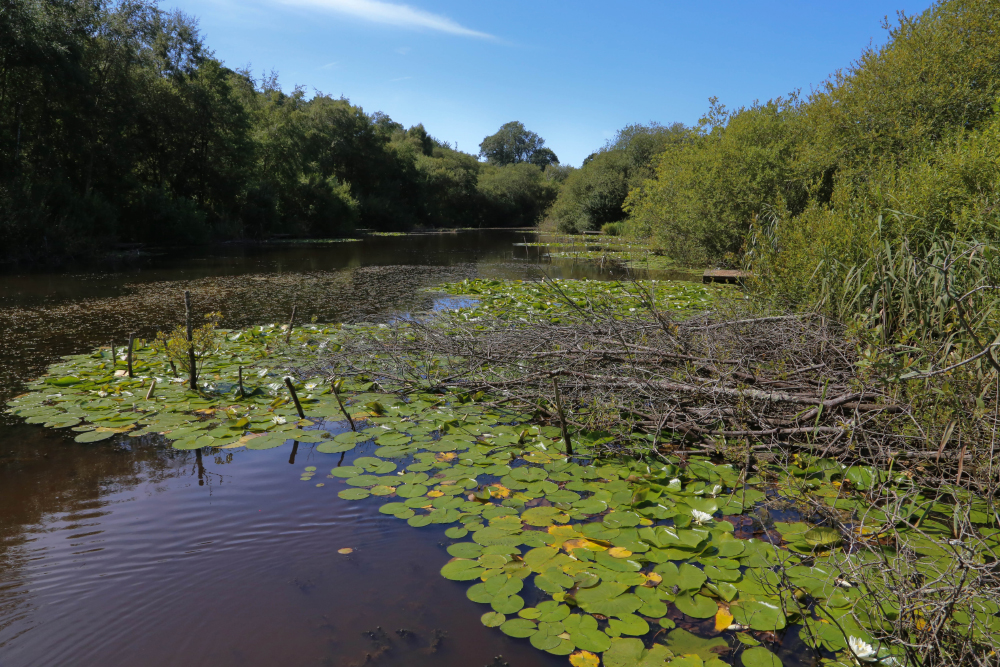

 To mark the upcoming World Wetlands Day on Wednesday (2nd February), Hampshire & Isle of Wight Wildlife Trust are highlighting the Island’s incredible, wildlife-rich, carbon-capturing oases.
Wetland habitats vary from upland peat bogs to valley mires, floodplain meadows to vast reedbeds. Whether fed by rain or groundwater, these wet habitats all need a water supply to create the conditions that satisfy their soils, vegetation and resident wildlife.
Sadly, the UK’s lost 90% of its wetlands – they often get drained for agriculture, development, forestry and other land uses. This is bad for wildlife because around 40% of the world’s species rely on freshwater wetlands. UK wetlands now cover just 3% of our landscape, yet 10% of our species still call them home.


Here on the Isle of Wight, wet grasslands are where lapwing, curlew and snipe nest, where bitterns boom in reedbeds, and where bats feed on the swarms of insects that emerge from them. Dragonflies, amphibians and water voles are found across ponds and marshes.
Hampshire & Isle of Wight Wildlife Trust is also hoping to introduce beavers on the Isle of Wight to help restore the Island’s wetlands as part of its Wilder Wight vision.
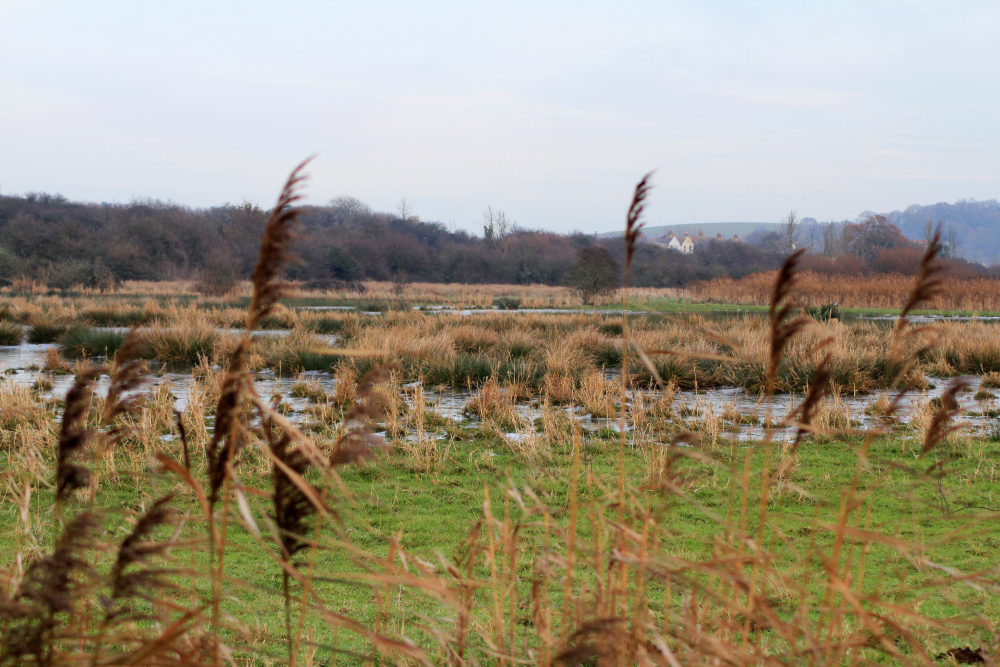
People rely on wetlands too. They provide ‘services’ that society needs. It may seem counter-intuitive, but wetlands provide flood protection by slowing down and storing flood flows. Coastal reedbeds and saltmarshes also buffer us from storm surges, while floodplains hold excess flows from our rivers.
Wetlands are also important carbon stores. When wetland plants die, rather than decomposing and releasing their carbon into the atmosphere, they become buried in the sediment making up peatland soils. These soils, which accumulate over thousands of years, hold vast amounts of carbon and are the world’s biggest carbon store on land. If allowed to dry out, wetlands release carbon dioxide and rather than mitigating climate change contribute to it.

The Wildlife Trusts are working to protect and restore our damaged wetlands as part of its vision to see 30% of our land and seas managed for nature’s recovery by 2030.
3 amazing wetlands you can visit on the Isle of Wight include Sandown Meadows, Newchurch Moors and Alverstone Mead nature reserves. Find out more at hiwwt.org.uk.