






































































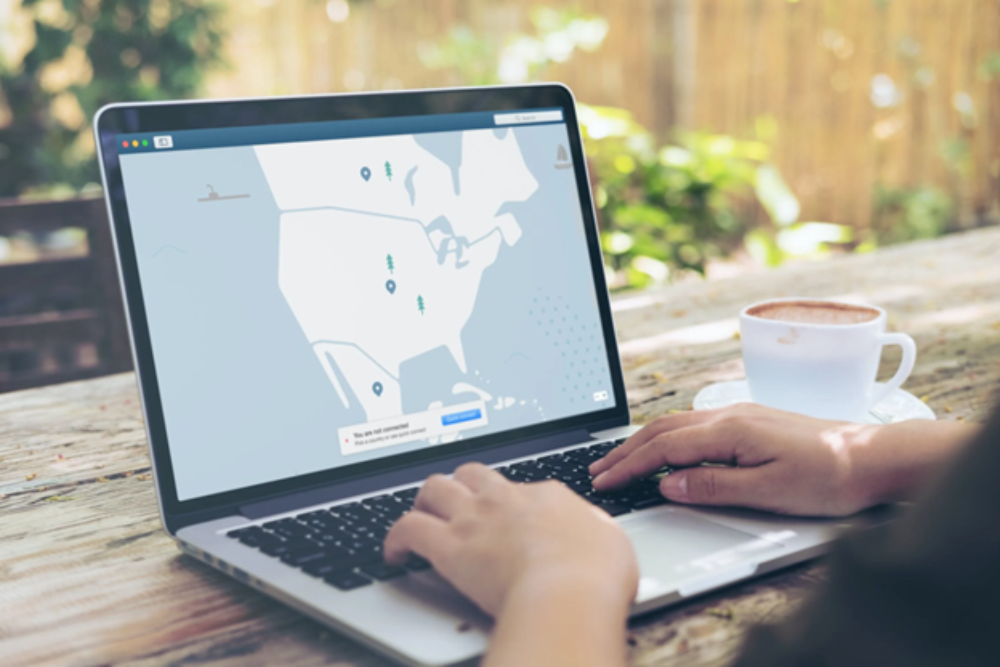

In today’s age where nearly everyone is browsing the internet for thousands of reasons. This is an amazing development making almost all the information in the world readily available to everyone. But also it has become a prime place for people to scam and attempt to steal personal information. So it is important for everyone browsing the internet to remain safe by using strong passwords and VPNs.
This traction and the security they provide have made VPNs a multi-billion dollar industry with a lot of potential growth. VPN is an acronym that stands for Virtual Private Network. Using a VPN is as easy as just clicking a button and you are set. But knowing what they counter and what they don’t will ensure that you have the safest browsing experience.
How do VPNs work?
VPNs essentially mask your IP address by acting as an intermediary and rerouting your traffic. They also encrypt all your personal information which secures it and your location. This blocks anyone from spying or accessing your information be it through the web or your internet connection. Securing your WiFi connection when you are out in public is also quite important since anyone can easily hack into it to steal personal information.


For example, as the rate of scam calls is decreasing online counterparts are expanding. Most of these except phishing and downloading corrupted files which can only be combated with awareness and education. VPNs serve as the security barrier between scammers and all your personal information and documents.
Are VPNs free?
VPNs usually work as a subscription service that gives you full access to its service across all your devices. The number of devices depends on the subscription plan you use, but there are free options that provide their services to users. There are also subscription plans marketed for teams and company departments to protect the whole branch’s security. Everyone can and should use any VPN available since any security is better than none.
The better VPNs are a paid-for service so you may wish to explore the price of NordVPN, for example.
What are other uses for a VPN?
VPNs apart from security can be used to access websites and services not available in your region. This is thanks to their ability to choose where your masked IP will be, meaning you can basically ‘’live’’ anywhere. A common application of this is a Netflix VPN, where you change your region in order to watch previously unavailable shows and movies. With this, you avoid Netflix’s region locking of media.