



























































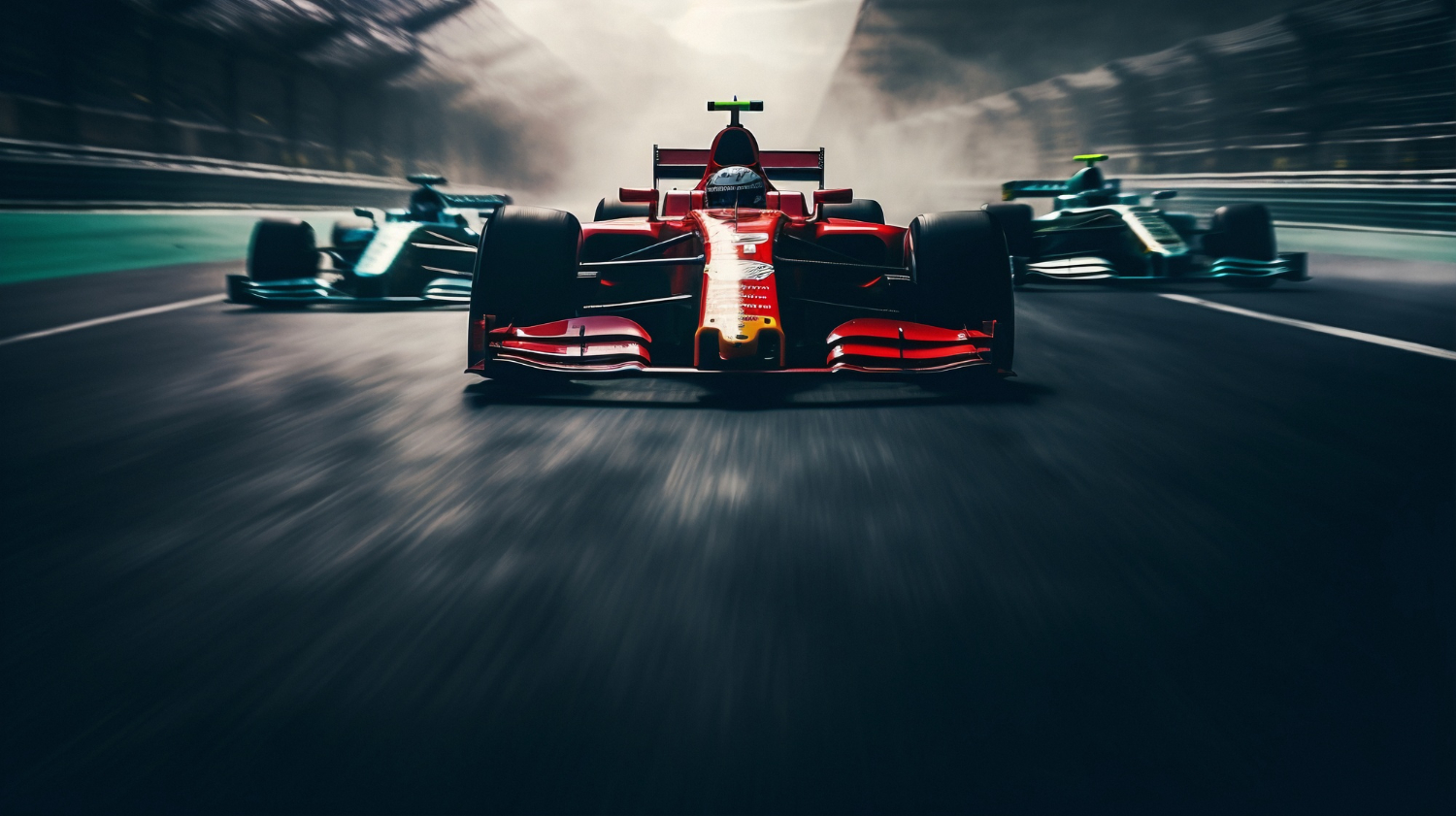

Formula 1’s 2026 regulations created a substantial change in how cars generate and deploy power. The FIA’s original technical framework raised the electrical output to as much as 350 kilowatts, while the internal-combustion contribution decreased. The cars also began using advanced sustainable fuel. Energy deployment became central to strategy. The FIA refined the 2026 parameters in May, restricting deployment to 250 kW in some parts of a lap while retaining 350 kW in key acceleration zones.
A driver can be fast through a corner but vulnerable on the following straight if electrical energy is scarce. Fans now have reason to watch battery use, recharge opportunities and the relationship between drag and speed.
The Old DRS Shortcut Is Gone
The Drag Reduction System defined much of the previous era, when a trailing car could open its rear wing under specified conditions. The 2026 regulations introduced active aerodynamics that adjust front and rear wing elements. Drivers use low-drag configuration on designated straights and higher-downforce settings for corners, subject to the rules.


An overtaking mode gives eligible following drivers additional electrical power. Formula 1’s January 2026 technical explanation distinguishes this from the regular boost button. A television graphic showing a wing opening is therefore no longer sufficient to explain every overtaking attempt.
Energy Decisions Can Outweigh a Quick Lap
Teams must balance the electricity recovered under braking with the energy spent accelerating. Spending more on one straight can leave less for the next; conserving too much can sacrifice track position. The chosen compromise depends on the circuit and the other cars nearby.
This strategic problem makes long runs in practice worth examining. A team setting one spectacular lap may struggle to repeat the same deployment pattern over a race stint. Engineers also need to watch tire performance, temperature and traffic. Race-day performance remains a combined result of machinery, driver judgment and pit-wall decisions.
Reliability Became a Visible Story in October
The FIA’s October 8 review traced a wet-weather software issue at the Bahrain Grand Prix in Sepang, Malaysia, to unintended power loss at low engine speeds. Teams received a revised configuration, and further software changes were planned ahead of the United States Grand Prix. Singapore followed on October 11: Max Verstappen won, Charles Leclerc finished second and Kimi Antonelli third.
The Singapore result also separated a race win from the championship picture. Antonelli’s third place extended his advantage over George Russell to 102 points after Russell finished ninth. Official classifications, technical bulletins and stewarding documents carry more weight than speculative social clips.

A Grand Prix Weekend Has More Than One Competitive Layer
Practice sessions expose potential pace but rarely reproduce race conditions perfectly. Qualifying rewards a rapid lap, while the Grand Prix demands fuel, tires, traffic management and reliability over distance. A sprint weekend compresses preparation further. That sequence allows supporters to update an opinion as new evidence appears rather than choosing a favorite once and defending the choice indefinitely.
Drivers also work within strict sporting procedures: track limits, safety-car conditions and stewarding decisions can change classifications. Reading the official final result is necessary before treating an apparent podium finish as settled.
Odds Follow the Weekend, Not the Other Way Around
A qualifying result can move the winner market, but pole position does not guarantee a Grand Prix victory. Verstappen’s Singapore win from pole on October 11 illustrates one successful conversion, not a general rule. Someone viewing formula 1 betting markets should distinguish pole, podium, race winner and championship futures. A safety-car period or mechanical retirement can change those probabilities sharply. Decimal prices include a bookmaker margin and may be suspended while a stewarding decision is pending. Understanding the precise market is more useful than assuming a short favorite must win.
A live odds movement is not proof of an event before the FIA confirms it. Markets and broadcasts may update at different times. Official timing and classified results should anchor subsequent analysis.
Mobile Access Has Its Own Verification Questions
Fans use phones for timing, team radio clips, travel plans and technical explanations. Official F1 timing data is separate from any sportsbook offer, while app listings require their own publisher checks. A page advertising APP MelBet may appear beside racing content, but the name cannot verify software integrity or wagering authorization. Android APK and native iPhone packages follow different distribution systems. An installer should be checked against its publisher, permissions and update source before use.
India’s 2026 online-gaming rules prohibit online money games, regardless of whether an overseas page loads on a phone. That legal fact is separate from a fan’s ability to read Formula 1 results. The safest informational sources for regulations remain the FIA and Formula 1 itself.
What to Watch During the Next Overtake
Follow four details: the gap at detection, the straight on which energy is deployed, the aerodynamic configuration and whether the attacking driver can defend on the next lap. A pass that looks effortless may have required several corners of preparation. The rival’s remaining battery and tire condition can determine whether the position lasts.
Formula 1 has become a richer viewing experience because the power struggle has more visible layers. The useful skill is learning to connect those layers to real timing data rather than confusing an impressive graphic with an explanation.