



































The Isle of Wight is best known for its scenery and slower pace, but beneath that calm surface sits an economy that, just like any other, has to adapt to modern pressures. In 2026, local councils and small businesses will focus on growing without losing what makes the island work in the first place. So, what choices can we expect to see them make in order to keep businesses steady and the local economy running? Let’s find out.
Online Gambling and Its Role on the Island
Gambling may not be the first thing that comes to your mind when you think about the Isle of Wight, but changes coming in 2026 will have an indirect effect on the local economy. As confirmed after Budget 2025, the government decided against a single unified tax for remote betting and gaming. Instead, it chose targeted duty changes that better reflect modern gambling, which usually takes place online.
Players are moving away from traditional brick-and-mortar casinos and choosing to play on web-based platforms instead. UK players usually head to the best European casinos where they can play remotely and access all kinds of bonuses and promotions. While there are no physical casinos on the island, this shift toward online platforms still has a small effect on it.


Supporting work for online casinos usually also happens online, meaning that jobs like content creation, customer support, and digital marketing are available to absolutely everyone. Island-based professionals can plug into that system without moving to the mainland. And as we’ll see in the next section, more and more residents are opting for this type of work.
Continued Growth for Digital Access and Remote Work
The Isle of Wight doesn’t compete with major tech hubs, but its digital infrastructure continues to play a huge role in how people work. With faster broadband and better mobile coverage across the island, it’s becoming easier for residents to take on remote roles in mainland companies. And with more and more younger professionals preferring roles like this, the need to relocate for career growth is reducing.
With some towns offering limited traditional employment, things like shared workspaces and flexible office setups are growing. They don’t offer freelancers and remote workers a place to work from, but also help create informal networks of people who work in the same way. With these networks of skilled people and a hybrid life model available, the island is less likely to lose talent to mainland cities.
This also means more money stays in the local economy through housing, services, and everyday spending. It might also make the island an even more attractive relocation option for young professionals seeking remote work and a calmer lifestyle.
A More Grounded Tourism Economy
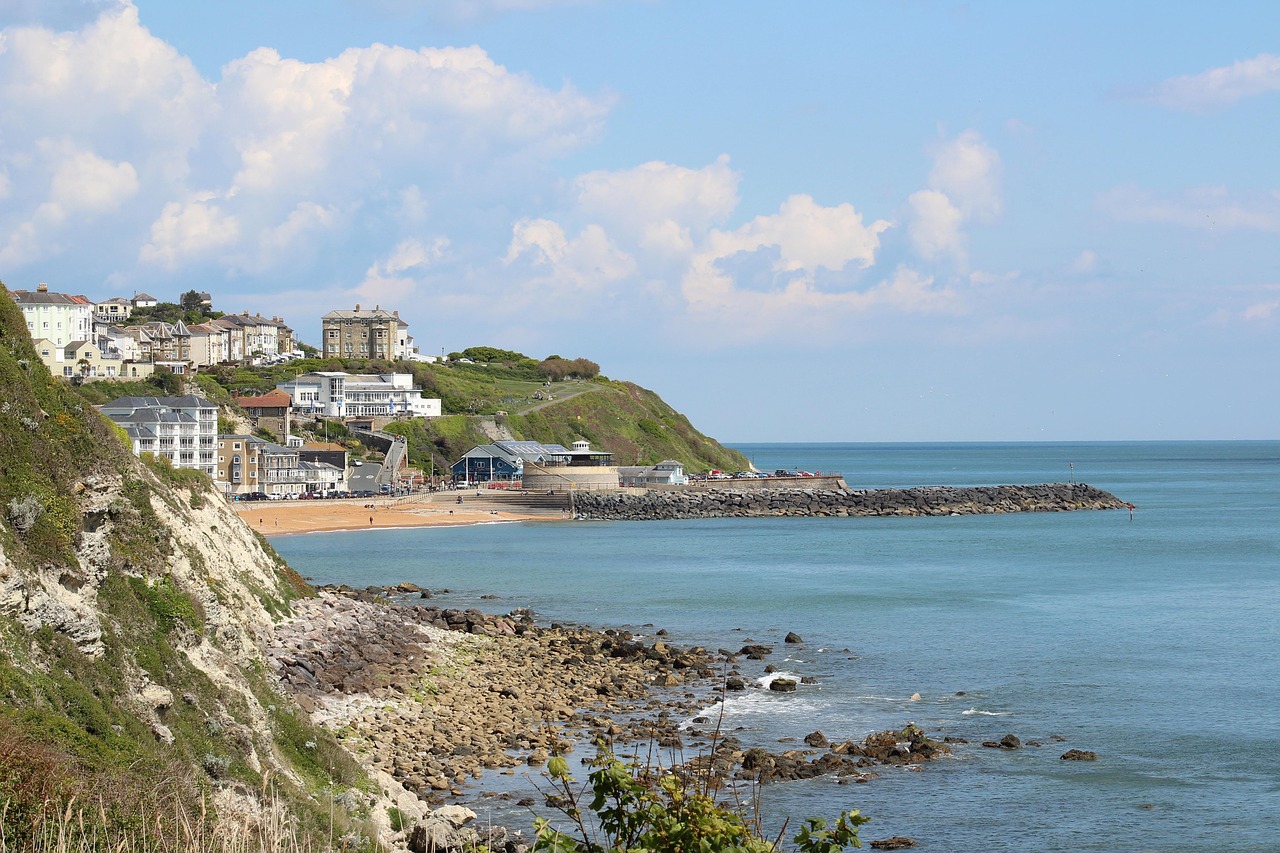
Tourism will continue to be the island’s economic backbone in 2026, but we might see some changes in how it works. The focus will move away from short bursts during peak season and move towards longer, more consistent visitor activity. Businesses that operate in the industry will adapt their offers to suit off-season tourists, remote workers, and those who visit the island during quieter months. This should result in more consistent tourism income throughout the year and allow businesses in the sector to plan with more confidence.
Local councils and tourism groups have been investing time in experience-led travel rather than mass promotion. Visitors are encouraged to stay longer and explore more of the island instead of concentrating on a few popular spots. This means we might see less money pouring into the same spots and getting spread through towns and villages instead. Think of smaller cafés, independent shops, and service providers. All businesses that don’t usually benefit from summer tourists will receive higher income, leading to more stability and fewer businesses being forced to shut down due to financial pressures.
We might also see changes in how ferry services and booking systems work, making it easier for people to visit the island and return again later.
Conclusion
Any choices regarding the island’s economy that will be made in 2026 will favour gradual growth over big swings. They will come from a focus on what keeps things stable in the long run, rather than chasing quick results that don’t fit the island’s reality. The Isle of Wight will move in a way that feels natural and similar to what we’ve been seeing in recent years.