


















































Proposed policing reforms, described as the biggest changes in service history, have drawn criticism from Hampshire & Isle of Wight’s Police and Crime Commissioner Donna Jones.
Major reforms to policing in England and Wales are being set out by the Home Secretary, with plans reportedly including a reduction in the number of police forces nationwide.
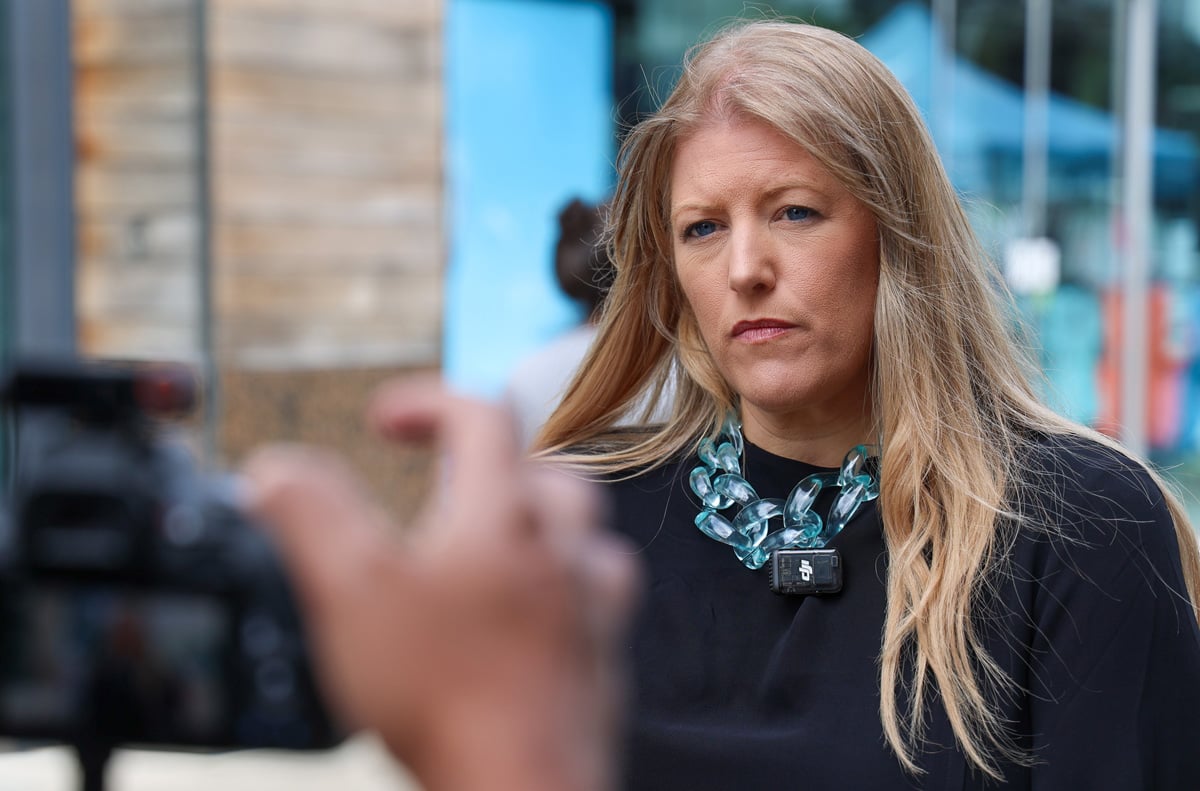
Responding to the proposals, Donna Jones, Police and Crime Commissioner for Hampshire and the Isle of Wight, has raised a number of concerns.


“The government claims merging forces will save money.
“I believe the real reason for announcing these reforms is because, 18 months ago, the government laid out plans to introduce 13,000 more neighbourhood police officers across England and Wales. But they’ve failed as they can’t find the funding.
“I’m not against some form of police reform but I think reducing force numbers from 43 to a reported 12 would result in forces which are far too big and unruly. Police performance would slip as a consequence.
“Another concern for me is the government’s proposed timescale. They want this done by the end of the next term of parliament which is 2034. That’s too far down the road and will distract core policing.
“It’s also a real shame they’re taking the voice away from local people.
Article continues below this advertisement “The successors of Police and Crime Commissioners need to be able to hold police forces to account on behalf of the public. The police should not be marking their own homework and this change must be balanced with robust scrutiny.
“I want to reassure people across Hampshire and the Isle of Wight that having local officers out in the heart of our communities remains one of my top priorities. We’ve been doing this here for last two years with the introduction of Local Bobbies. It’s proved so successful that it’s been replicated by the government nationally.
“Policing must be rooted in the communities it serves if we are to be as efficient as possible in responding to crime.”

The government has said the reforms are intended to modernise policing and improve efficiency, but critics warn the changes could weaken local accountability and community-focused policing.








The country is heading towards AI Facial recognition
Could you please explain the relevance of this comment to the article
Is it because she can see that lovely salary going out the window
It’s all about control. Control of us, the public. Political control of the police. Direct control by the Home Secretary. Control of ‘unruly’ Chief Constables. Control and political interference in policing and justice. Just the sort of thing dictators like Stalin and Hitler loved.
“The successors of Police and Crime Commissioners need to be able to hold police forces to account on behalf of the public.” This should be the first obligation of current Police and Crime Commissioners but, in my view, most failed to do so because the influences of party politics and its link to funding subverted this function. PCC should have been independent of political parties. But they are being abolished to we must look to the future. I can see no reason not to have a single national police service and the reduction to 12 forces would be a step in that direction.
Exactly.