

























































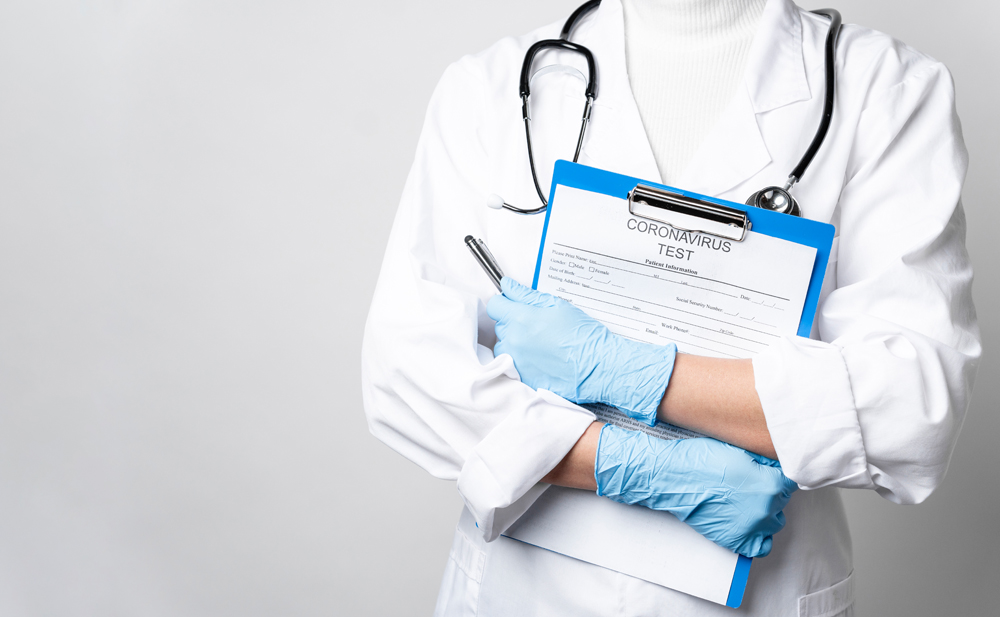

Official figures show that there has now been a total of 38 confirmed cases of coronavirus COVID-19 on the Isle of Wight.
On Tuesday, the number of cases locally rose to 36 from 32, but figures released by Public Health England this afternoon (Wednesday) show there are now an additional 2 confirmed cases.
Government has hinted that there are some positive signs in the number of new cases being recorded across the country, suggesting that the UK is now seeing the benefit of the lockdown imposed over 2 weeks ago. The current measures will not be reviewed on Monday as originally planned, but legally have to be reviewed by 16th April.


Nationally, the number of people who have tested positive for COVID-19 stands at 60,733. There have been 7,097 deaths.
As of today, 5 people admitted to St Mary’s Hospital, who previously tested positive for COVID-19
The British Army has begun work to transform 3 buildings at the St Mary’s Hospital site in Newport into fully functioning wards, increasing bed capacity by 200. However, the number of new cases on the Island is not skyrocketing as could have been expected.
For the latest information on coronavirus here on the Isle of Wight visit islandecho.co.uk/category/coronavirus.
Symptoms of coronavirus
Stay at home if you have either:

[mks_icon icon="fa-arrow-right" color="#e30f13" type="fa"] a high temperature – this means you feel hot to touch on your chest or back (you do not need to measure your temperature)
[mks_icon icon="fa-arrow-right" color="#e30f13" type="fa"] a new, continuous cough – this means coughing a lot for more than an hour, or 3 or more coughing episodes in 24 hours (if you usually have a cough, it may be worse than usual)
[mks_icon icon="fa-arrow-right" color="#e30f13" type="fa"] shortness of breath.
[mks_icon icon="fa-arrow-right" color="#e30f13" type="fa"] To protect others, do not go to places like a GP surgery, pharmacy or hospital. Stay at home.
The symptoms are similar to other illnesses that are much more common, such as cold and flu. Research shows it takes, on average, around 5 days for symptoms to start showing.
Use the 111 online coronavirus service to find out what to do.
[mks_icon icon="fa-arrow-right" color="#e30f13" type="fa"] Use the 111 coronavirus service for information.
Only call 111 if you cannot get help online.
How long to stay at home
[mks_icon icon="fa-arrow-right" color="#e30f13" type="fa"] if you have symptoms of coronavirus, you'll need to stay at home for 7 days.
[mks_icon icon="fa-arrow-right" color="#e30f13" type="fa"] if you live with someone who has symptoms, you'll need to stay at home for 14 days from the day the first person in the home started having symptoms
[mks_icon icon="fa-exclamation-circle" color="#dd9933" type="fa"] If you live with someone who is 70 or over, has a long-term condition, is pregnant or has a weakened immune system, try to find somewhere else for them to stay for 14 days.
[mks_icon icon="fa-exclamation-circle" color="#dd9933" type="fa"] If you have to stay at home together, try to keep away from each other as much as possible.
Read the NHS advice about staying at home.
How to avoid catching and spreading coronavirus (social distancing)
Everyone should do what they can to stop coronavirus from spreading.
[mks_icon icon="fa-check" color="#81d742" type="fa"] Do
[mks_icon icon="fa-check" color="#81d742" type="fa"] wash your hands with soap and water often – do this for at least 20 seconds
[mks_icon icon="fa-check" color="#81d742" type="fa"] always wash your hands when you get home or into work
[mks_icon icon="fa-check" color="#81d742" type="fa"] use hand sanitiser gel if soap and water are not available
[mks_icon icon="fa-check" color="#81d742" type="fa"] cover your mouth and nose with a tissue or your sleeve (not your hands) when you cough or sneeze
[mks_icon icon="fa-check" color="#81d742" type="fa"] put used tissues in the bin immediately and wash your hands afterwards
[mks_icon icon="fa-check" color="#81d742" type="fa"] avoid close contact with people who have symptoms of coronavirus
[mks_icon icon="fa-check" color="#81d742" type="fa"] only travel on public transport if you need to
[mks_icon icon="fa-check" color="#81d742" type="fa"] work from home, if you can
[mks_icon icon="fa-check" color="#81d742" type="fa"] avoid social activities, such as going to pubs, restaurants, theatres and cinemas
[mks_icon icon="fa-check" color="#81d742" type="fa"] avoid events with large groups of people
[mks_icon icon="fa-check" color="#81d742" type="fa"] use a phone, online services, or apps to contact your GP surgery or other NHS services
[mks_icon icon="fa-times" color="#e30f13" type="fa"] Don't
[mks_icon icon="fa-times" color="#e30f13" type="fa"] do not touch your eyes, nose or mouth if your hands are not clean
[mks_icon icon="fa-times" color="#e30f13" type="fa"] do not have visitors to your home, including friends and family
Advice for people at high risk
If you're at high risk of getting seriously ill from coronavirus, there are extra things you should do to avoid catching it.
These include:
[mks_icon icon="fa-times" color="#e30f13" type="fa"] not leaving your home – you should not go out to do shopping, visit friends or family, or attend any gatherings
[mks_icon icon="fa-times" color="#e30f13" type="fa"] avoiding close contact with other people in your home as much as possible
Read the full advice on protecting yourself if you're at high risk from coronavirus on GOV.UK.
Who is at high risk?
You may be at high risk from coronavirus if you:
[mks_icon icon="fa-arrow-right" color="#e30f13" type="fa"] have had an organ transplant
[mks_icon icon="fa-arrow-right" color="#e30f13" type="fa"] are having certain types of cancer treatment
[mks_icon icon="fa-arrow-right" color="#e30f13" type="fa"] have blood or bone marrow cancer, such as leukaemia
[mks_icon icon="fa-arrow-right" color="#e30f13" type="fa"] have a severe lung condition, such as cystic fibrosis or severe asthma
[mks_icon icon="fa-arrow-right" color="#e30f13" type="fa"] have a condition that makes you much more likely to get infections
[mks_icon icon="fa-arrow-right" color="#e30f13" type="fa"] are taking medicine that weakens your immune system
[mks_icon icon="fa-arrow-right" color="#e30f13" type="fa"] are pregnant and have a serious heart condition
If you're at high risk, you will be contacted by the NHS by Sunday 29 March 2020. Do not contact your GP or healthcare team at this stage – wait to be contacted.
How coronavirus is spread
Because it's a new illness, the NHS does not know exactly how coronavirus spreads from person to person.
Similar viruses are spread in cough droplets.
It's very unlikely it can be spread through things like packages or food.
Pregnancy advice
If you're pregnant and worried about coronavirus, you can get advice about coronavirus and pregnancy from the Royal College of Obstretricians and Gynaecologists.
Travel advice
There are some countries and areas where there's a higher chance of coming into contact with someone with coronavirus.
If you're planning to travel abroad and are concerned about coronavirus, see advice for travellers on GOV.UK.
Treatment for coronavirus
There is currently no specific treatment for coronavirus.
Antibiotics do not help, as they do not work against viruses.
Treatment aims to relieve the symptoms while your body fights the illness.
You'll need to stay in isolation, away from other people, until you have recovered.
More information
GOV.UK: coronavirus action plan
GOV.UK: information on coronavirus and the situation in the UK
NHS England: coronavirus for health professionals











Where are all these cases coming from??
From the island, where do you think? A lot of people still have to work like bus drivers, supermarket workers and the bin men. And may more I have forgotten. A lot of these people do not have the luxury of a spare room to isolate themselves from family. Then you have the people how ignore advice and go on long walks / bike rides / go see friends / hang about in the street talking to friends…
Where do you think?! The island is not immune from it. It’s everywhere. We can’t all shut ourselves in the house 24/7 much as we’d like. Some of us have to still work,shop,take care of vulnerable relatives etc . And of course there are still many idiots who believe the lockdown doesn’t apply to them.
It came all the way from China to the uk is the solent gonna stop it ..idiots
Not all there, are you?
Keep safe everyone and take notice of advice. The lockdown will be until 4 May minimum and if we BEHAVE TIL then then things will be a whole lot better and the embargo will be lifted.