











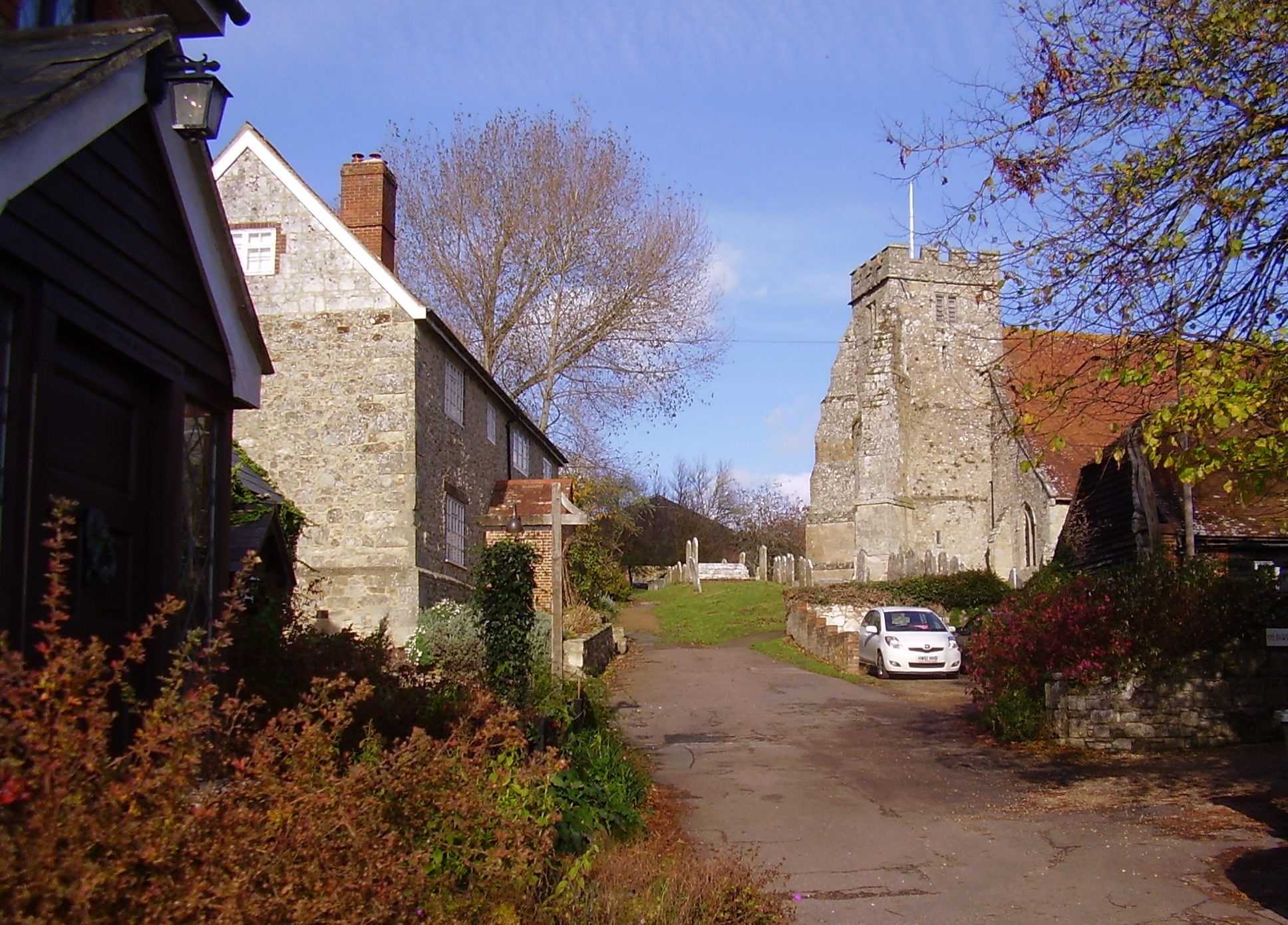


































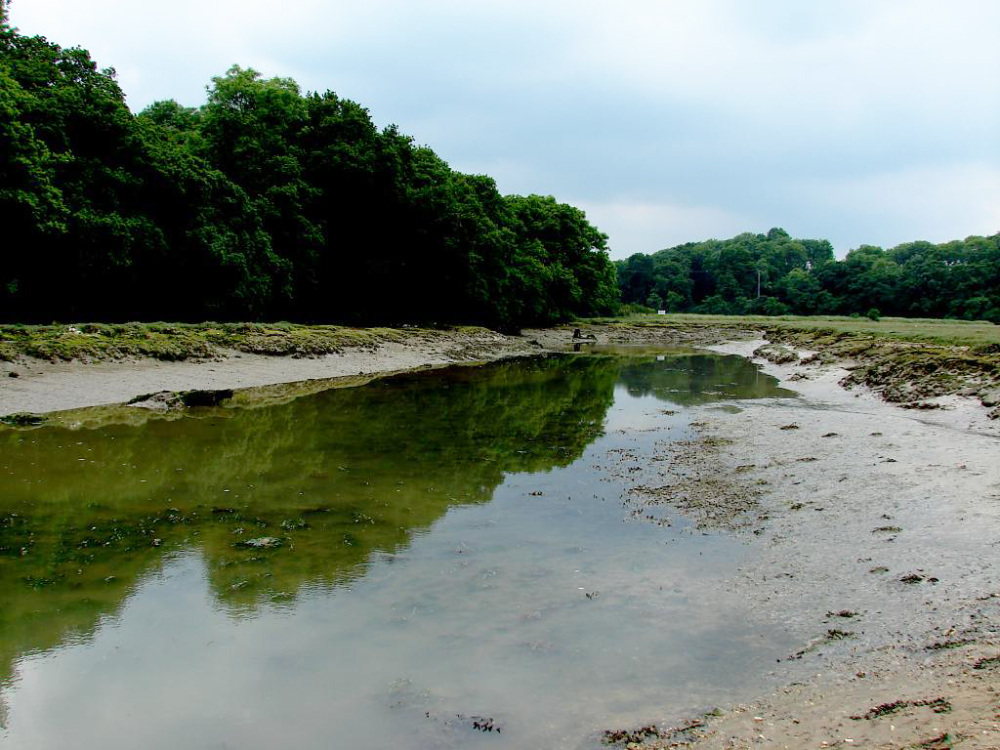

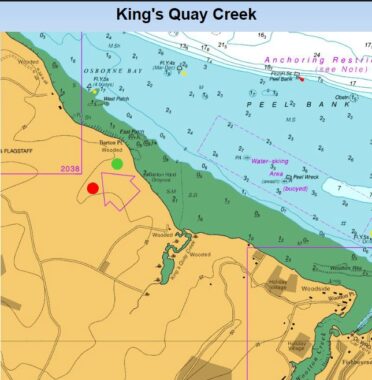
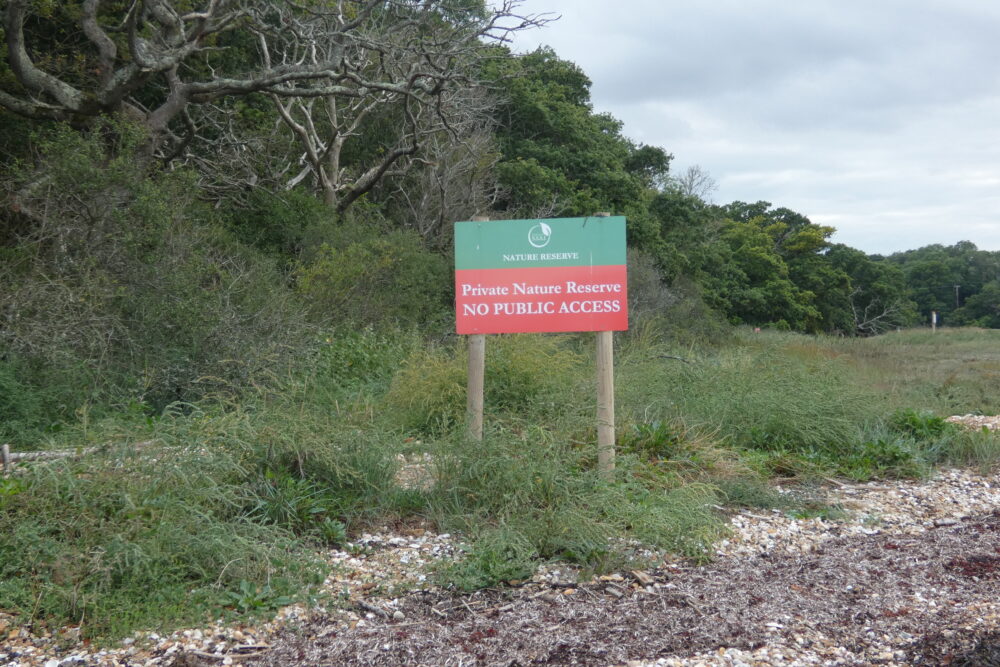
King’s Quay, on the Barton Estate near Wootton is very difficult to access. The only road there (leading from Alverstone Road, Whippingham) is marked private. There is no landing for boats and the whole area is marked as a Site of Special Scientific Interest (SSSI).
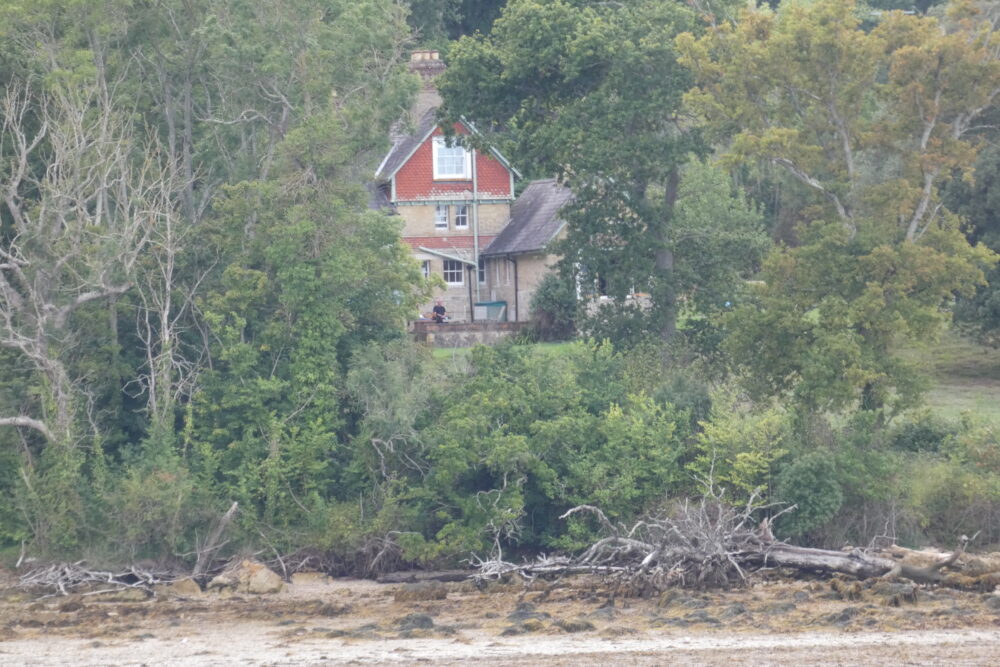
There is only 1 house at King’s Quay – a gatekeeper’s lodge – built as part of the Barton Estate in 1862 and purchased by Queen Victoria in 1867.


The secluded house – with its own private road – was put on the property market this year for a cool £3.5 million.
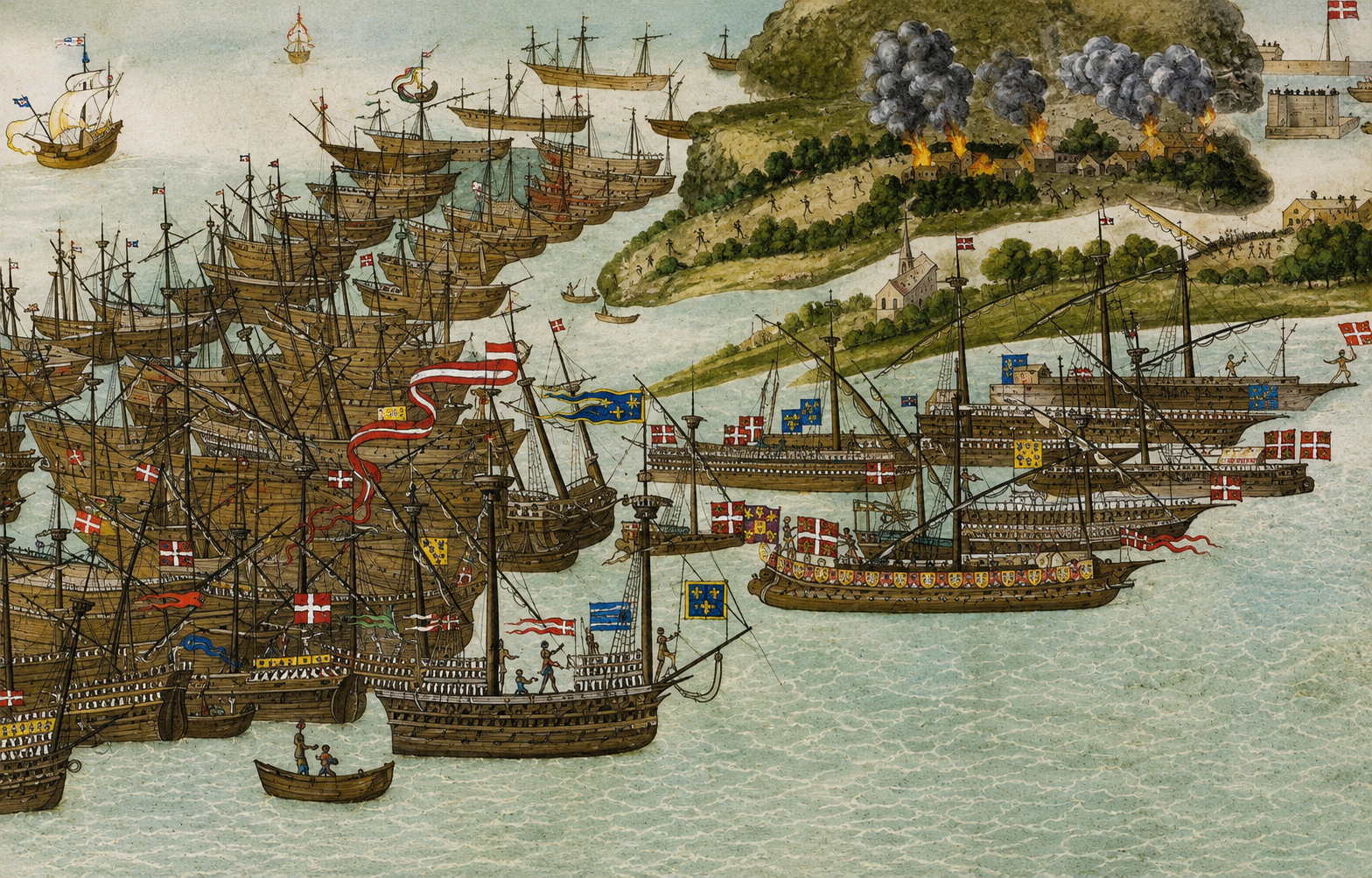
King’s Quay has not always been isolated and uninhabited. Between 1066 and 1539, the village of Shoflet or Shoesflet lay somewhere around the wooded inlet now known as King’s Quay.
The name Shoflet derived from Old English fleot (creek or estuary) and scoh (shoe). The scoh was probably a reference to a shoe-shaped spit of land.
Archaeological finds in the vicinity show evidence of human habitation such as red bricks, thick blue slate, tiles, 13th century pottery and other stoneware. Radiocarbon analysis of the timber show buildings in Shoflet to have been constructed in the period between 1210 and 1490 AD.
Shoflet was said to be the site of a medieval market of stolen goods: the plunder of Island pirates upon French and Spanish shipping.

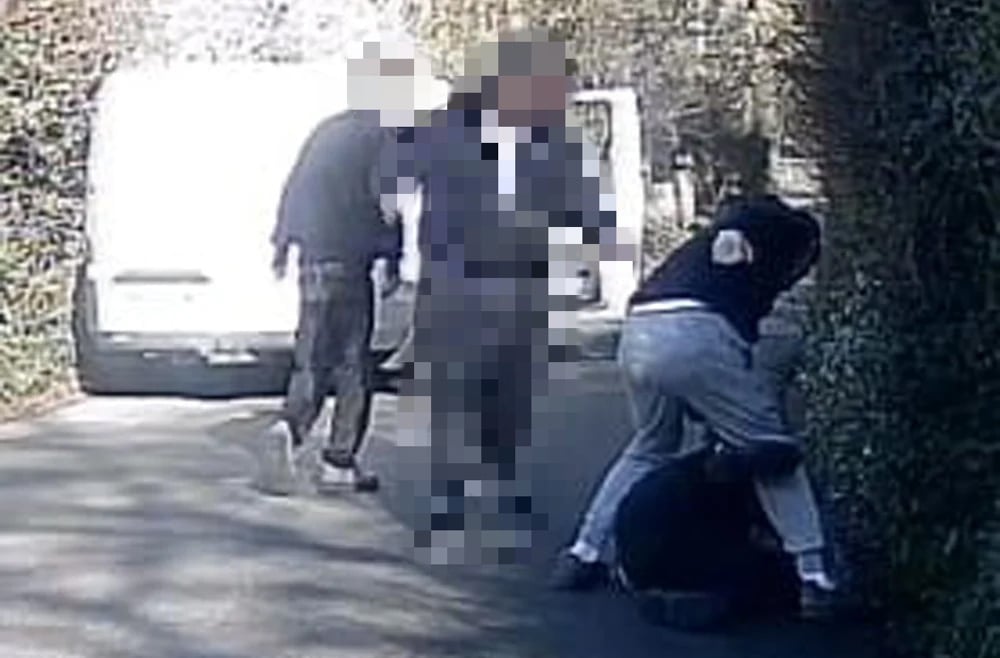
Court records show evidence of unruly behaviour of the inhabitants of Shoflet. On 5th January 1388, 2 men – Nicholas Baker and Richard Drynkwater – were having a fight; John Carter attempted to separate the pair. However, Nicholas Baker struck John Carter twice on the head with a bottle of beer, intending to kill him. In self-defence. John hit Nicholas Baker on the head with a stick, from which he died.
The name King’s Quay (King’s Key) was 1st used in 1769, the vicinity having been called King’s Haven in 1693. The modern name for King’s Quay derives from a supposed association with King John (1166-1216).
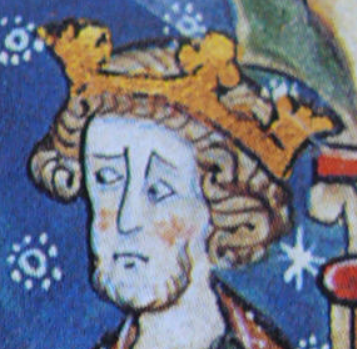
After signing the Magna Carta in 1215, King John is said to have retired to the Island. His host would have been Brian de Insula of Barton, who had witnessed the document.
John’s purported visit to the medieval village of Shoflet (King’s Quay) was the basis for the following legendary tale:
In 1215, fisherfolk living in the cottages along the banks of Shoflet (King’s Quay) were alarmed by the arrival of 4 large vessels. At first, they thought the visitors were Danes come to pillage and burn, but the new arrivals turned the inhabitants out, and took their hovels for themselves.
The strangers appeared to want to take up permanent residence as costly furs, haunches of venison, and casks of wine were unloaded and taken ashore. One fisherman asked if the gentlemen were intending to stay long.
The chief told the fisherman to keep his mouth shut, indicating that if he were indiscreet, he would be hung from the nearest tree. He carried out his threat, believing the hanging would act as a deterrent.
Whilst the fisherman was still kicking, one of the men asked if he should pull on the victim’s legs to break his neck. He was told to leave him alone, and when the body had stopped kicking, to throw the carcass away.
The man replied:
“I don’t think he is dead yet, and he may recover.”
The chief answered:
“It doesn’t matter if he does. I only did for a joke”
The chief was King John.
King John went for a walk in the woods, where he found a beautiful young lady sitting on a log. He was taken with her beauty and sat down beside her.
The young lady shrank away from him, but King John – not used to rebuffs – persisted. She demanded to know who he was, and by what right a lowly fisherman could approach someone of her rank.
John replied that he was no fisherman but was, in fact, the king.
The young lady shrank away in horror, exclaiming:
“You can’t be, I know however that the king is profligate, wicked, and cruel, but even he would never have hung a poor man in jest. That poor man still lives, he was brought to our house, and I nursed him back to health”.
With that she made off, but King John tried to detain her. At that point, several armed men appeared. She turned to the king and told him he was outnumbered, and he was lucky that she did not tell the men to hang him.
King John was furious that he should have been thwarted and made to look a fool. He was determined that she should be his prize.
Isabel (the lady in the wood) was about to retire for the night at Wootton Hall when she was disturbed by a loud knocking. Her steward went to the entrance to ask who was creating such a noise.
Isabel recognised the king and ran through a door at the back of the hall and drew the bolts behind her. The king ordered his men to smash down the door with axes and soon caught her.
Isabel was dragged away from the house, followed by the king and the rest of the men. Soon, they entered the wood, when suddenly one of the king’s men fell to the ground pierced by an arrow. Another arrow scored the ribs of King John.
“Treason” cried the king, to which a disembodied voice replied:
“I only did it for a joke”.
Isabel was released, and the armed men ran off, followed by the king.
The following day, the king and his followers left the Island to meet up with foreign soldiers at Dover.
The taunt “I only did it for a joke” would for ever echo King John’s ears.










Wow, another really interesting tale. I had heard of King John being at Kings Key, but never heard that tale before.
Thanks so much.
As a young boy sea scout in the late 1940s we traveled by boat to Kings Quay and camped, when the tide was out it was good fun to slide across the mud and then jump in a pool which was left by the water after discharging through the sluce gate. Happy days
Love this series. Only got to Woodside Beach last year for the first time and wondered what was around the corner. And, Lower Woodside Road, not Woodhouse
Most of which is absolute twaddle.
We used to own a caravan at the original woodside bay caravan park and I used to enjoy walking along the beach at low tide round to Kings Quay it was a great place to go Beach combing. We were also told by a local that Woodside and Kings Quay were used by the Allies to help prepare for D day and I remember at the East end of Woodside Beach what looked like part of a sea defence Structure. Also does anyone remember a small house at woodside which was called Bag end. How did it get that name ?
Yes, I was born in that little house in 1958. My Dad built it, and apparently put some medieval clay tiles above the fire place. Alas whoever demolished it probably chucked them out. Mum named the place Bag End because she was obsessed with hobbits at the time! It had oak trees and a cosy little courtyard out the front, and a little natural pond with newts in it. Sad to see all that gone now.
Absolutely love these fantastic articles. Keep them coming Island Echo, although I fully expect that some of the usual moaners ( we all know who), will put in their puerile comments.