



















































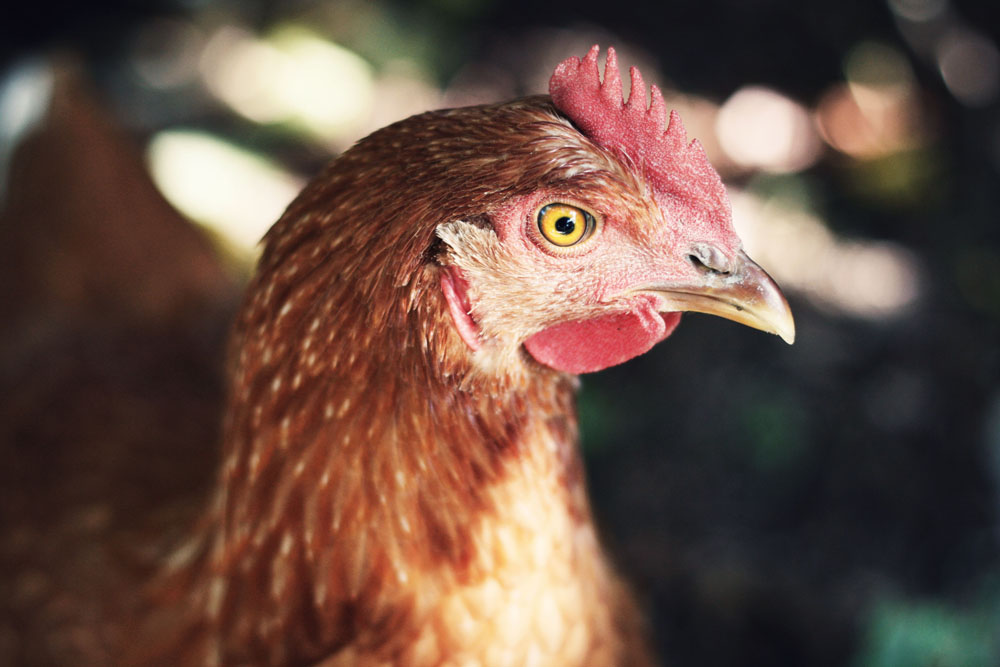

 An Avian Influenza Prevention Zone (AIPZ) has been declared across Great Britain, meaning all bird keepers – including pet birds, commercial flocks or just a few birds in a backyard flock – are required by law to take a range of biosecurity precautions.
Bird keepers should be cleansing and disinfecting equipment, vehicles and footwear and where there are more than 50 poultry or other captive birds, a foot dip containing Defra-approved poultry disinfectant at the correct dilution rate should be placed at strategic points.
In addition, feed, water and bedding should be stored undercover and steps should be taken to prevent access by wild birds and to minimise the risk of virus contamination.


Ducks and geese should not be kept in the same pen or building as other poultry species and there should be no direct contact with poultry or other captive birds on other neighbouring premises.
Efforts should be taken to limit the movement of people, vehicles and equipment to and from the premises, also limiting access to the birds to those looking after their welfare, collecting eggs or feeding.
Bird keepers should ensure records are kept of those who come into direct contact with poultry, as well as records of bird and egg movements.
To assist all bird keepers in complying with the new rules, the Government has updated the biosecurity guidance and self-assessment checklists.
The decision to implement the AIPZ on the 3 November 2021 was made due to evidence from Europe and on avian influenza findings in wild birds in Great Britain. It follows a risk assessment containing the latest scientific evidence and veterinary advice.

The AIPZ does not include a requirement to house birds, however, this is being kept under constant review. With the increased risk of avian influenza during the winter, the need to include a mandatory housing requirement in the AIPZ may happen.