





































































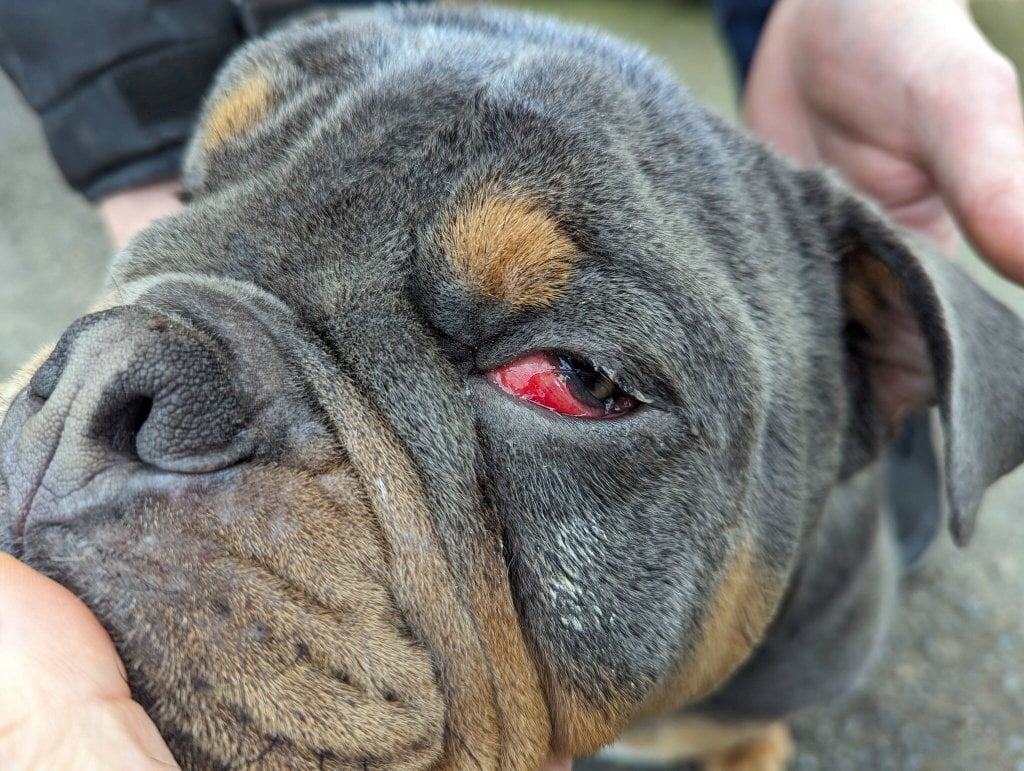

Reports of animals being deliberately beaten on the Isle of Wight have risen by 59% since 2021, with new RSPCA figures revealing 46 incidents were reported to the charity last year.
The Island figure has increased from 29 reports in 2021, while a total of 194 reports were recorded between 2021 and 2025.
The concerning local increase comes amid an even sharper rise nationally, with the RSPCA revealing that 16,033 beating incidents were reported last year – almost double the 8,459 recorded in 2021, representing a 90% increase.


The charity now receives a report of an animal being beaten every 15 minutes, with beating incidents accounting for 85% of all animal cruelty complaints made to the RSPCA.
Dogs and cats are most commonly subjected to these attacks, although other animals are also victims.
According to the charity, the person responsible can sometimes be someone within the pet’s own family – the very person expected to protect the animal.
The figures have been released as part of the RSPCA’s Cruelty Hurts, Love Rescues campaign, which coincides with the charity’s busiest period as reports of cruelty peak during the summer.
RSPCA Superintendent Jo Hirst has said:

“It’s incredibly distressing to see such a massive rise in reports of intentional beatings with one report coming to our cruelty line every 15 minutes. These are often upsetting cases where animals – usually pet cats and dogs – have experienced deliberate and horrific violence – leaving animals with not only physical injuries but mental scars as well.
“The reasons why an individual acts in this way can be down to a multitude of factors – if they are struggling with behavioural problems or their mental health, they may have violent tendencies generally, or sometimes pets are used as part of coercive control, or simply the perpetrator has a complete lack of empathy for animals.”
RSPCA rescuers have praised members of the public for helping tackle animal cruelty through both donations, which keep officers on the frontline, and reports made to the charity’s emergency line.
Jo continued:
“To help rescue animals from these situations we rely on the public to be our eyes and ears and report any concerns about animal abuse to us and we are grateful that so many people do and are more aware of the problem.
“We’re also finding that CCTV footage, doorbell cameras and smartphones are providing a view into society that we never had before, meaning that animal beatings are more likely to be caught on camera in supermarket car parks, on streets, in lifts, and even behind closed doors in the home.”
The RSPCA says the increasing prevalence of cameras could be one factor behind the rise in incidents being detected and reported.






































Such cruel uneducated B’stards needs locking up
they obviously have mental health issues to
attack innocent animals.
They’re just cowardly sick scum of the earth. Stick them in the stocks at Brading and let us chuck s**t at them and give them a birching. Makes my blood boil, disgusting low life dregs.
Great idea
Those found guilty of this crime should be beaten in the same way
Photograph or video anyone doing harm to animals and call police or if your able to get anywhere with the RSPCA get them to respond but don’t expect any urgent action from them.