


































































Local charity Final Straw Foundation will be installing 10,000 native oysters in marinas across the Solent this winter as part of a major restoration project aimed at improving water quality and boosting biodiversity.
The native European flat oyster population has declined by 95% across Europe since the 1800s, largely due to overfishing, pollution and habitat loss.
Under the guidance of the Blue Marine Foundation, the Final Straw Foundation is working to reverse this decline by placing 10,000 broodstock oysters in local harbours and marinas. These oysters will reproduce and release larvae into the water, where they can settle on specially prepared seabed reefs.


Dr Luke Helmer, Restoration Science Manager at Blue Marine Foundation, has said:
“It’s amazing to see long-term plans falling into place! Handbooks and how-to guides were created from all the lessons learned by the University of Portsmouth and Blue Marine Foundation teams in the hope that the baton could be passed on as we can scale up seabed restoration sites.
“It is amazing that two organisations have now done this in the Solent and will keep the larvae flowing, this is critical to populate the seabed sites and establish large seabed populations. With this now taking place across the country, I am excited to see the evidence build and showcase the importance of the native oyster for people and nature.”
Each adult oyster can filter up to 200 litres of water per day. As well as helping repopulate native oyster beds, the project will assess the impact of oysters on water quality, including their ability to reduce pollution and excess nutrients in the Solent.
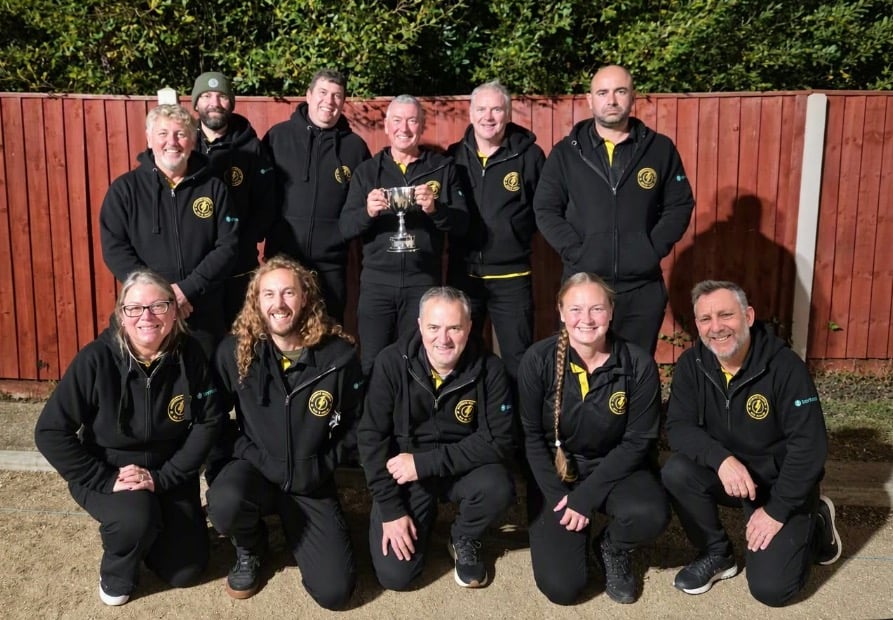
The Final Straw Foundation will be supported throughout the project by a team of dedicated volunteers, assisting with everything from planning and preparation to installation and ongoing monitoring. The University of Portsmouth’s Institute of Marine Sciences is also supporting the initiative by providing facilities for oyster scrubbing events.

Hannah Cooper, Campaigns Officer at the Final Straw Foundation, enthuses:
“We are showing that real conservation and ecosystem restoration is not out of reach for everyday people. You don’t need a massive team or a vast academic background to get stuck in with positive action for our planet.”
Native oysters provide a host of benefits to marine ecosystems, including improving biodiversity, preventing algal blooms, removing excess nutrients and stabilising seabed sediment. The restoration team will monitor local biodiversity and water quality metrics, such as pollution indicators and nutrient levels, on a monthly basis.
The Final Straw Foundation is currently looking for more volunteers to help with the project. Islanders who are interested in getting involved can find out more at www.finalstrawfoundation.org.















Yummy