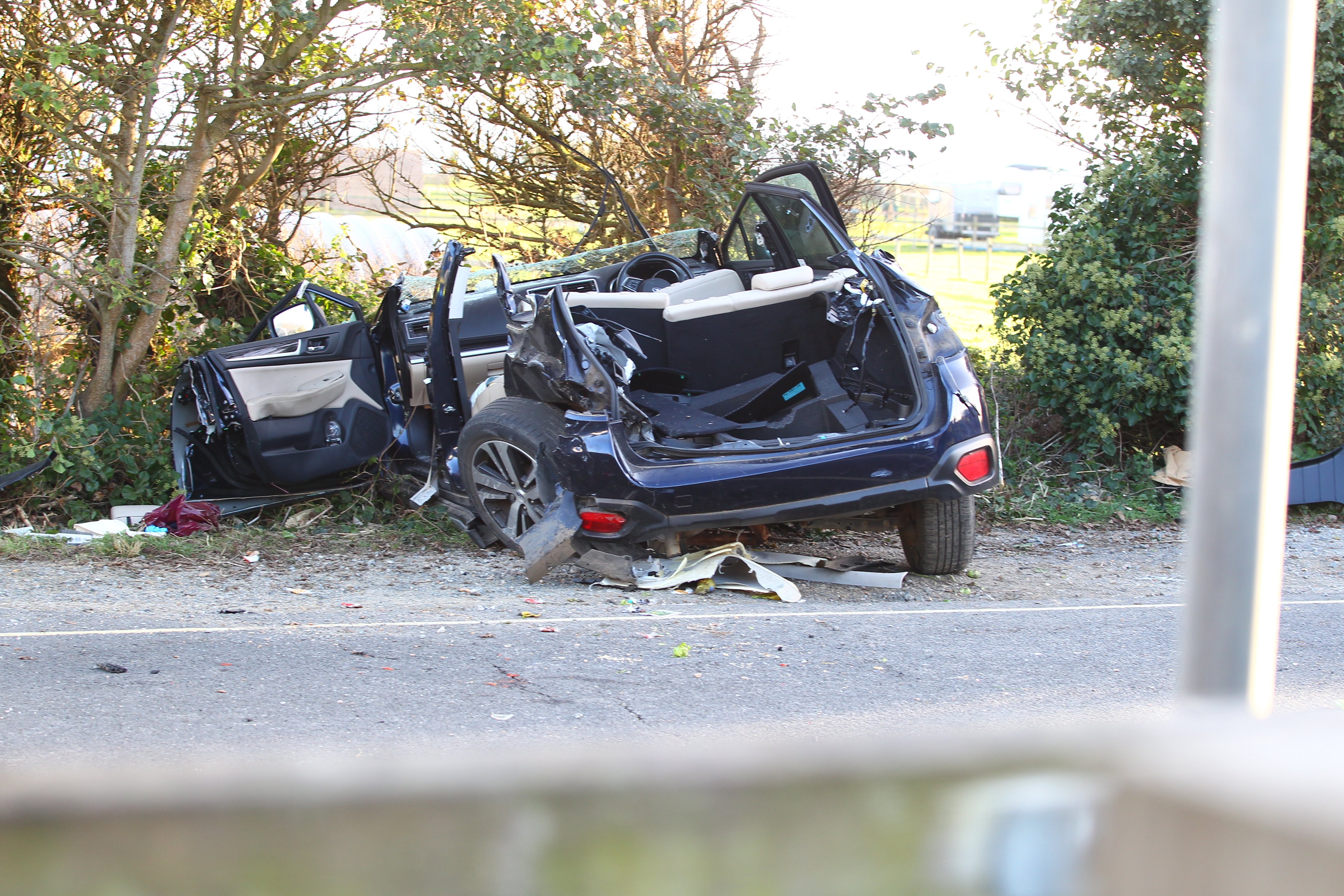



























































The data indicate that in 2024, there were 29,537 killed or seriously injured casualties, a figure largely consistent with 2023. By contrast, the total number of casualties across all severities fell to 128,375, marking a 3% year-on-year reduction, which translates into the fact that fewer people were hurt overall in car accidents. Road safety experts emphasise that this plateau in serious injuries and deaths means more targeted interventions are required, such as addressing high-risk groups (e.g., young and elderly drivers, pedestrians, motorcyclists).
Ireland recorded 172 fatalities on public roads, which marks a reduction of 11 fatal collisions and 8 deaths, representing a 4% decrease compared to the figures for 2023. Attention must be paid to the fact that incidents that occur in places such as car parks are excluded from the Road Safety Authority (RSA) official figures in line with historic trends and EU conventions. An Garda Síochána (AGS) may include these collisions because they document incidents that take place in public areas, which explains why the two sets of numbers may differ.
To Understand This Phenomenon, We Need To Look At The Bigger Picture
In the past few years, Britain and Ireland have advanced road safety technology through innovative enterprises, supportive government policies, and a shared commitment to the Vision Zero objective of eradicating traffic fatalities by 2050. Nevertheless, despite near-record reductions in crash and injury rates, fatal outcomes persist at disproportionately high levels, suggesting that improvements in vehicle safety and infrastructure have not yet translated into proportional reductions in the most severe outcomes. Today’s vehicles offer far better protection than ever, but we may never completely eliminate accidents or deaths.


While automotive technology continues to advance, the unpredictability of driver conduct endures: issues such as noncompliance with seatbelt laws, alcohol consumption while driving, and mobile phone use behind the wheel pose risks that engineering solutions alone can’t resolve. The good news is that social behaviours and cultural norms can evolve at a pace comparable to technological advancement, offering a pathway to safer roads. Road safety communication campaigns help inform, persuade, and motivate people to change attitudes and behaviours, ultimately championing safer streets.
Which Actions Usually Lead To Fatal Car Accidents?
Of the many potential causes, addressing specific risk factors is of the essence to reduce fatal and serious injury crashes:
Distracted Driving
Distracted driving occurs when someone lets their attention wander from the road to other activities, such as talking on the phone, adjusting the radio, programming the GPS, or looking/reaching for something on the passenger seat. Distractions threaten the safety of drivers, passengers, and fellow motorists alike. Not all families choose to pursue legal action, and the majority of claims in Britain are resolved through settlement rather than trial. In much the same way, when considering the complex and sensitive nature of fatal car accident claims in Ireland, families often prefer negotiated outcomes rather than lengthy litigation.
Speeding
When a car is moving at high speed, the driver has less time to react to sudden dangers, as the distance travelled during their reaction time increases. High speed also lengthens the braking distance. The driver’s field of vision narrows significantly, so, for example, at 130 km/h, the visual angle is reduced to approximately 30°, greatly restricting the ability to detect and evaluate potential hazards. Motivations for speeding range from practical concerns, such as time constraints and running late, to psychological drivers, including sensation-seeking, aggressive behaviour, and the perceived need to maintain pace with other vehicles.
Impaired Driving
Many of the accidents and deaths that occur on British and Irish roads are attributable to drivers whose abilities are compromised by psychoactive agents, whether alcohol (beer, wine, spirits), illegal drugs (cannabis, cocaine, methamphetamine), certain medications (sedatives, strong painkillers, sleeping pills), or a mixture of these substances. To drive safely, one must maintain focus, exercise good judgment, coordinate effectively, and react quickly to the surrounding environment. To prevent impaired driving, people should arrange alternate transportation, such as public transit, a taxi, ride sharing, or a designated driver, or plan to stay overnight.

Proactive Safety Measures Help Reduce Fatal Car Accidents
Road safety is an important part of everyday life. Across Britain and Ireland, people use the roads (and sidewalks) to get to work, school, stores, and home, so we must ensure they arrive at their destination safe and sound. Addressing this challenge calls for a comprehensive approach to improving safety that draws on the expertise of various stakeholders and decision makers across multiple disciplines and perspectives. In certain cases, safety improvements for one group of road users may unintentionally create risks for others, and even mobility enhancements can compromise safety for the very group they’re meant to benefit.
Stricter traffic regulations are generally effective in reducing fatalities on the road. Examples of such regulations are mobile phone texting bans and mandates for safety equipment such as helmets, seat belts, airbags, and child restraints. Britain enforces strict laws against using handheld mobile devices while driving, with penalties including fines and points on a driver’s license. Seat belt use has been mandatory since the 1980s, and child restraint laws are applied without exception. Ireland’s RSA implements seat belt use, helmet laws for motorcyclists, and child restraint requirements.
If someone is killed or badly hurt on the roadways, the ripple effects stretch far and wide. Victims who survive traumatic injuries suffer serious or life-altering injuries that require extensive hospital stays and lost wages, to say nothing of the emotional costs attached to these collisions. These losses can send victims and their families into an economic spiral, from which they may never fully recover. By means of education and enforcement, we can change the narrative and help our communities understand once and for all that traffic safety is a priority. Public campaigns typically include email, social media, newspapers, ads, public forums, and other localised means.
Wrap-Up
Safety will continue to take precedence as we begin to share the roads with older vehicles, bicyclists, and pedestrians. Our past can give us answers, but only if we’re willing to learn from it, and each lesson reminds us that complex problems can be solved when communities, governments, and industries work together.