
















































Opened in 1875 on the Ryde & Newport Railway, Whippingham Station quietly linked parish life with the orbit of Osborne House.
Whippingham was constructed as one of the original stations on the Ryde and Newport Railway when the line opened in 1875. From the outset, its location gave it distinction. Set in open countryside within easy carriage distance of Osborne House – Queen Victoria’s Isle of Wight residence – it quickly became known as the station most closely associated with the royal estate.
Visitors bound for Osborne could disembark here and complete the remaining two miles by horse and carriage along estate roads bordered by hedgerows and parkland. It was not a grand ceremonial terminus, but a practical country station positioned with royal convenience firmly in mind.


Despite its reputation, Queen Victoria appears to have used Whippingham only once. In February 1888, she travelled from here to Ventnor to open an extension to the National Consumption Hospital. The royal association nevertheless endured, reinforced by Osborne’s continued role as a favoured retreat.
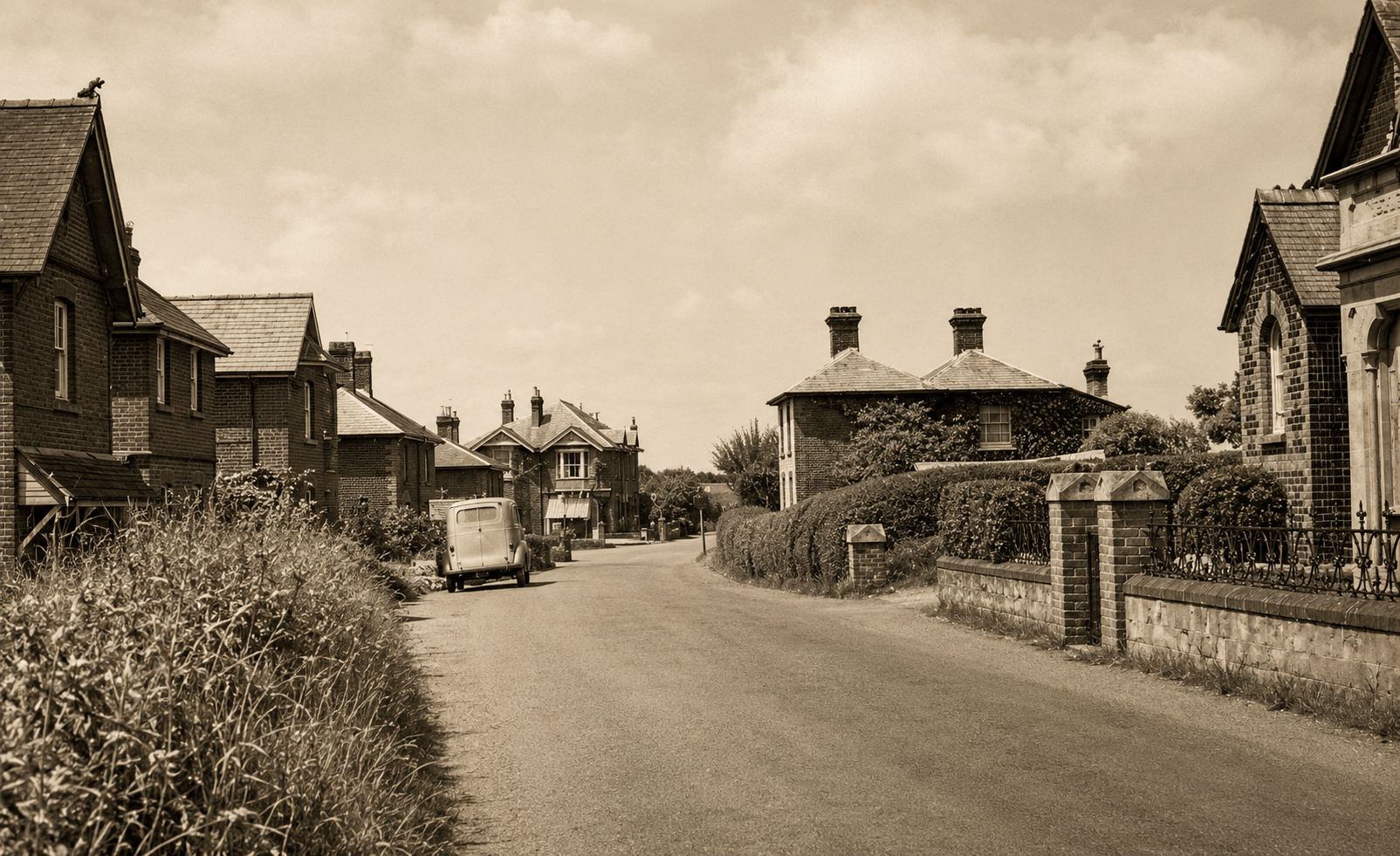
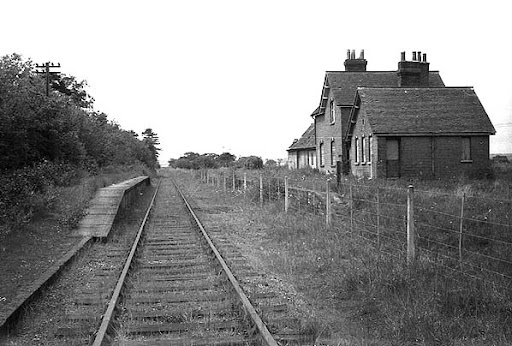
The original brick-built station building – which survives today as a private residence – was solid and well proportioned. Waiting rooms were provided, including separate accommodation for ladies, reflecting Victorian expectations. Though modest in scale, it possessed a certain dignity appropriate to a station serving a royal estate.
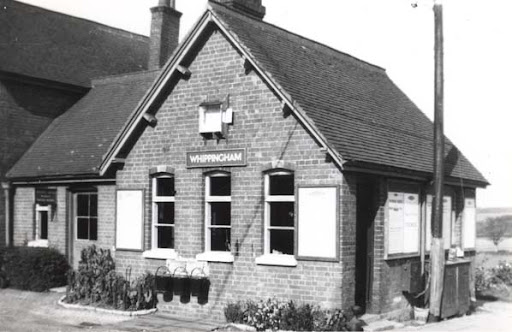
Operationally, Whippingham began with a single platform. In 1912, the Isle of Wight Central Railway installed a passing loop. Rather unusually, the arrangement placed the original station building on the up loop line rather than on the main running line – an uncommon configuration for what was essentially a lightly used rural stop. Steam locomotives working between Ryde, Cowes and Newport would slow, exchange passengers or cross here, then settle back into their steady rhythm along the Island’s principal route.

Passenger traffic was steady rather than heavy. Estate workers, parishioners attending St Mildred’s and local families formed the core of its users. Compared with busier stations at Ryde, Cowes or Newport, Whippingham retained a peaceful air, its significance lying more in who it served than in how many.
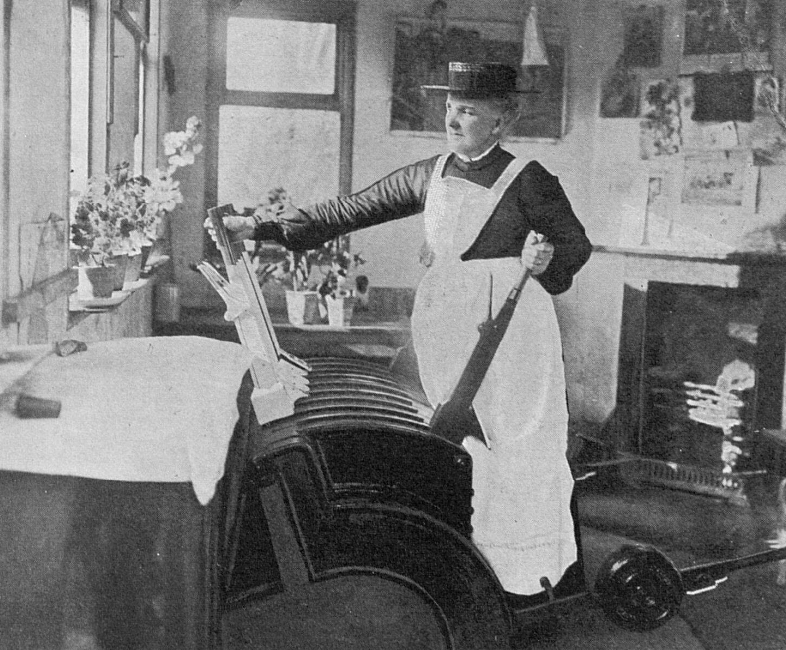
In 1900, Emily Merwood succeeded her father-in-law as stationmistress, becoming one of the few women to hold such a post at the time. Her tenure remains one of the more distinctive personal chapters in the Island’s railway history.
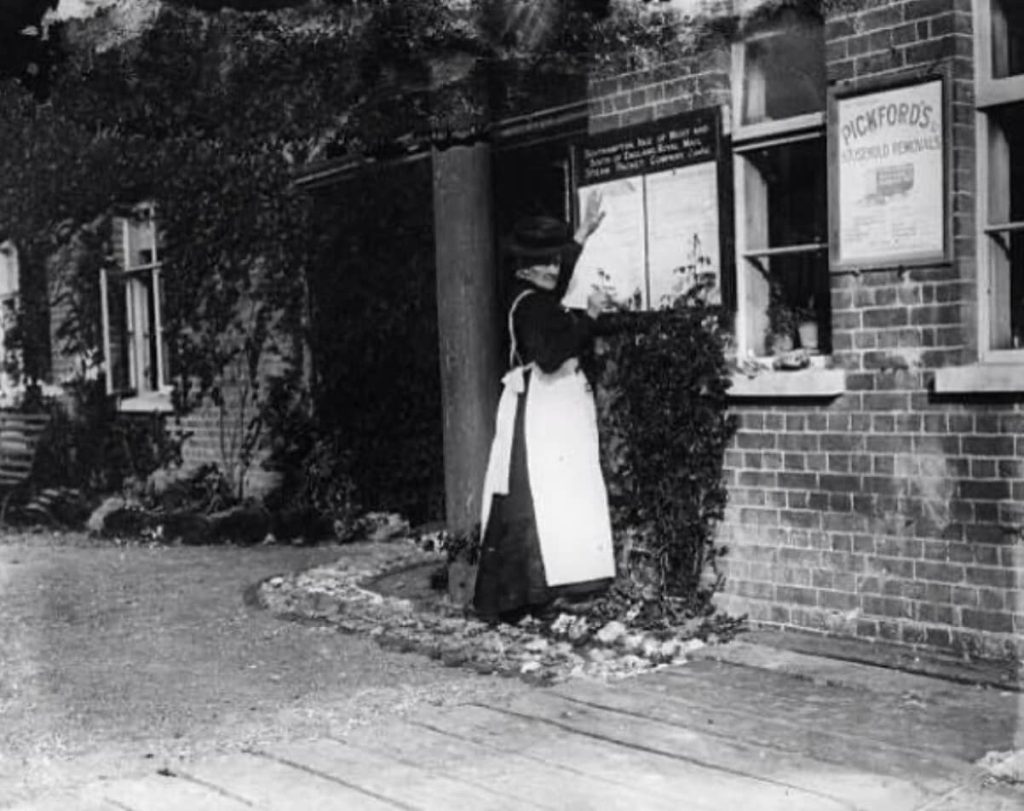
By the mid-20th century, the station was firmly woven into local routine. A resident of Binfield Corner in the 1940s and 1950s later recalled frequent use while his father worked on the railway. At that time Percy Primmer was stationmaster. He kept a parrot in the waiting room — a bird remembered for nipping anyone who ventured too close. Separate ladies’ and main waiting rooms were still in use, vestiges of Victorian propriety surviving into the post-war period.
Whippingham closed to passengers on 21st September 1953, along with Wootton. Yet the passing loop remained operational until 1956, allowing trains to cross even after the platform had fallen silent. For the final decade of the line’s life, steam gave way to quieter traction, but trains simply passed through without stopping.
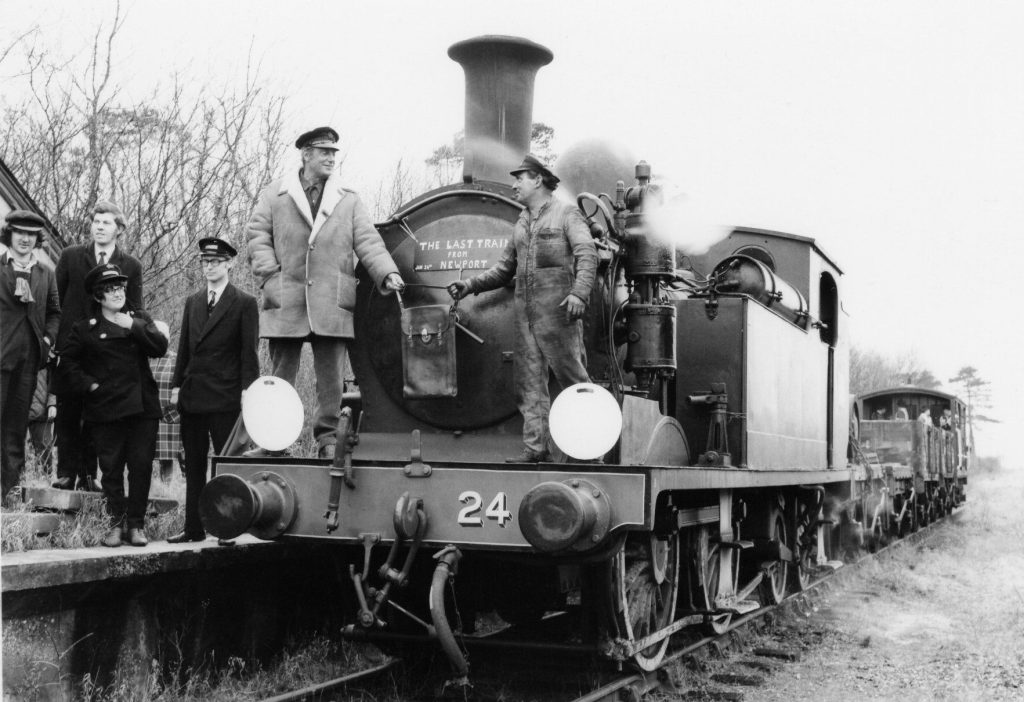
There were rare exceptions. One former observer remembered a single post-closure halt to set down permanent way men. The last train to stop at Whippingham came on Sunday 24th January 1971, when the afternoon goods stock working paused briefly as the Wight Locomotive Society transferred rolling stock from Newport to Havenstreet. The freight halted long enough for a letter to be handed over for delivery to the Isle of Wight’s Member of Parliament – a small but symbolic moment at a station long closed to ordinary passengers.
In 1961 the Island’s crematorium had been constructed nearby. During the last years before passenger services ceased entirely in February 1966, a crude slogan appeared on the small shelter: “Bake House Halt.” It was an ill-judged reference that passing passengers could scarcely ignore.
The line closed in 1966 and the rails were lifted soon afterwards. Unlike many Island stations, Whippingham’s main building survived. The former trackbed later became part of a public path and cycle route, preserving the railway’s alignment through the landscape. In 2015, the old station house – once built with royal convenience in mind – was offered for sale as a five-bedroom home at £625,000.
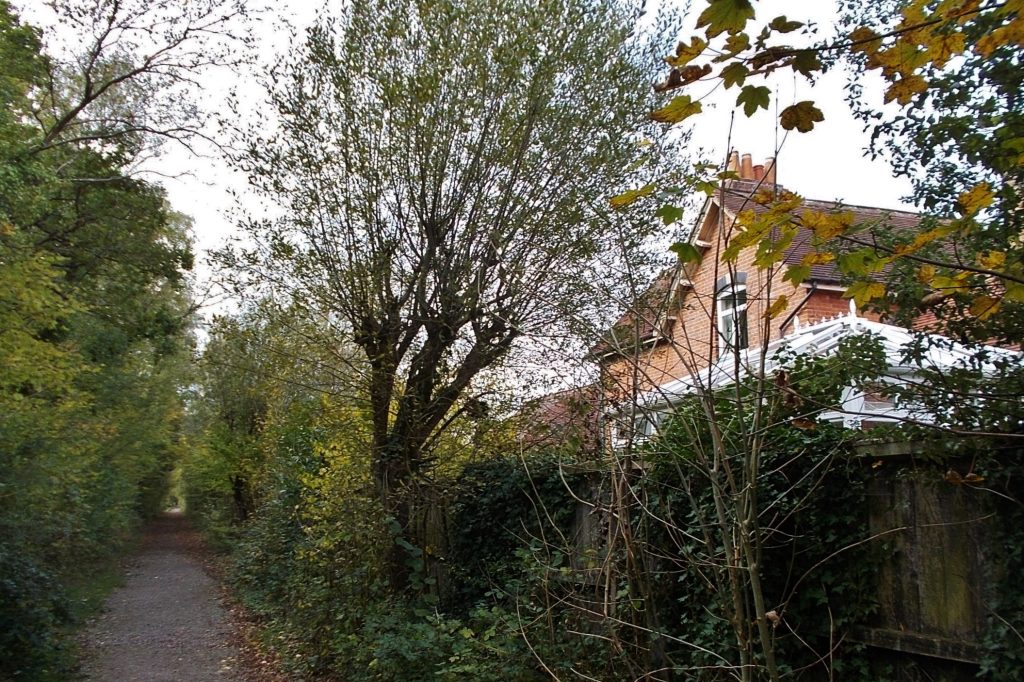
Today, the curve of the path and the surviving brickwork still mark the spot. Whippingham was never large and rarely busy. It was a station built for a queen and served by steam, sustained by a parish and remembered for the quiet interplay between monarchy and everyday Island life.







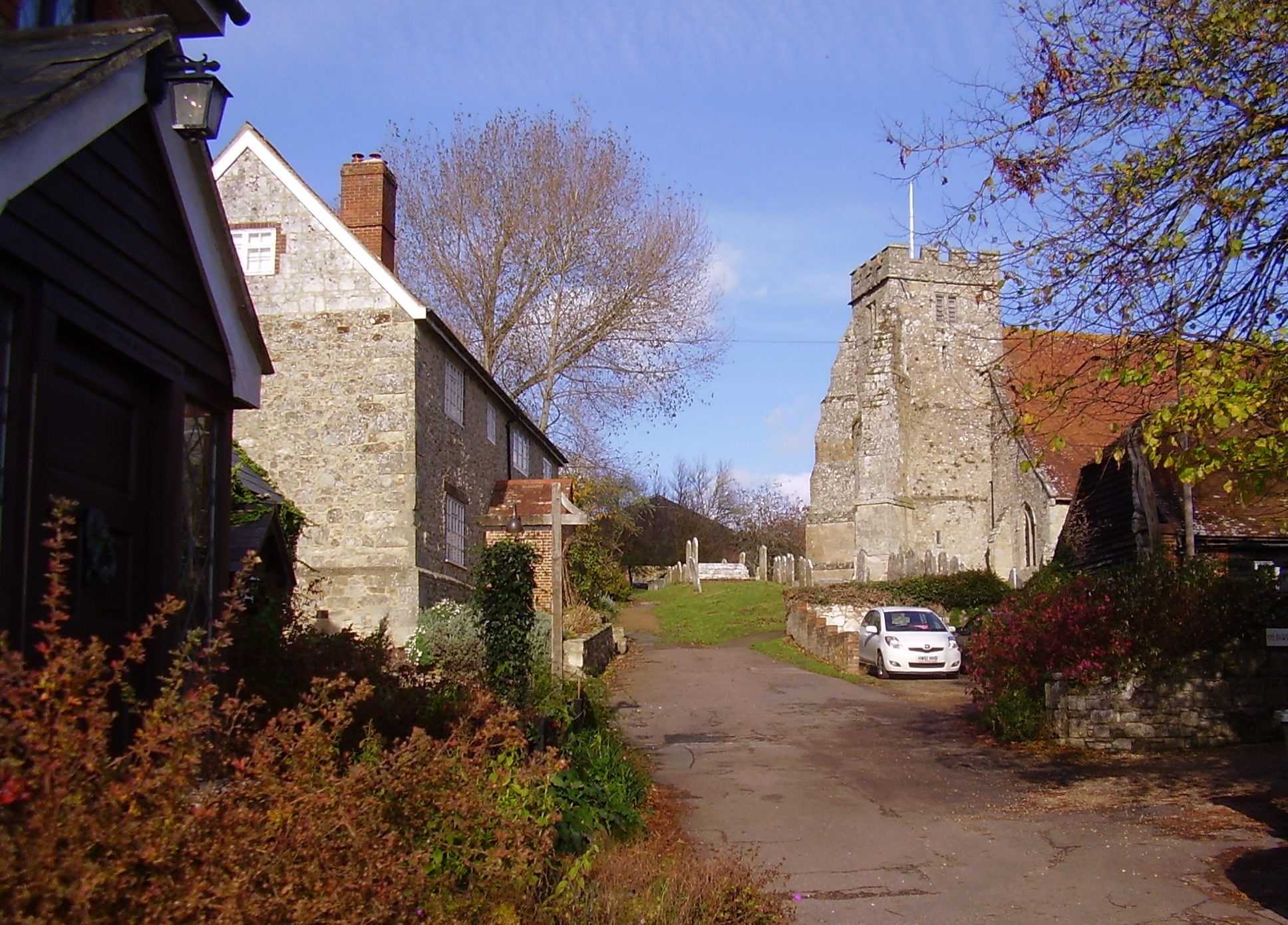
Near St Mildred’s Church???
Great article, it would be great to see the re-opening
of the old island railways.
Compulsory purchases would do the trick, much
better for the environment and much safer to use.
The letter referred to was given to Mark Woodnutt, the MP, to be delivered by him to HM the Queen. It was felt appropriate that she should know that the former royal station had witnessed its last train.
She responded by thanking the WLS for the notice ‘so imaginatively conveyed’.