










































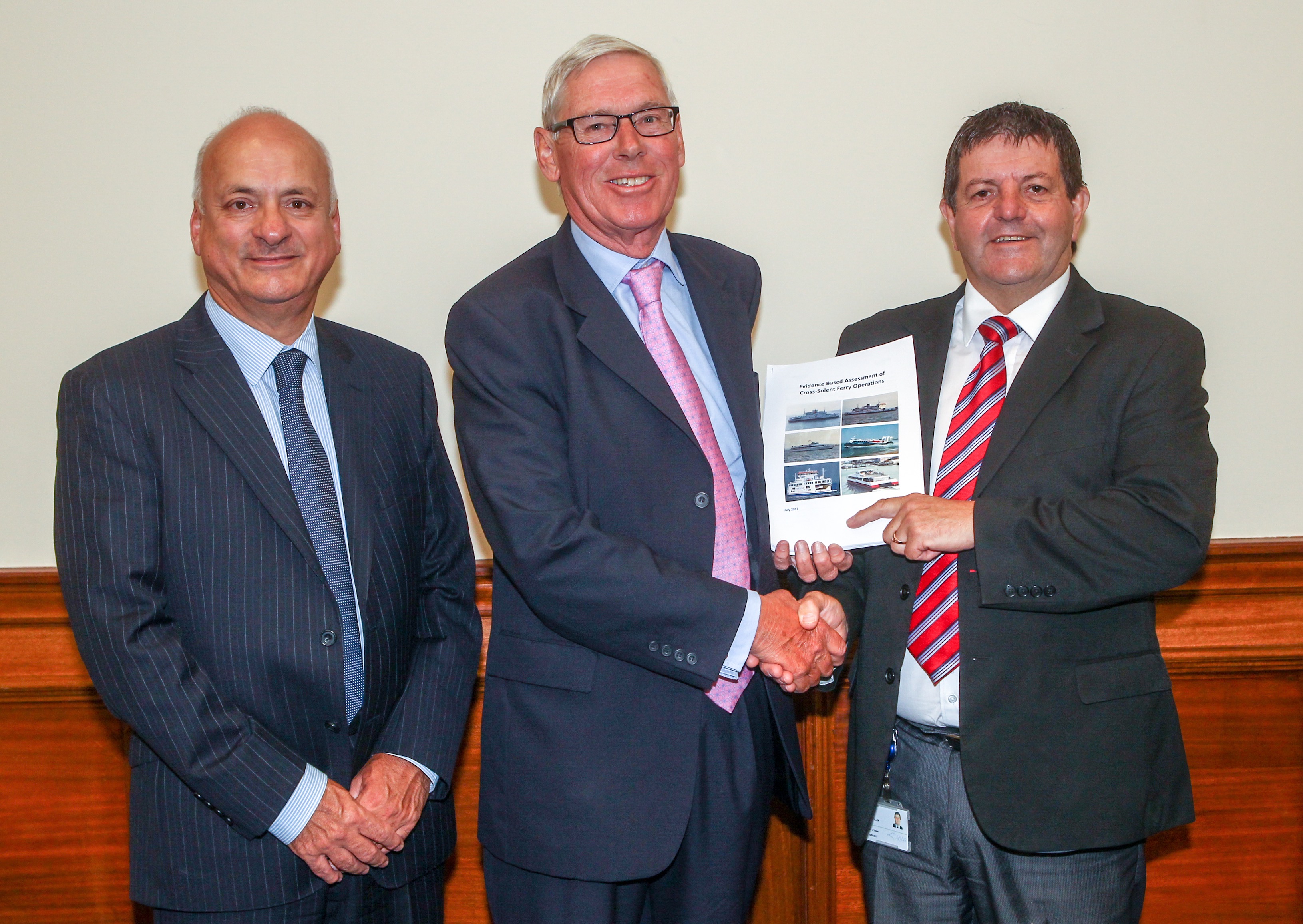

 The Isle of Wight’s Transport Infrastructure Task Force has formally handed over its report and recommendations to the Isle of Wight Council this morning (Wednesday), which highlights the need for a long term strategy for congestion in and around Newport; the modernisation of Island Line including a 30-minute services and improvements to terminals at Ryde Esplanade, Cowes and East Cowes.
The report makes a series of recommendations on key transport issues affecting the Island including Cross-Solent links, Island ‘gateways’, reducing congestion, transport and greater use of technology. The recommendations will be considered by the Isle of Wight Council’s cabinet.
The recommendations on cross-Solent links include: asking the council to set up and lead a cross-Solent operators’ partnership board to discuss key issues for the economic development of the Island, as well as increased services and travel offers; lobbying central government to get financial help for those who have to travel to visit family in hospital; and for an independent study to be undertaken to evaluate the cost benefits and feasibility of a fixed link across the Solent (road or rail).


In relation to Island ‘gateways’ the report stated: “Island gateways create valuable first impressions of the Island for visitors, and many of those attending the hearings expressed concern about the quality of the current gateways.” The report recommends improvement to the terminals at Ryde Esplanade, Cowes and East Cowes.
On reducing congestion the report welcomes the recent allocation of funding for junction improvements at Newport, and recommends the inclusion of signalling improvements, and a longer-term strategy for congestion in and around Newport.
The independent task force was set up in 2016 to focus on a wide range of connectivity, intergration, regeneration and funding issues vital to theIsland’s future. It comprised a range of representives from business, tourism and official bodies – and received views from more than 40 organisations, including ferry operators, about the challenges and opportunities that transport has for Island residents.
Task force chairman, Mr Christopher Garnett, formally presented the report to Council Leader Cllr Dave Stewart and Cabinet Member for infrastructure and transport, Cllr Ian Ward at County Hall in Newport.
At the handover Mr Garnett said:

“We wanted to see how transport effects the economy of the island and how improving transport links can help the economy.
“We had around 40 groups come and see us and it became apparent that the number 1 issue with everybody was the ferries; a lot of it was around price and frequency.
“The real question that comes up is ‘as an island are we getting a good deal from the companies?”
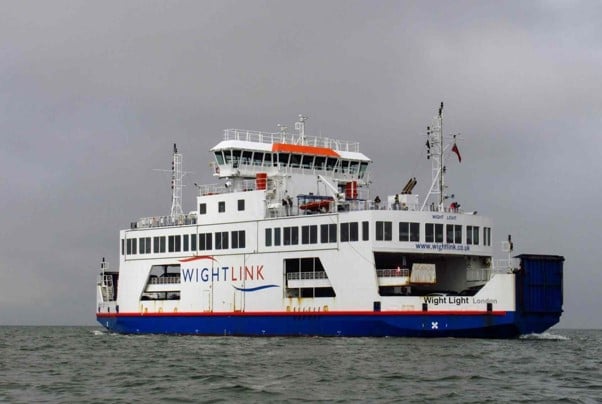
Mr Garnett today revealed that Red Funnel make 40p in the £1 and Wightlink a similar 35p in the £1. He continued:
“There is good deal for hoteliers, freight companies etc. but the people who really suffer are those who cannot afford to buy an advanced ticket. Also if you are a one man business starting up and you’re trying to get backwards and forwards you are paying high prices when you’re trying to start a business.
“The most important single recommendation we have made is for a senior commitment to a proper dialogue about how the Island gets a better deal for the ferries. It’s not a brilliant deal at the moment, but they are doing a lot.
“If we are going to get anywhere the Island has to speak as one voice, it is important that we are clear as an Island about what we want”.
Speaking about the report, Bob Seely MP has today said:
“I believe that this study should serve as the beginning of a new start, both in the Island’s relationship with the ferry companies, but also in driving transport improvement on the Island.
“First, on the ferries, they deliver a high profit on their turnover, and this helps in part to explain their high cost to Islanders. I do recognise that they have tried to be good citizens to the Island, and they do help to drive traffic and tourism. However, this report provides evidence that the firms’ shareholders have been prioritised over the needs of Islanders.
“As a first step to a more open relationship, I call on the ferry firms to be more transparent about the costs of running their business, including the cost of their debts. I support the idea of an Island Partnership Board to undertake regular and meaningful dialogue with the ferry firms.
“In general, there are various options for the Island’s future dealings with the ferry firms. They include a closer working relationship with Island representatives through the Partnership Board, a public service obligation and/or greater regulation. I want to let the Board develop a relationship with the ferry firms first before we seek other alternatives. I will be guided in part by their recommendations.

“On the fixed link, I support a feasibility study, but I want all the implications of such a link to be examined, not just the narrow economics of it, otherwise I believe a fruitless debate over it will continue. I do not personally support the idea of a fixed link, but am happy to have my opinion challenged if there is strong evidence otherwise.
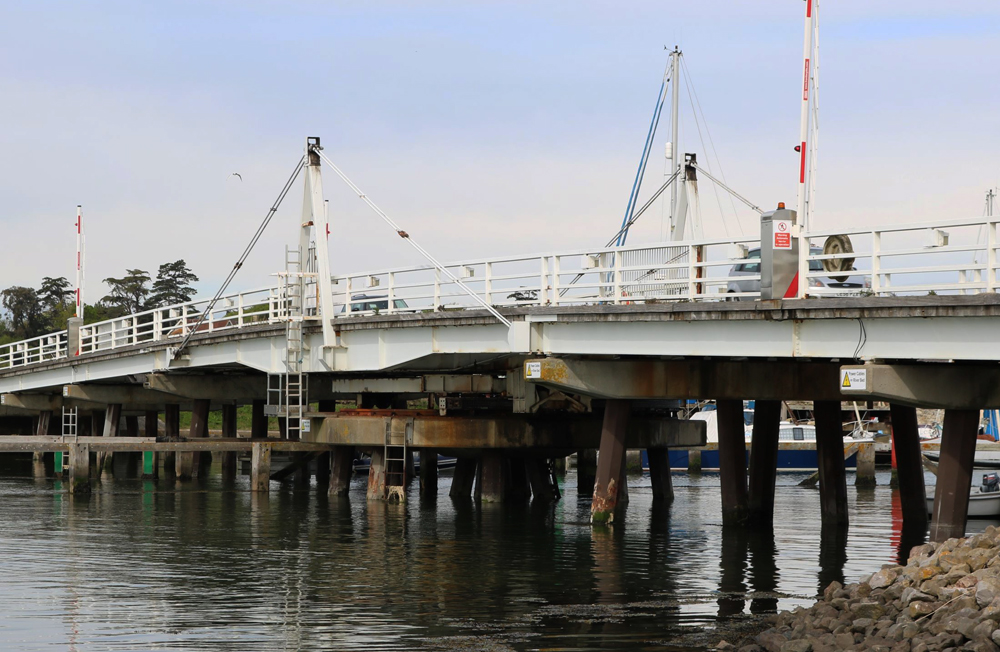
“On roads, I support the Medina River bridge. I am glad that the report recognised the success of the PFI, and pays tribute to the Council team that delivered what will soon be the best roads in Britain. It’s also great that the study identifies the relatively high quality of bus services on the Island. However, some services have been lost recently and rural communities should not be ignored by Southern Vectis.
“On rail, I’m already working with the new operator to ensure that the Island Line is improved. As part of that, we need to upgrade our Island’s gateways, including our railway stations.
“On cycles, we need both the Newport to East Cowes route and also the West Wight route. I will campaign for as ambitious a programme as possible. For both cycle and rail, I will strongly support further studies into how both can be improved and extended.
“Summing up, I want to see a renaissance on the Island in the next decade. Transport – along with other key issues such as education, elderly care, the protection of our landscape, the growth of high-tech and the knowledge economy – is a critical part of that.
“This detailed report should serve as a starting point for a bright and positive agenda for transport on our Island. We need now to work together to deliver on many of its recommendations”.
Isle of Wight Council leader, Councillor Dave Stewart, said:
“I would like to reiterate my thanks to Mr Garnett and the task force for the many hours they have given in seeking out key information and views for the compilation of this important report. Now that the council has formally received the report, our task will be to closely consider its contents and recommendations and explore how we can initiate and undertake improvements for the benefit of Island residents and visitors – alongside the many crucial economic and investment issues.
“As a council we are committed and determined to growing the Island’s economy by working closely with businesses to secure inward investment, create jobs and increase the wealth of the Island. A strong and effective transport infrastructure is a hugely important part of this, and the recommendations of the task force will play a major part as we plan ahead.”
The full task force report and recommendations can be viewed via the link: https://www.iwight.com/Residents/Environment-Planning-and-Waste/Planning-Policy-new/Transport-Policy/Island-Transport-Plan