



























































Starting a blog post is easy and requires very little technical knowledge. You can set everything up in a day and get started on your blogging career. Whether you are starting a blog for business or personal use, you need to know how to do it right so that you can give the readers useful information they can relate to.
In order to make your blog successful, you need to conduct thorough research to know what is required of you and if you are able to meet the requirements. One of the major reasons why some bloggers do not succeed is because they do not gather all the facts. Here are some tips to help you start a successful blog.
1. Identify Your Niche



Carefully think about the niche you would like to specialize in. It should be a niche you are knowledgeable in and that you enjoy writing about. Of course, research will be required for some of the blog posts you write. However, the niche you choose will be easy to write about once you have the basic knowledge and you are passionate about it.
If you would like to cut across various niches, ensure your research skills are very good in case you need to write about a topic you are not familiar with.
2. Find a Name and a Domain Name
Your blog should have a name as well as a domain name that will appear on the URL. Before coming up with a name or domain name, identify the main purpose of the blog. For example, if the blog is dealing with mothers and babies, the name of the blog can be Mother and Baby Care and the URL can be motherandbabycare.com
Getting the right name as well as a domain name is important as it will help readers get an idea of what your blog is about even before they click on a link to direct them to your blog. You can also get suggestions online if you have no idea what name to use.
3. Get Web Hosting
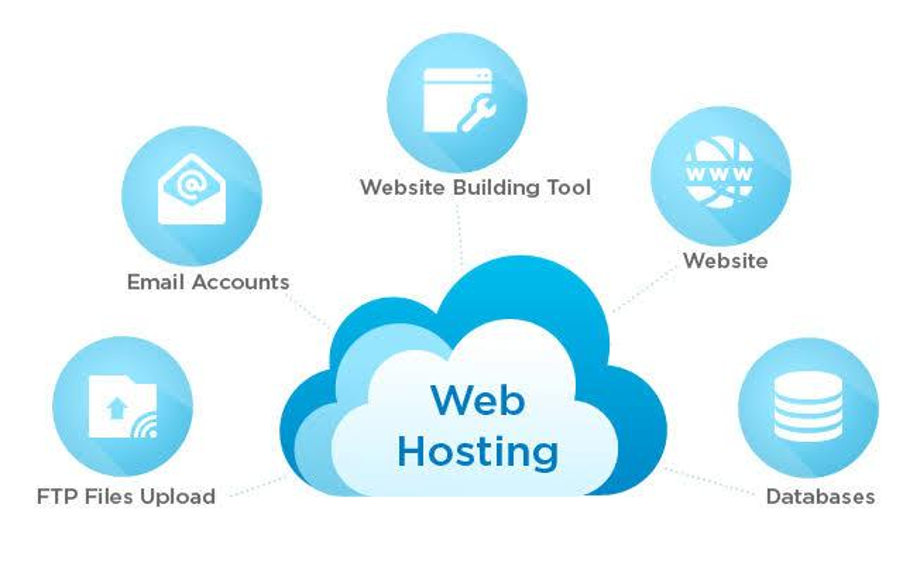

Once you have identified the name and domain name you want to use, the next step is registering it online at a web hosting service. The web host will also let you know whether the name and domain name you have chosen is available.
A web host will store all the blog posts, images and files for your blog. There are different web hosting plans suitable for both beginners and professional bloggers. Some plans are free with limited features while others are paid plans with additional features.
4. Choose a Theme
As you create your blog, you are required to choose a theme. Some of them are free while others will require you to pay. The theme includes page layout, font, and color among others. When choosing the theme, get something simple that will appeal to your readers and that will make it easy for them to navigate through the blog.
You can also customize your theme if you have the expertise to do so. However, picking from available themes is recommended as all the design work is done for you and they automatically get updated.
5. Post Consistently
Once you start posting, ensure you write consistently. If you write a post that captures the attention of many, they will always come back to see if you have any new blog posts. The longer they are waiting, the more they lose interest and eventually stop following up.
If you are in medical school and are overwhelmed by the amount of academic work, you can always seek nursing assignment help Australia services from professional writers so that you can focus on populating your blog.
When writing blog posts, include information relevant to your audience and use simple language that is easy for all to understand. Make use of images as they help in highlighting the main points of the article.
6. Create an Email List

Collect your readers’ email addresses and create an email list you can use to send them any promotions or recent news. Of course, your readers should consent to promotional emails first before including them in your email list.
There are many email management systems available. You can research on the features of each and choose the one that will benefit you.
Conclusion
Starting a blog is something that can be done by just about anyone. However, creating a successful blog requires effort and discipline. The first thing you need to do is identify the niche you want to specialize in then come up with a brand and domain name that gives people an idea of what your blog is about even before they visit the blog.
Choose a theme that is simple and user-friendly. Once you start writing, be consistent so that readers get new content frequently. Lastly, have an email list where you can alert clients about new blog posts or any important information.