































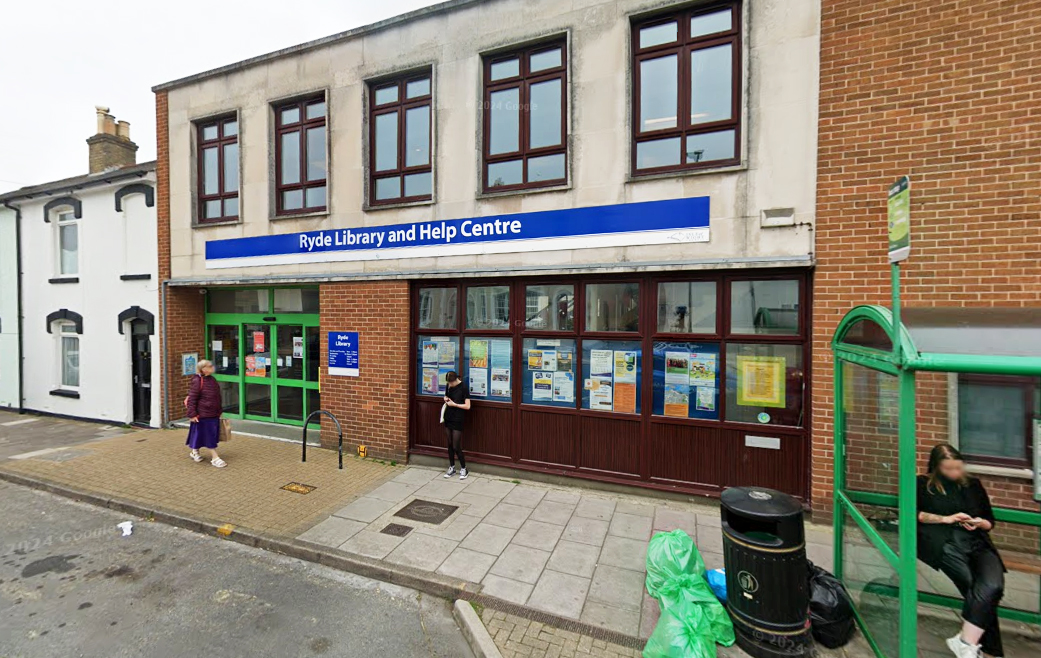
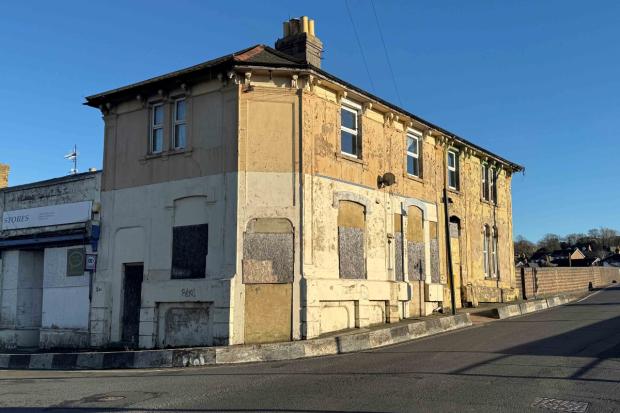
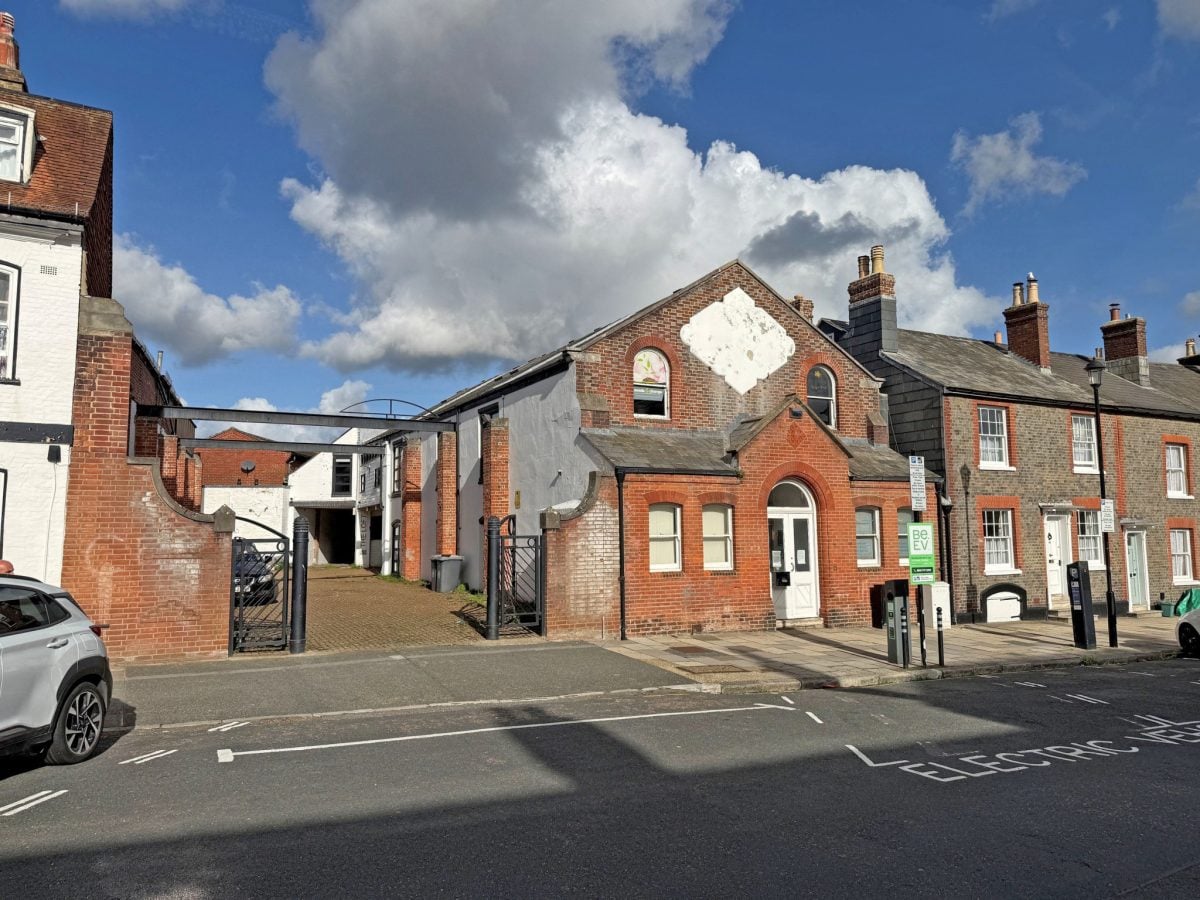






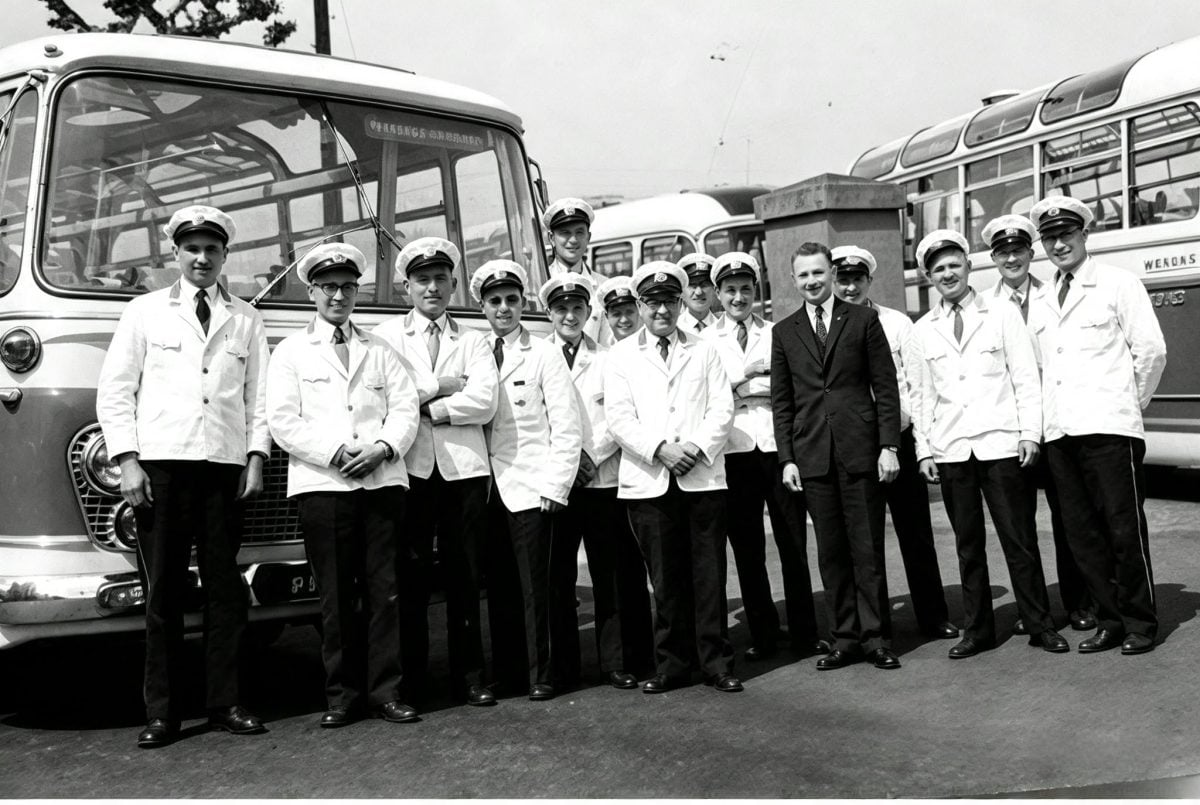


















Plans to turn Ryde’s former HSBC bank into 5 flats have been knocked back by Isle of Wight planners, due to ‘insufficient’ submitted information and heritage concerns.
Listed building consent and a planning application for a conversion of office space within 38 Union Street in Ryde have been refused. It follows interventions from charities The Georgian Group and the Council for British Archaeology.
The HSBC branch closed in August 2023 and was sold at auction in December last year, with Jon Shears of RWS Developments submitting an application to develop the building.


A statement from Mr Shears’s agent, the SJC Town and Country Planning Consultancy, previously said:
“The conversion of redundant office space to the first, second and lower ground floor results in increased vitality to the town centre by bringing people back into the town to live.
“The accommodation provides five one-bedroom units within a sustainable location, meeting the local and national sustainability objectives, making a valuable contribution to the housing needs of Islanders and given the proposed size, will likely be occupied by first time buyers.
“The commercial use will be retained on the ground floor with minor internal works.”
The Georgian Group, a national amenity society, campaigns for the ‘preservation of historic buildings and planned landscapes from the 18th and early 19th centuries’, according to its website.

In a letter to Isle of Wight Council, its conservation adviser for the South West of England, Catherine Armstrong, said:
“Whilst the group has no objection in principle to the building’s proposed conversion to residential units, and indeed welcomes its return to viable use, we consider that a relatively high level of harm would be caused as a product of the intensity of the proposed conversion scheme.
“The Georgian Group advises that the proposed alterations would collectively cause a considerable degree of harm (at the higher end of less than substantial harm) to the listed building and that they have not been convincingly justified.
“We would therefore urge that the application be withdrawn and revised with a less intensive scheme. If the applicant is not willing to do so, then listed building consent should be refused.”
The Council for British Archaeology (CBA), another national amenity society, is ‘dedicated to championing and promoting engagement in archaeology and supporting grassroots archaeologists across the UK’, its website says.
Its listed buildings caseworker, Dr Alison Edwards, wrote to the council:
“The CBA do not object to the principle of the adaptive reuse of this building to allow for a mix of commercial and domestic use, which is likely to represent the best sustainable future for the building.
“However, we consider that the proposed alterations fail to demonstrate an understanding of the building’s significance and would cause an unjustified level of harm to the listed building.
“The CBA strongly advise that this application is withdrawn to allow a heritage-led scheme of adaptive reuse to be drawn up. This should aim to repair and refurbish the existing fabric of the listed building, retaining its historic character and significance.
“Any successful scheme is likely to propose fewer domestic units to reduce the need for intervention in the building.”
County Hall planners said:
“The application contains insufficient information for the Local Planning Authority to fully assess the effects of the proposed development on the significance of heritage assets, and without this information it is considered the proposal would result in alterations that would result in an unjustified high level of less than substantial harm to the listed building.
“The application contains insufficient information to demonstrate that an acceptable level of amenity would be provided for future occupiers of the proposed development and that the proposed use would not be likely to conflict with neighbouring uses.
“Furthermore, it has failed to demonstrate that adequate light and outlook would be provided to the proposed residential accommodation and adequate living conditions provided for future occupiers.”












Our council cannot use the hackneyed phrase we are in a housing crisis and then rule against a development that would reduce the supposed crises by five or more, especially as the building concerned is of dubious merit and will only deteriote even further.
I would have thought they would want the extra Council tax.
From migrant residents?? Why else all flats 1-bedroom??
The country is a strange place lately
nothing would surprise me.
But thankfully the Lion is finally waking up and stirring.
Some time’s we hang on to the past too long for sell flat’s help younger people get on to the property ladder
What’s all this objection re “conflict” with neighbouring uses?
They allowed a fish and chip shop on the sea front right next to another fish and chip shop.
The outcome needed is to work with the building’s heritage assets, their significance and hero their contribution to place. Perhaps a more detailed site investigation would reveal a narrative understood and enjoyed by prospective tenants present and future? Fireplaces, ceilings, window treatments, door placements, stairs would, if concealed or removed, demonstrate a loss of fabric and historic recognition.