













































A new plan to restore wildlife and protect habitats on the Isle of Wight has been launched this month, with national praise and formal government approval.
The Isle of Wight Local Nature Recovery Strategy (LNRS) is just the fourth to be published in England, out of 48 currently in development. It sets out how local organisations, landowners and communities will work together to reverse biodiversity loss and combat climate change.
Approved by the Government and praised as a national exemplar, the Island’s strategy covers 400km² of land and coastline within the Isle of Wight’s UNESCO World Biosphere Reserve.


Ian Boyd of The Common Space, who led the strategy, says:
“We really are now at a crossroads, where we must choose between a future that brings together our human and natural worlds or one which pulls them further apart.
“The LNRS recognises how critically important it is… that we protect the biological integrity of the Island, and safeguard the quality of its outstanding natural world.”
Councillor Lora Peacey-Wilcox, Cabinet Member for Climate Change, has said:
“There are 15,000 species including us on the Isle of Wight – around 20% of all species in the UK. But one in six are at risk of extinction. Since 2000, the Island has lost 14 species and 20 more could follow without action.
Article continues below this advertisement “The Isle of Wight Council will be demonstrating its commitment to nature recovery across our estates and portfolios.”

Mary Creagh, Minister for Nature, has said:
“We are a proud nation of nature lovers and our iconic landscapes and charismatic wildlife make Britain great. However, our countryside is growing quieter and emptier of wildlife than ever.
“This strategy is a huge achievement for the local area and sets a strong example for others to follow. It’s a vital step to restore our iconic wildlife and reach our goal to conserve 30% of the UK for nature by 2030.”
Developed by Island Nature, the LNRS has involved 2 years of work and thousands of contributors. Step-by-step toolkits will help groups and individuals use the strategy to support local efforts.







If the island cares about nature, stop building,
make use of what the island already has.
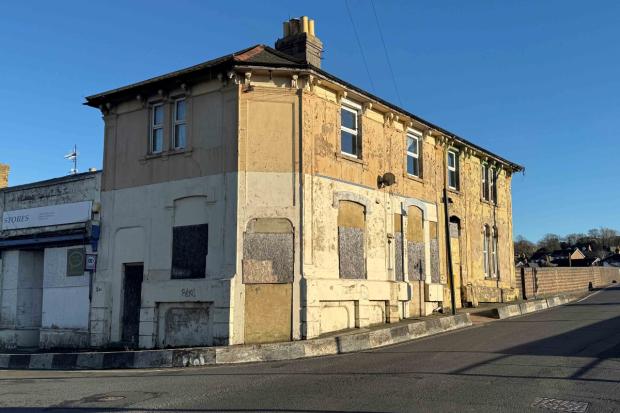
There are so many derelict sites that could be used to
build on, leave green spaces alone.
Raynor doesn’t like nature, just houses.
The main destroyer of roadside/ laneside habitats is Island Roads. Are THEY on board with this?
Stop building! Every new building reduces wildlife and their natural habitat.
Building (in general) does not usually mean loss of species as biodiversity ground surveys are done in advance which would highlight the rare and protected; animal species for example would simply move elsewhere.
This ^^ is more to do with other species like seaweed, butterflies and freshwater species…a casualty of chemical runoff into water courses, the sewage in our water, algal bloom swamping other species and the pesticides/insecticides we spray crops and pavements with, as well as the change in climate in general.
All information freely available from the Wildlife Trust.