

































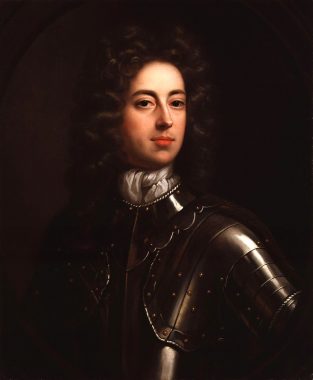
In the 4th and final part of Isle of Wight MPs, Island Echo looks at the career of John Churchill – MP for Newtown – and his illustrious family’s connections to our Island.
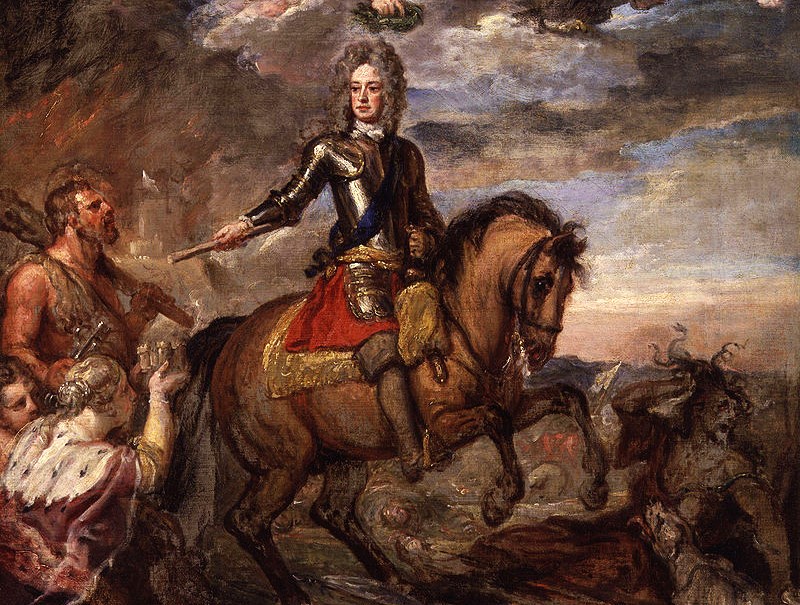
John Churchill – the 1st Duke of Marlborough and direct ancestor of Prime Minister Winston Churchill – became MP for Newtown in 1679.
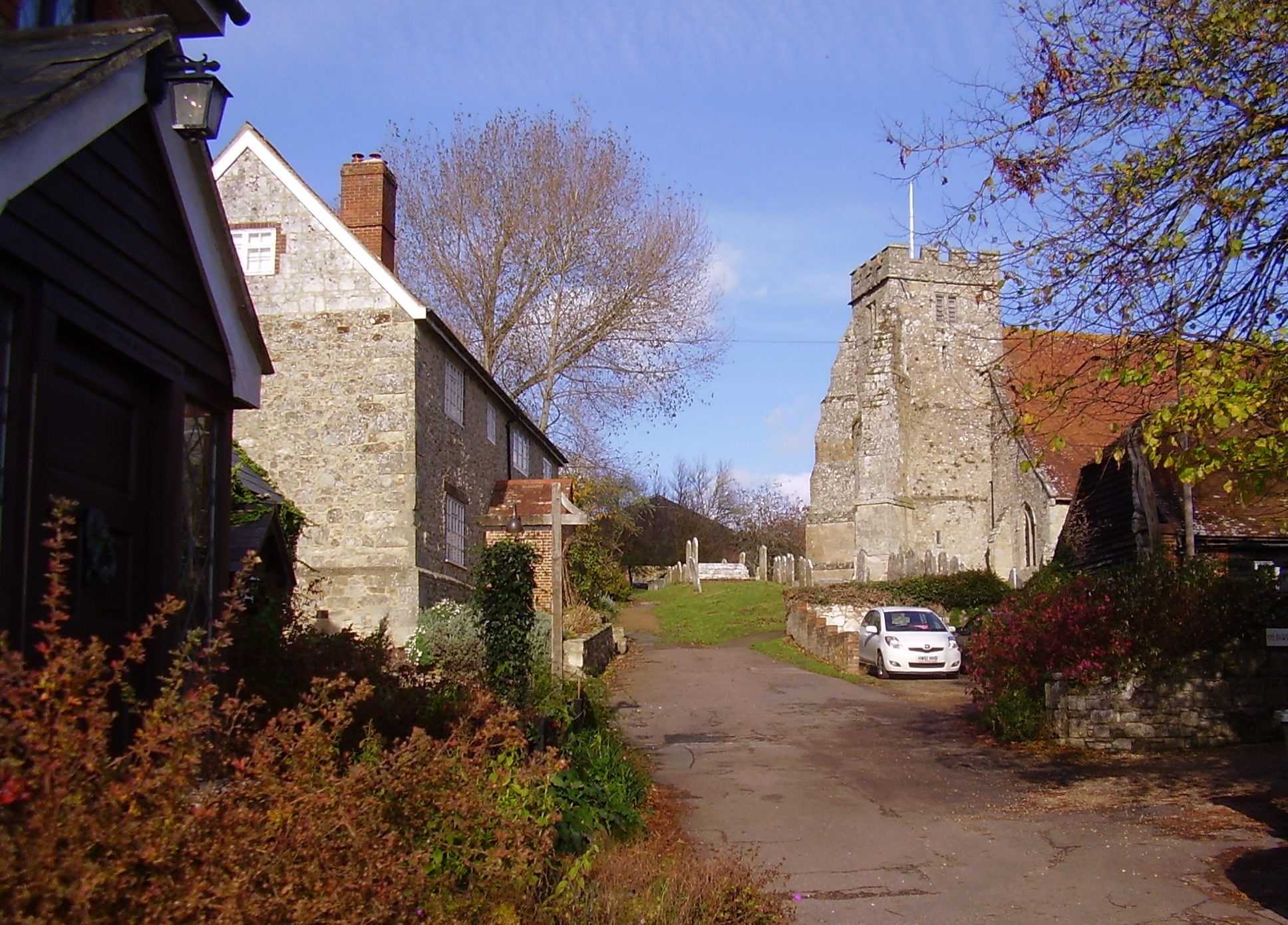
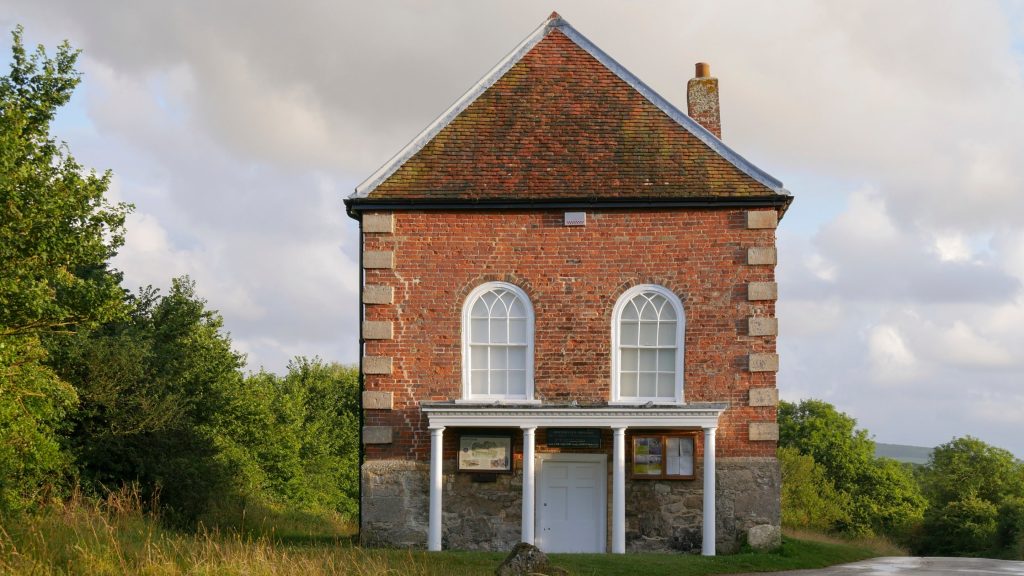
Although it had once been a thriving port, by the 17th century Newtown had become a ‘rotten borough’ under the control of the local Holmes and Barrington families. Despite its town hall, there were just 68 inhabitants, 23 voters and 14 houses in the borough at the time of John Churchill’s election.


Of course, there was no election campaign for John Churchill. The miniscule electorate simply voted the way the local gentry told them to. Were they to do otherwise, they would most likely have been thrown off their property and replaced by someone willing to do as they are told.
Despite the less-than-ideal method of his election as an MP, John Churchill was undoubtedly a great man. His long career as a soldier and statesmen spanned the reigns of 5 monarchs and he is recognised as 1 of Britain’s greatest-ever generals.
His representation of Newtown marked the beginning of a long connection between the Marlboroughs and the Isle of Wight, which has lasted to the present day.
John Churchill was born in 1650, and he joined the Army in 1667. He rose through the ranks to become 2nd-in-command at the Battle of Sedgemoor in 1685 and later commanded English troops in Flanders and Ireland during the Nine Years War from 1689 to 1697.
His greatest success came in the War of the Spanish Succession (1701-13), which Britain fought as part of a coalition of European powers against the French.
The decisive victory in this war came in 1704, when Marlborough – together with European allies – defeated the French at the Battle of Blenheim. Although outnumbered and facing an enemy in a strong natural position, Marlborough attacked regardless.
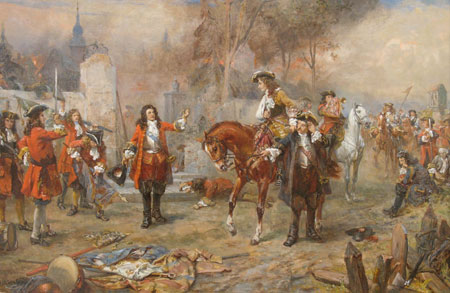
The French army suffered its first major defeat in 40 years, sustaining over 30,000 casualties and having its commander-in-chief captured.
Further victories followed. In 1706, Marlborough again bested the French at the Battle of Ramillies. He then achieved another crushing victory at Oudenarde in 1708. His army failed to decisively defeat the French in the Battle of Malplaquet in 1709, but his earlier victories had been sufficient to prevent French domination of Europe.
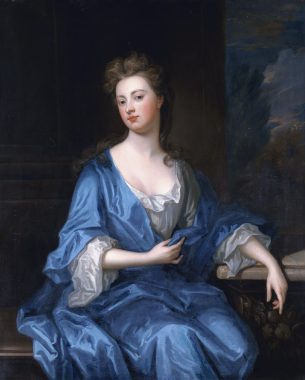
The 1st Duke of Marlborough’s success had come partly because of the influence of his wife Sarah Churchill over Queen Anne. However, when a new government entered office and was anxious for peace, the Queen had the Duchess of Marlborough banished from court. Without his wife’s support at the centre of power, he was dismissed from his offices in 1711.
John Churchill, Duke of Marlborough was returned to favour under the next monarch King George I. However, by this time, he was already a sick man and died in 1722.
What are the connections between the Churchills and the Isle of Wight?
The Jerome family – from whom Winston Churchill’s mother was descended – were founded by a Jerome who was born on the Isle of Wight and emigrated to America in 1710.
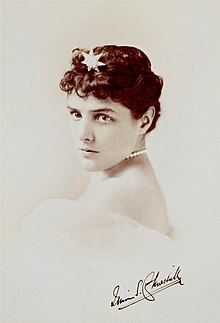
Winston Churchill’s maternal grandfather Leonard Jerome was a frequent visitor to the Isle of Wight. Winston’s mother Jennie met his father Lord Randolph Churchill at a sailing regatta in Cowes. The pair had been introduced to each other by the Prince of Wales – later King Edward VII.
At one time, the Churchills had owned a holiday home in Ventnor. When asked about his earliest memories, Winston Churchill replied: “I love Ventnor.”
Winston Churchill’s summers were generally spent in Ventnor as a child. As a 4-year-old, he had witnessed the sinking of the ship Eurydice from Ventnor beach.
Winston Churchill maintained a lifelong friendship with Jack Seely, Lord Mottistone, and visited him in Brook and Mottistone. The pair had fought together in the Boer War.
The Churchill connection continues to this day. George Spencer-Churchill – the current heir to the Marlborough title – met his wife Camilla while holidaying on the Island.
The Marlborough name is commemorated on the Isle of Wight by the Marlborough Hotel in Shanklin and Marlborough Roads in Ryde and Newport.
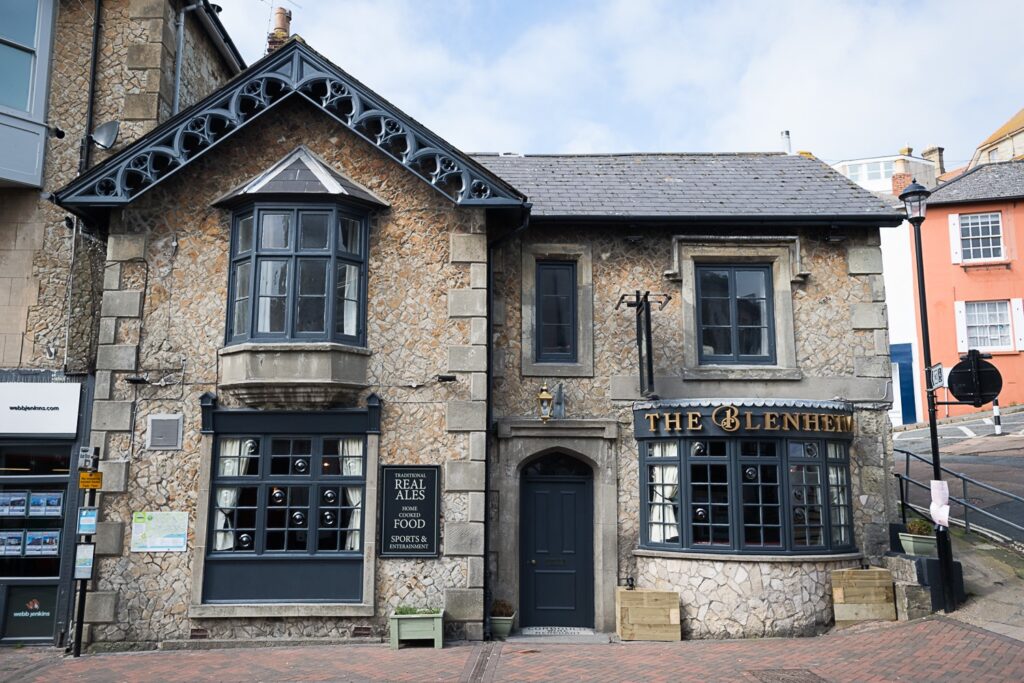
Marlborough’s famous victory over the French at Blenheim has given its name to a well-known Ventnor hostelry The Blenheim.
Having covered the 4 most illustrious Isle of Wight MPs in history – including 3 Prime Ministers – the Isle of Wight MPs series will return next year to look at the careers of MPs in more recent times…







During the time of the Rotten Boroughs the only people ( i.e. men) eligible to vote were owners of real property who paid taxes to the Crown of at least 40 shillings per year (roughly £2,500 in today’s money.These were known as “Forty Shilling Freeholders”. They were therefore unlikely to be “thrown off thier property” as the article states.
“Newtown was a burgage borough, meaning that the right to vote was vested solely in the owners of a specified number of properties or “burgage tenements”. At the time of the Great Reform Act of 1832 there were 39 burgage tenements, held by 23 burgesses; however, most of these held only life grants. It was common practice for life grants to be made to friends of the proprietors so as to ensure that the full voting power could be exercised; if these nominees failed to vote as expected, they could be ejected and replaced by somebody more reliable before the next election.”
If you were a working man it was all ” rotten ” then