





























































Health conversations on the Isle of Wight increasingly address conditions that were once avoided or discussed only in private. Erectile dysfunction affects a large number of men across the UK, yet many delay seeking support despite the availability of effective, regulated treatments. Local discussion now reflects a broader shift toward openness, early engagement, and practical access to care.
Men’s health concerns often develop gradually. Symptoms may appear mild at first or be dismissed as temporary. When discussion remains limited, opportunities for early assessment and treatment are missed. On the Isle of Wight, where access to specialist services can be more complex, these delays carry additional consequences.
Healthcare professionals and community initiatives now emphasise normalising conversation around common conditions. Addressing erectile dysfunction as a routine medical issue rather than a personal failing helps reduce stigma and supports earlier, safer decision-making.


Healthcare Access Challenges on the Isle of Wight
Geography shapes healthcare access on the Isle of Wight in ways not experienced on the mainland. Travel across the Solent remains necessary for some specialist services, adding time, cost, and logistical difficulty. For conditions that require ongoing review rather than one-off intervention, repeated travel can discourage follow-up.
Waiting times for certain appointments also influence how residents engage with care. When access feels slow or inconvenient, men may postpone assessment altogether. This pattern is especially common for sensitive conditions, where embarrassment already creates hesitation.
Transportation schedules, weather disruption, and the need for overnight stays further complicate attendance at early-morning mainland clinics. These factors affect working-age men as well as older residents, increasing reliance on alternatives that reduce the need for physical travel, a challenge widely observed in healthcare access in isolated island communities.
Seasonal population changes add further strain. During peak tourism periods, local healthcare services operate under increased demand. Resource allocation must balance resident need with visitor care, which can limit appointment availability during certain months.
Digital Care Options Improving Access
Digital healthcare services now play a growing role in reducing access barriers on the island. Remote consultations allow patients to speak with clinicians without leaving their homes. For many, this lowers the threshold for initiating discussion about sensitive symptoms.

Online clinical assessments support continuity of care where physical attendance proves difficult. These services complement local GP provision rather than replacing it, allowing appropriate triage and follow-up without unnecessary delays.
Medication access has also improved through regulated online pharmacy services. For ongoing treatments, home delivery reduces disruption and supports adherence. This is particularly relevant for men managing erectile dysfunction, where consistency and privacy influence treatment success.
In this context, some patients choose to use online healthcare providers to access clinically assessed treatment options, allowing discreet access aligned with UK prescribing standards.
NHS Digital Integration on the Island
The Isle of Wight has been involved in wider NHS digital integration efforts designed to improve coordination between services. Shared electronic records support safer transitions between local and mainland care, ensuring clinicians have access to relevant medical history when referrals occur.
This integration reduces duplication, improves prescribing safety, and shortens decision timelines. For men managing chronic or recurring conditions, continuity across providers supports better outcomes and reduces frustration.
Training initiatives for staff and patients have supported digital adoption. Increased familiarity with online appointment systems and electronic records has expanded access for residents who previously relied solely on in-person services.
Community Approaches to Reducing Stigma
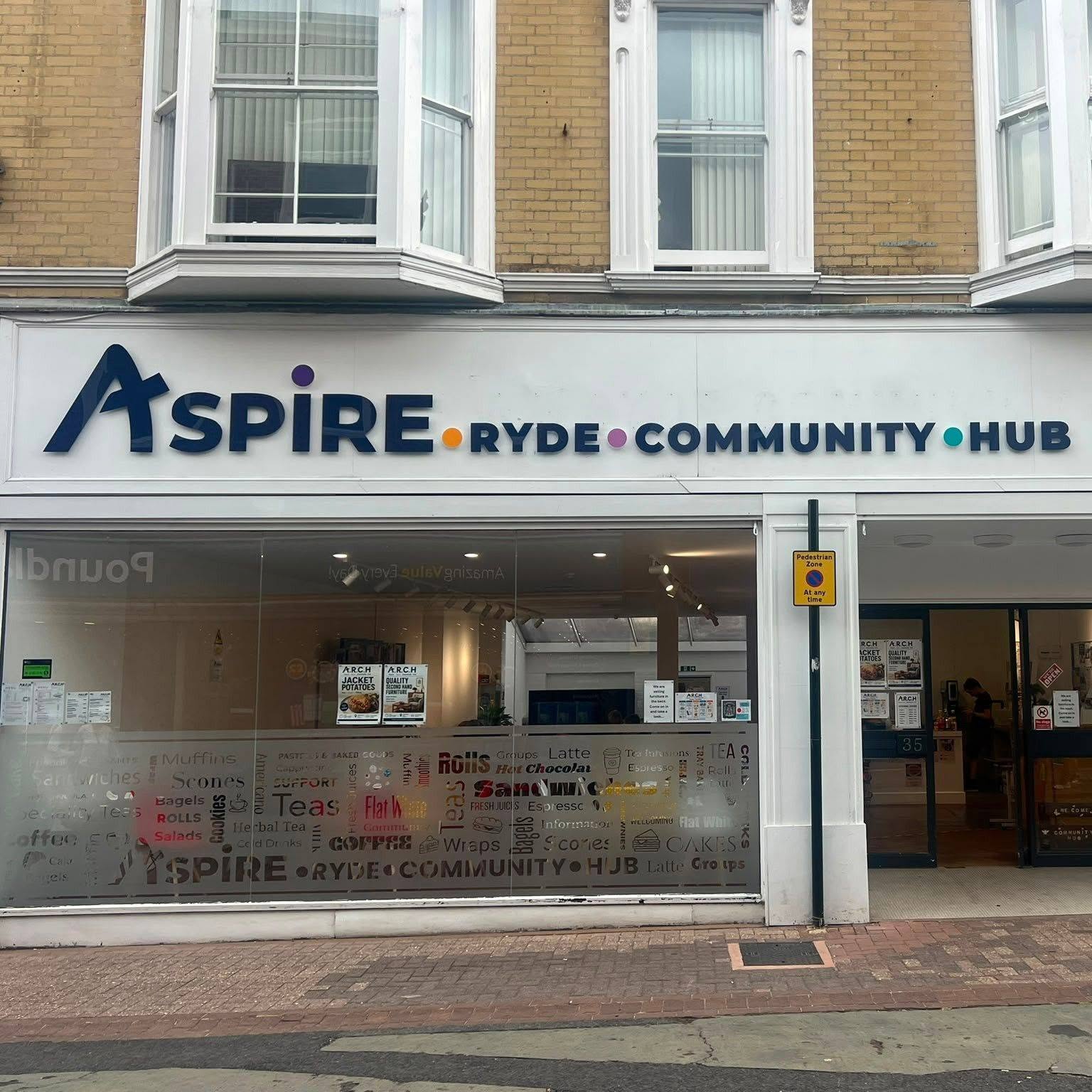
Local initiatives increasingly address men’s health through peer support and education. Discussion groups and community-led programmes provide spaces where men can share concerns without judgement. These settings often address sexual health alongside mental wellbeing and long-term conditions.
Pharmacies on the island have also adapted service delivery. Private consultation rooms allow confidential conversations without the fear of being overheard.This environment encourages men to raise questions they might otherwise avoid in open settings.
Education campaigns increasingly emphasise that erectile dysfunction is common and treatable. Presenting treatment options in factual, clinical terms helps shift perception away from shame and toward practical care planning. Alongside this, broader creative approaches to men’s health have shown value in reducing stigma, supporting emotional expression, and encouraging earlier engagement with healthcare services.
Education and Health Literacy
Health literacy programmes delivered through community centres and local organisations aim to clarify how common conditions develop and how treatment pathways work. Clear explanations reduce uncertainty and support earlier engagement, particularly when aligned with broader health literacy programmes used across public health education.
These sessions often outline the steps from symptom recognition to assessment and treatment, helping men understand what to expect. Emphasis remains on evidence-based care delivered by trained professionals.
Media collaboration has expanded reach. Local outlets regularly feature interviews with healthcare professionals discussing men’s health topics in accessible language. Anonymous question formats allow residents to raise concerns without fear of exposure.
Future Developments in Island Healthcare
Planned investment in local healthcare infrastructure aims to reduce reliance on mainland services over time. Proposed expansion of specialist clinics would bring additional urology capacity to the island, improving access to men’s health assessments and follow-up.
Community pharmacy services are also expected to expand their role within primary care networks. Closer collaboration between pharmacists and GPs supports faster access for appropriate conditions and reduces appointment bottlenecks.
These developments reflect a broader shift toward integrated care models that prioritise accessibility, continuity, and early intervention, reducing fragmentation between services and supporting more consistent patient pathways over time.
Changing the Conversation Around Men’s Health
Progress in men’s health on the Isle of Wight reflects a gradual cultural change. Open discussion, practical access routes, and regulated digital services reduce the barriers that once prevented engagement.
Erectile dysfunction serves as a clear example. When treated as a routine medical concern with multiple safe management options, men are more likely to seek help and follow through with care.
Breaking down stigma does not rely on a single initiative. It develops through consistent messaging, accessible services, and environments that respect privacy while encouraging dialogue.
As healthcare access continues to evolve, Isle of Wight residents benefit from clearer pathways, reduced delay, and greater confidence in seeking support. Normalising care for sensitive conditions supports not only individual wellbeing but the resilience of the wider community healthcare system.