



















































NHS bosses are urging women across the Isle of Wight who are eligible for cervical screening to come forward.
Across the South East region, over 1.7million people have come forward for their cervical screening over the past 3-and-a-half years (71.7%), which is higher than the national average. However, 685,365, between the ages of 25 and 64, are yet to act on their invitation.
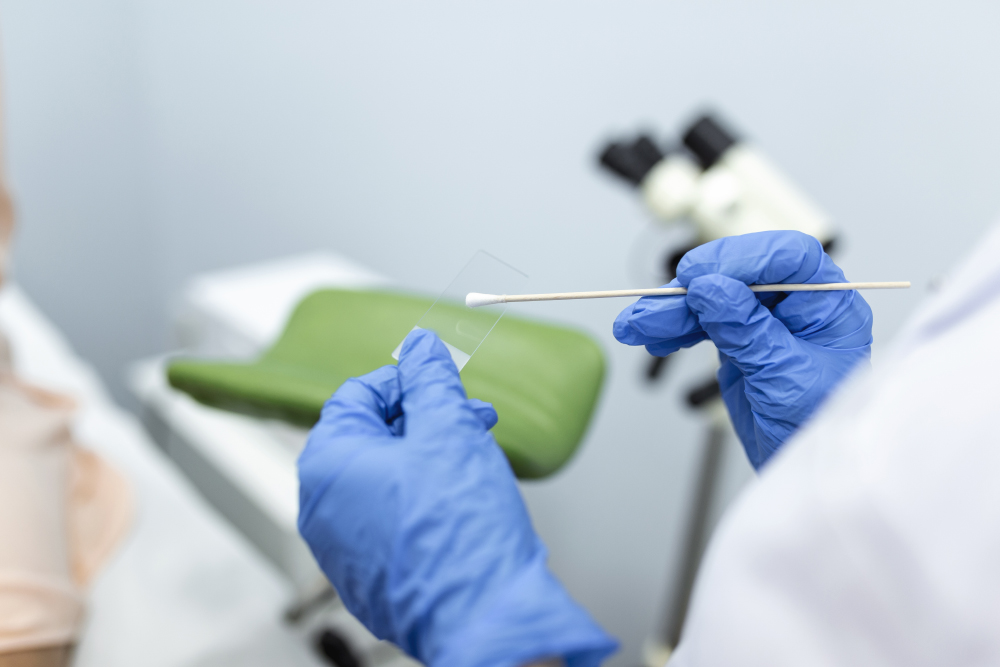
Screening helps prevent cervical cancer by using a highly effective test to check for high-risk Human Papillomavirus (HPV), which is found in over 99% of all cervical cancers and which may cause abnormal cells to develop in the cervix. These cells can, over time, turn into cancer if left untreated.


Having HPV does not mean someone has or will develop cervical cancer. It is a common virus that most people have at some point in their life without knowing it, which usually goes away on its own. If cell changes are identified early cervical cancer can be prevented from developing.
Around 2,700 people are diagnosed with cervical cancer in England each year and approximately 690 die from the disease – around 2 deaths every day. The NHS Cervical Screening Programme helps save thousands of lives per year and those who are invited are being encouraged to ensure they attend their screening.
NHS South East’s Chief Nurse, Acosia Nyanin, has said:
“Some people may feel worried or embarrassed about the screening itself, but your clinician at your GP practice or sexual health service will help you feel at ease and treat you with dignity when carrying out this important check.
“Cervical cancer often causes no symptoms during the early stages of the disease, which is why it’s especially important that you or a loved one attends their cervical screening when invited.”
Article continues below this advertisement

The NHS also offers the HPV vaccination to all children aged 12 and 13 at school in Year 8, up until school leaving age, with numerous catch-up opportunities provided by the School Aged Vaccination Teams. GP practices also offer vaccination for those who may have missed it in school, from age 14 up until 25.
HPV vaccination protects against the most common types of HPV, but it is still important to attend a cervical screening appointment when invited because the HPV vaccine does not protect against all strains.
Cervical screening is available by appointment at local GP practices and at some local sexual health services.









What so they can get the results wrong
You will be very lucky to get past the receptionist at sandown Bay Medical. She would be better off working on border force