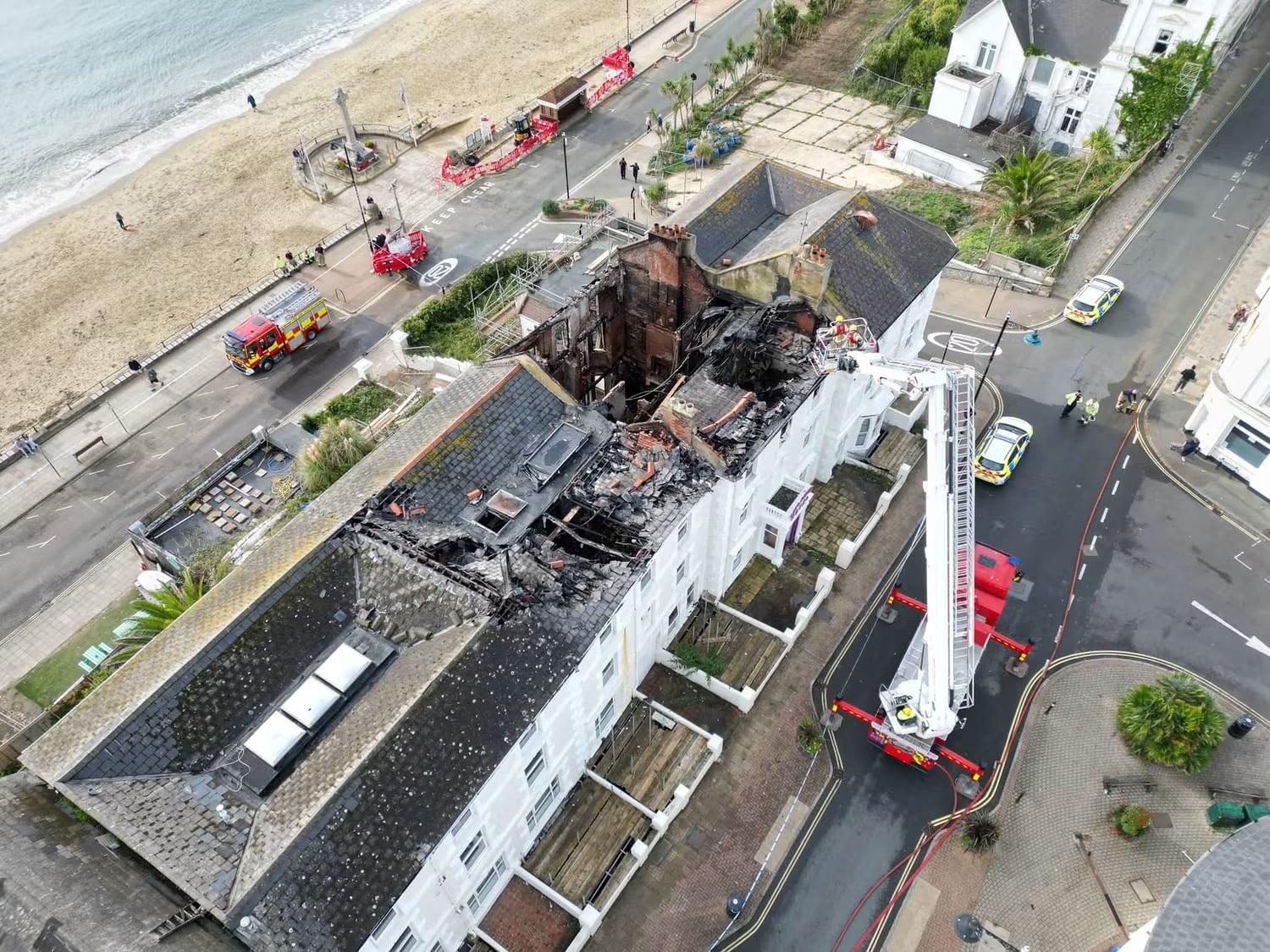









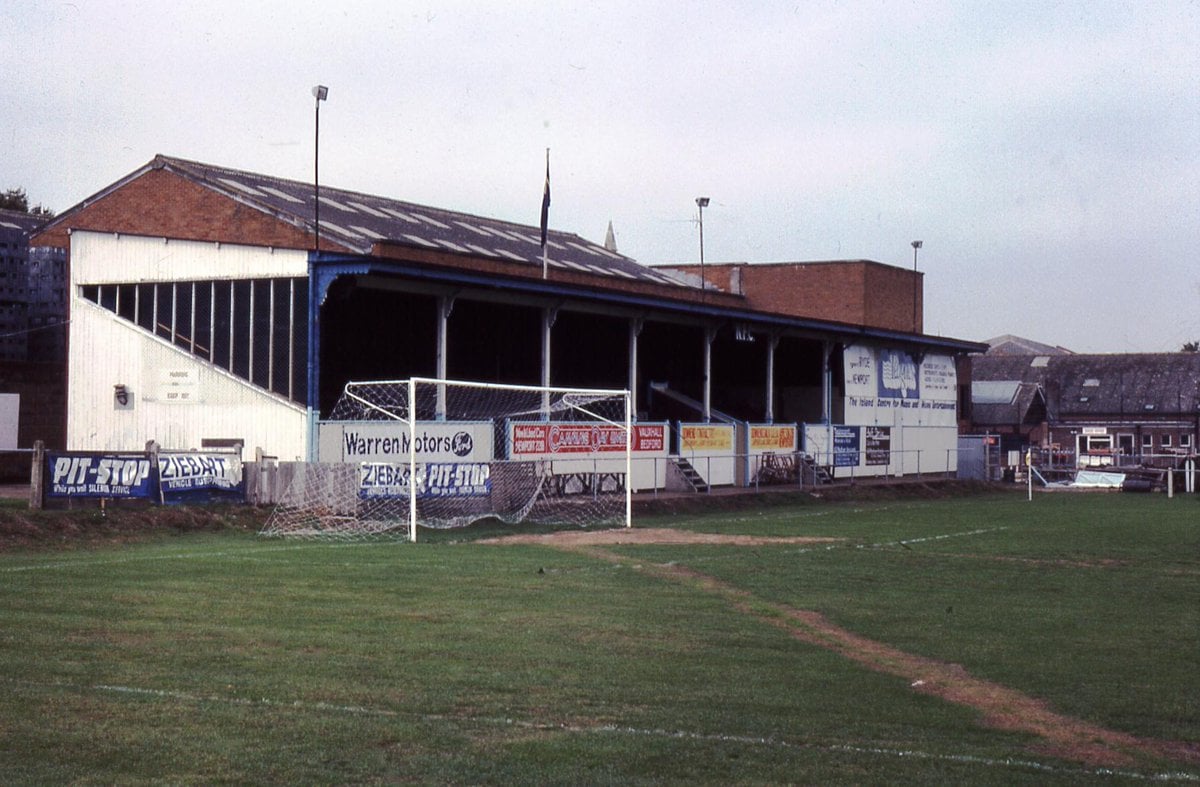















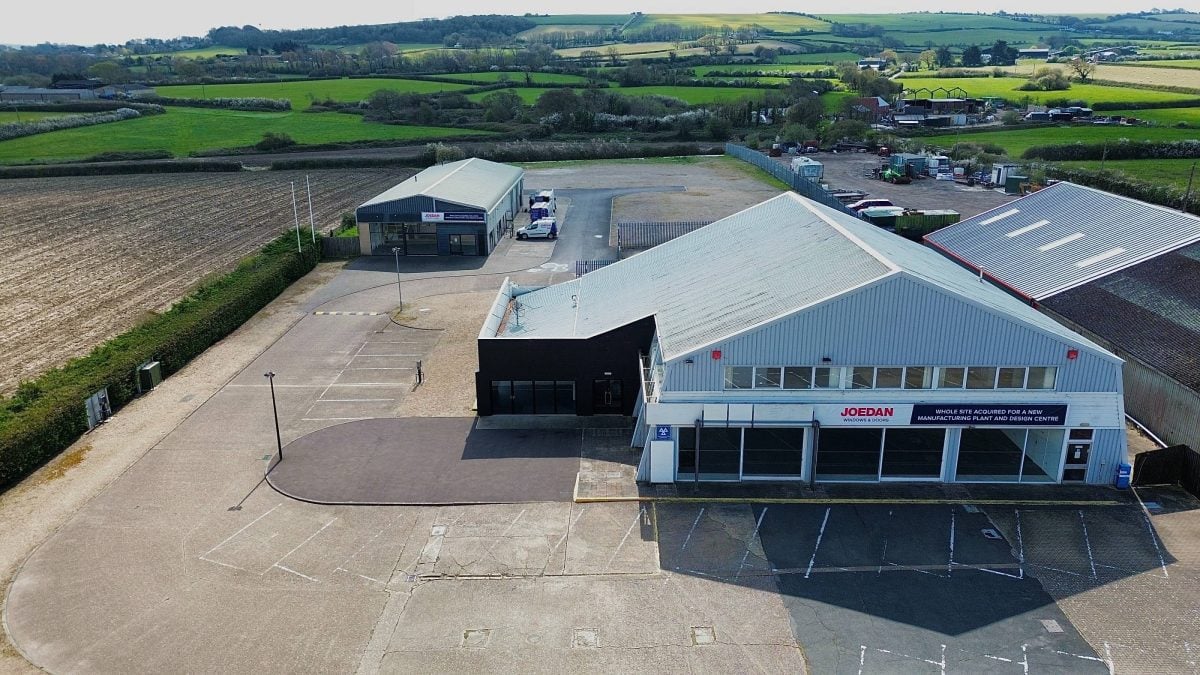












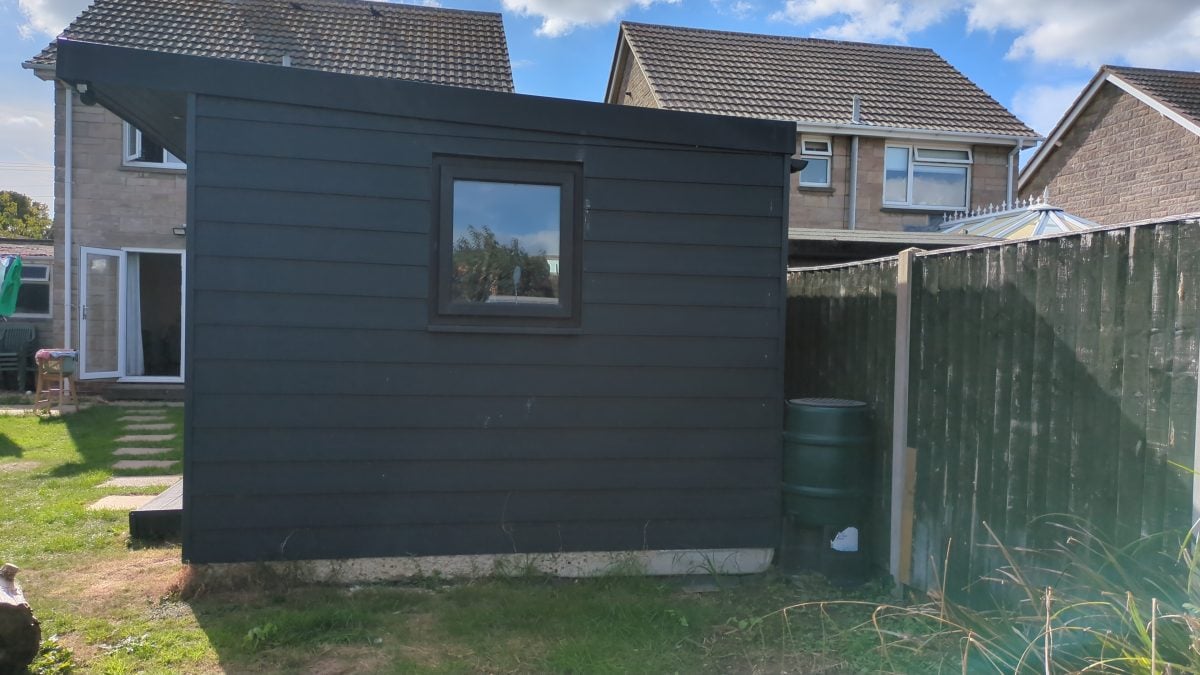


































The Isle of Wight is currently witnessing a significant shift in its property development landscape. While residential self-builds and domestic extensions remain popular, there is a rapidly growing trend of commercial regeneration. From the repurposing of vacant high street retail units in Newport and Ryde to the extensive off-season overhauls of coastal guesthouses in Shanklin, local contractors are taking on an increasing volume of commercial refits.
However, with this surge in commercial development comes a heightened level of regulatory scrutiny. Site managers, shopfitters, and local building firms are being issued a timely reminder: waste logistics on a commercial site operate under a vastly different set of rules compared to standard domestic projects. Treating a business park renovation or a high street strip-out like a large-scale home extension is a dangerous shortcut. It is a miscalculation that routinely leads to costly project delays, permit rejections, and heavy compliance fines.
For Island-based contractors, getting waste management wrong isn’t just an administrative annoyance; it directly impacts the bottom line and threatens the overall viability of a project.


The Logistical Bottleneck of Commercial Waste
Ask any experienced project manager on the Island, and they will likely tell you that waste removal is the ultimate logistical bottleneck of any major build. On the Isle of Wight, where site access is frequently restricted by narrow, historic town streets and where the broader supply chain is inherently tied to ferry schedules, operational efficiency is everything.
When contractors make the jump from residential work to commercial contracts, the sheer volume, weight, and complexity of the waste generated change the game entirely. A standard domestic clearance usually involves a few straightforward, mixed loads (some timber, old kitchen cabinetry, and general rubble). A commercial strip-out, on the other hand, involves heavy-duty logistics. Contractors suddenly find themselves dealing with suspended ceilings, miles of complex cabling, industrial HVAC units, and substantial quantities of reinforced brick and concrete.
When dealing with these massive volumes, relying on ad-hoc waste removal simply does not work. Site managers have to pivot their strategies entirely to coordinate with commercial skip hire networks, like easySkip, FindaSkip, AMA Skip, among others, that can handle industrial-scale clearances. This knowledge gap is surprisingly widespread; in fact, research indicates that 68% of construction SMEs operate without fully understanding their duty of care obligations when transitioning between residential and commercial projects. Failing to recognise when a build has officially crossed that regulatory threshold is the primary reason local firms end up paralysed by waste bottlenecks.
The Duty of Care Trap
The Environment Agency has become increasingly uncompromising regarding commercial waste compliance, a stance that inevitably trickles down to local authorities. At the very heart of this regulatory framework is the commercial “Duty of Care.”
If you are generating waste as part of a business operation, you are legally responsible for that waste from the exact moment it is created until it reaches its final, fully licensed disposal point. On a residential driveway, a homeowner simply hires a bin, fills it up, and waves goodbye to it. On a commercial site, the primary contractor must maintain a meticulous, unbroken paper trail.

Every single load of waste removed from a commercial site requires a comprehensive Waste Transfer Note (WTN). These legal documents must detail precisely what the waste consists of, how it is contained, and who is transporting it. Crucially, these records must be kept on file and readily available for a minimum of two years. If a local enforcement officer pays a surprise visit to your site, or if your waste is later found to be mishandled or fly-tipped by a rogue third-party subcontractor, the absence of accurate WTNs falls squarely on the shoulders of the primary contractor. Ignorance of the law is never accepted as a defence.
The New Era of Material Segregation
Another area frequently catching out local builders is the aggressive tightening of material segregation laws. The old days of throwing absolutely everything into a massive roll-on roll-off (RoRo) container and letting the waste facility sort out the mess are well and truly over.
Over the last few years, UK legislation has clamped down hard on the disposal of specific materials, drastically altering how sites must be managed. Plasterboard and gypsum-based products are a prime example. Due to the way these materials react and release toxic hydrogen sulfide gas when mixed with biodegradable waste in a landfill environment, plasterboard must now be strictly segregated. If a waste operator arrives to collect a commercial bin and finds plasterboard buried under general rubble, they are legally obligated to refuse the collection entirely or charge an exorbitant contamination fee.
Similarly, recent stringent regulations around Persistent Organic Pollutants (POPs) mean that any upholstered commercial seating, which is incredibly common during office or hotel clear-outs, must be handled, transported, and disposed of entirely separately from general construction waste. Contractors must proactively factor these segregation requirements into their site’s physical footprint. Often, this means allocating space for multiple, specific waste containers rather than relying on one massive, mixed-use bin.
Public Highways and Permit Nightmares
Space is always at a premium on commercial sites, particularly for projects located in the denser, highly trafficked parts of the Island’s main towns. When a site doesn’t have the luxury of a dedicated loading bay or a sprawling private forecourt, waste containers inevitably need to be placed on the public highway.
This introduces an entirely new layer of local compliance. Island Roads, operating on behalf of the local council, requires highly specific permits for any container placed on a public road, pavement, or grass verge. While the waste provider will often handle the administrative side of arranging this permit on your behalf, the ultimate, legal responsibility for the physical safety of the site remains with the contractor.
Furthermore, containers placed on the road must adhere to incredibly strict safety parameters. They cannot block sightlines at busy junctions; they must be brightly marked with reflective materials, and they must be fitted with operational warning lights if they are left overnight. If a container is deemed a hazard to motorists or pedestrians, the council has the authority to have it removed immediately at the contractor’s expense, instantly stalling the entire project.
Preparation is the Only Protection
For B2B contractors, the difference between a highly profitable job and a logistical nightmare almost always comes down to advanced preparation. As the Isle of Wight gears up for another busy season of property developments, boutique hotel upgrades, and retail refits, local firms are strongly advised to audit their waste management protocols before the work begins.
Reviewing your waste strategies before breaking ground is the only way to ensure your site remains safe, your business remains legally compliant, and your project stays on schedule. In the modern construction industry, waste removal is no longer just an afterthought, it is a highly regulated, integral component of your commercial site infrastructure. Treat it with the priority it demands.