



















































London’s office footprint is shrinking, and tech companies are increasingly dropping mandatory five-day office rules, not least of all because they are becoming harder and harder to justify. Despite the age-old image of the Big Smoke and all its promises, more and more Londoners are drifting outward, looking to dial in remotely.
High-earning software architects, UX leads, data engineers, and developers accelerating progress in the realm of video games started looking beyond standard commuter towns in Surrey or Essex, or even postcard Cotswold cottages conveniently placed along the commuter belt.
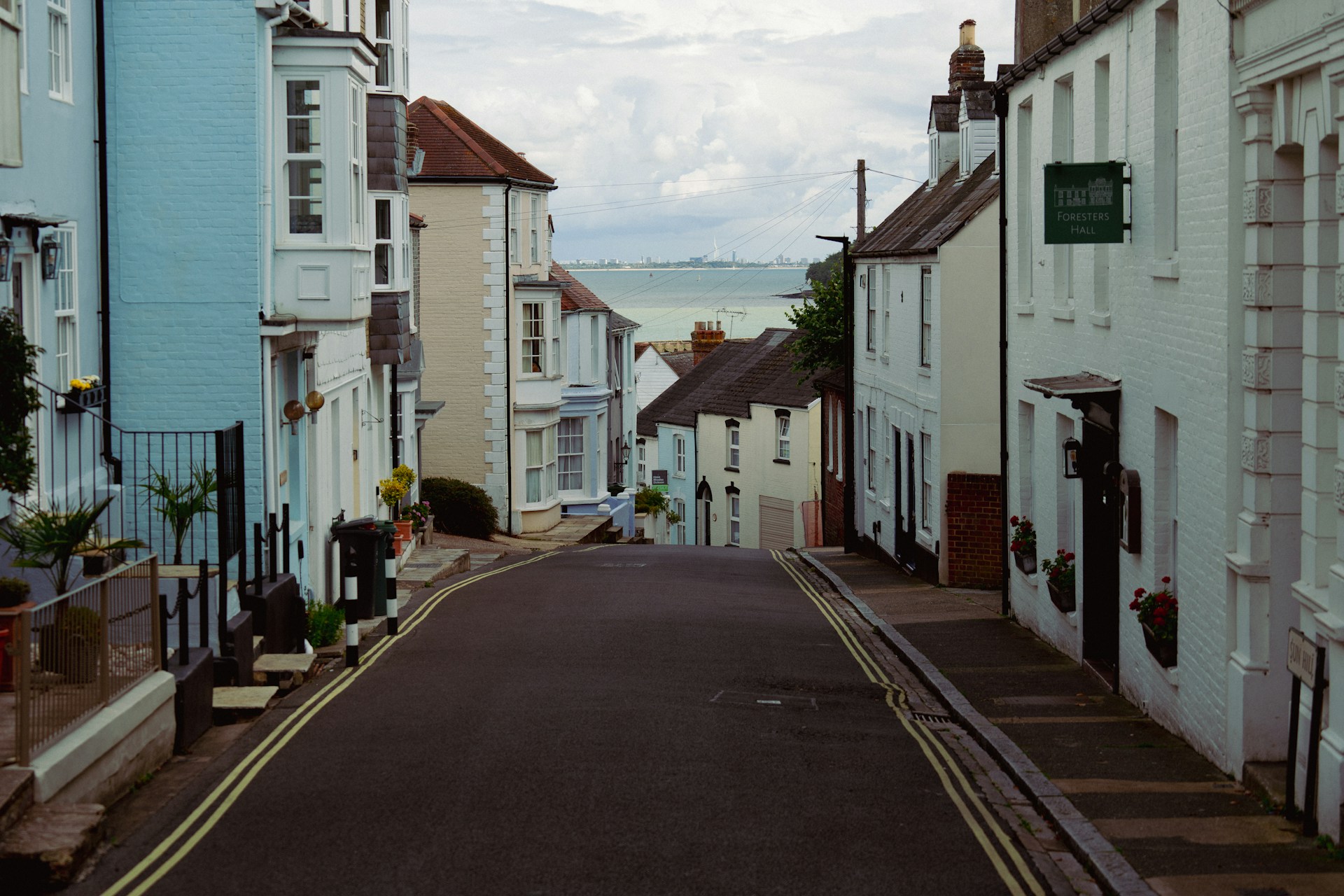
That search eventually crossed the Solent, turning the Isle of Wight into a practical candidate for long-term remote setups.


What Makes “Digital Nomads” Different?
This is more a question of semantics than anything else, but it still has a bearing on the future of work as a whole. Remote workers are those working outside of a company office space, while digital nomads are those who are actively taking advantage of their ‘work from home’ status to up stakes, try somewhere new, and tailor work to fit their life, rather than the other way around.
In many ways, it’s the antithesis of the ‘London dream’. Working from the sun-drenched deck of a beach house in Southern Portugal, catching co-workers for Zoom meetings when the timezones align, tells a very different story of modern work. London innovation and progress; extra-London way of life.
Why the Isle of Wight, Specifically?
Money’s the obvious starting point. The average house price on the Island sat around £238,000 in May 2026, against £381,000 across the wider South East and £271,000 nationally, and rents came in at under £950 a month on average, the cheapest in the region by a fair distance. For someone earning a London tech salary but paying Island prices, that gap alone rewrites the budget most people assumed came with the job.

It also isn’t the retreat-from-everything move it sounds like to people who still need ‘things to do’ six nights of the week. With Red Funnel taking under an hour, and a 25-minute fast passenger service from West Cowes for anyone travelling light, Wightlink’s Ryde to Portsmouth crossing taking just over in 22 minutes, and the Hovertravel hovercraft doing the same trip from Southsea in ten, anyone needing an occasional face-to-face still gets to London Waterloo inside about ninety minutes door to platform.
9 times out of ten, that beats the door-to-desk time plenty of people already put up with from Zone 6.
None of that counts for much without a decent connection, and this used to be the sticking point people raised first. WightFibre’s Gigabit Island Project has been steadily pushing full-fibre coverage toward 96% of premises by 2027, with speeds up to 900Mb now available in streets that had copper lines a few years back, and Openreach has been running its own competing rollout through towns like Ryde, Ventnor, Sandown and Shanklin. A software architect running builds overnight or a game developer pushing large asset files around no longer has to plan the working day around the connection dropping.
It’s Already Made a Name for Itself
The gaming crowd mentioned earlier already has some history to draw on here, too. Stainless Games, the studio behind the Carmageddon series, has been based on the Island for years and already offers everything from studio-based roles to fully remote UK setups, with hybrid arrangements sitting somewhere in between, for senior engineers.
Smaller outfits have grown up around it too, tucked into converted offices in Newport and Ventnor rather than anything resembling a tech park. With the sector currently booming with potential and more and more developers needed for triple-a, casino games, and MMORPGs, the island offers a new kind of backdrop for a new era of inspiration.
The infrastructure behind all this is real but still fairly compact. The Innovation Centre and Ventnor Exchange cover the co-working side of things, but none of it amounts to the density of options someone leaving Shoreditch or Clerkenwell would be used to. Then again, someone leaving Shoreditch or Clerkenwell is leaving for a reason; digital nomadism is on the rise for a reason, and what better way to treat the dissatisfactions of London than the Isle of Wight?