










































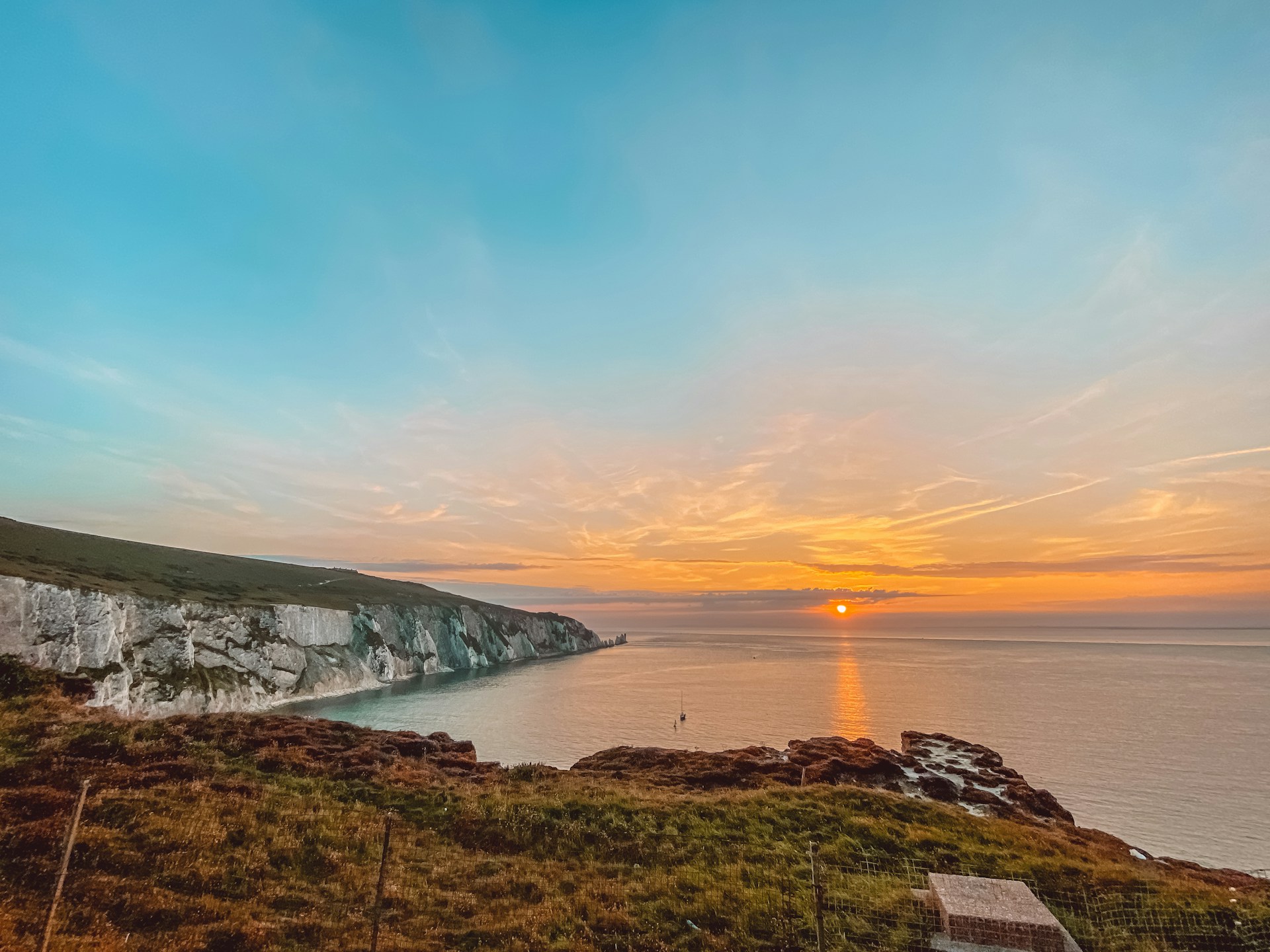

The Isle of Wight has always attracted visitors seeking something quieter than mainland life offers. What has changed in recent years is who arrives and why they stay. Beyond the festival crowds and sailing enthusiasts, a different population has discovered the island’s appeal. Artists, developers, designers, and digital entrepreneurs are establishing studios, collectives, and remote offices across its towns and villages, transforming sleepy coastal communities into unexpected creative hubs.
The Economics of Island Living
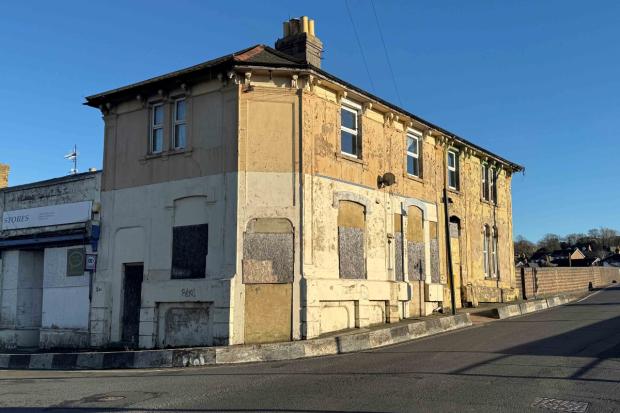
Property prices tell part of the story. Whilst London and Bristol rents consume ever-larger portions of creative incomes, the Isle of Wight offers studio spaces and live-work arrangements at fractions of mainland costs. A converted shopfront in Newport or an old warehouse near Cowes becomes financially viable in ways impossible elsewhere. Lower overheads mean more time spent creating rather than hustling for commercial work to cover expenses.
The island’s digital infrastructure has improved considerably, making remote collaboration feasible. Fibre broadband reaches most populated areas, allowing seamless connection to clients and collaborators anywhere. Video calls with London agencies happen as easily from a Ryde studio as from a Shoreditch office. Cloud storage and project management tools have eliminated geography as an obstacle for many creative professions.


Digital Work Finds Island Roots
The creative economy extending across the Solent encompasses far more than traditional arts. Interactive media, animation, and game design represent substantial portions of the island’s new professional landscape. Developers skilled in coding, interface design, and user experience work on projects ranging from educational apps to entertainment platforms.
Complex digital systems such as streaming services, gaming environments, and even an online casino rely on precisely the kind of technical and creative talent now based on the island. Animation specialists, sound designers, and visual effects artists contribute to productions that reach global audiences whilst living within cycling distance of the coast.
Collaborative Spaces and Community Networks
Cowes, known primarily for yacht racing, has developed a quieter reputation among creatives. Former maritime buildings now house a photography studio, design agencies, and maker spaces where fabricators work alongside digital artists. The proximity breeds collaboration. A graphic designer might share a building with a furniture maker, leading to projects neither would attempt independently.
Newport serves as the island’s commercial centre, but its creative infrastructure extends beyond conventional galleries. Co-working spaces attract freelancers seeking structure and social connection that remote work sometimes lacks. Regular meetups and skill-sharing sessions create networks that function like informal professional associations, providing support systems often missing from isolated creative practice.
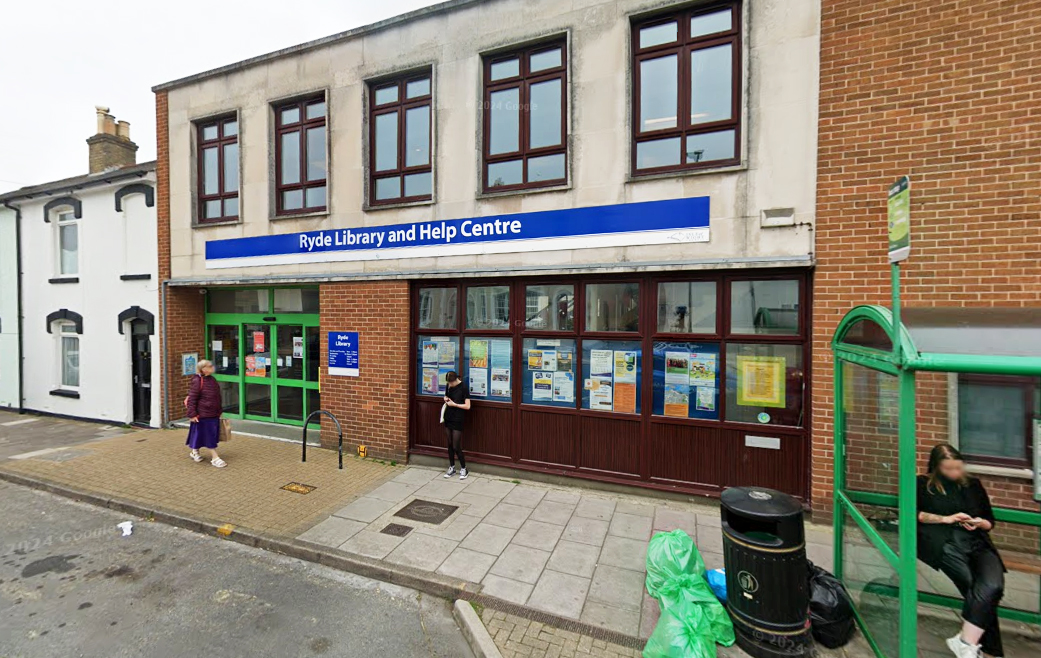
Ryde’s Victorian seafront architecture has attracted a younger creative demographic. Former shops converted into gallery-cafes showcase local work whilst serving as gathering points for the island’s artistic community. The town’s direct ferry connection to Portsmouth makes mainland access straightforward when physical presence proves necessary, offering island benefits without complete isolation.

The Tension Between Tourism and Year-Round Culture
Summer transforms the Isle of Wight into something else entirely. Tourist crowds bring revenue but also disruption to the quiet that draws many creatives in the first place. Seasonal businesses dominate high streets, and property increasingly converts to holiday lets rather than permanent housing. The island’s creative community navigates this tension carefully, recognising tourism’s economic importance whilst advocating for spaces and infrastructure supporting year-round residents.
Some artists embrace the seasonal rhythm, producing work during quieter months and exhibiting or teaching when visitors arrive. Others find the fluctuation challenging, preferring steadier engagement with their practice. Open studios events during festival season attempt to bridge these worlds, inviting tourists to glimpse the island’s creative underpinnings beyond entertainment venues.