








































































There are two kinds of people who use the Duolingo app every day. The first kind just want to learn a new language, and so they’re showing up consistently and putting in the effort. The second kind also kind of wants to learn, but showing up consistently is more about maintaining their streak, and not just about giving it their all.
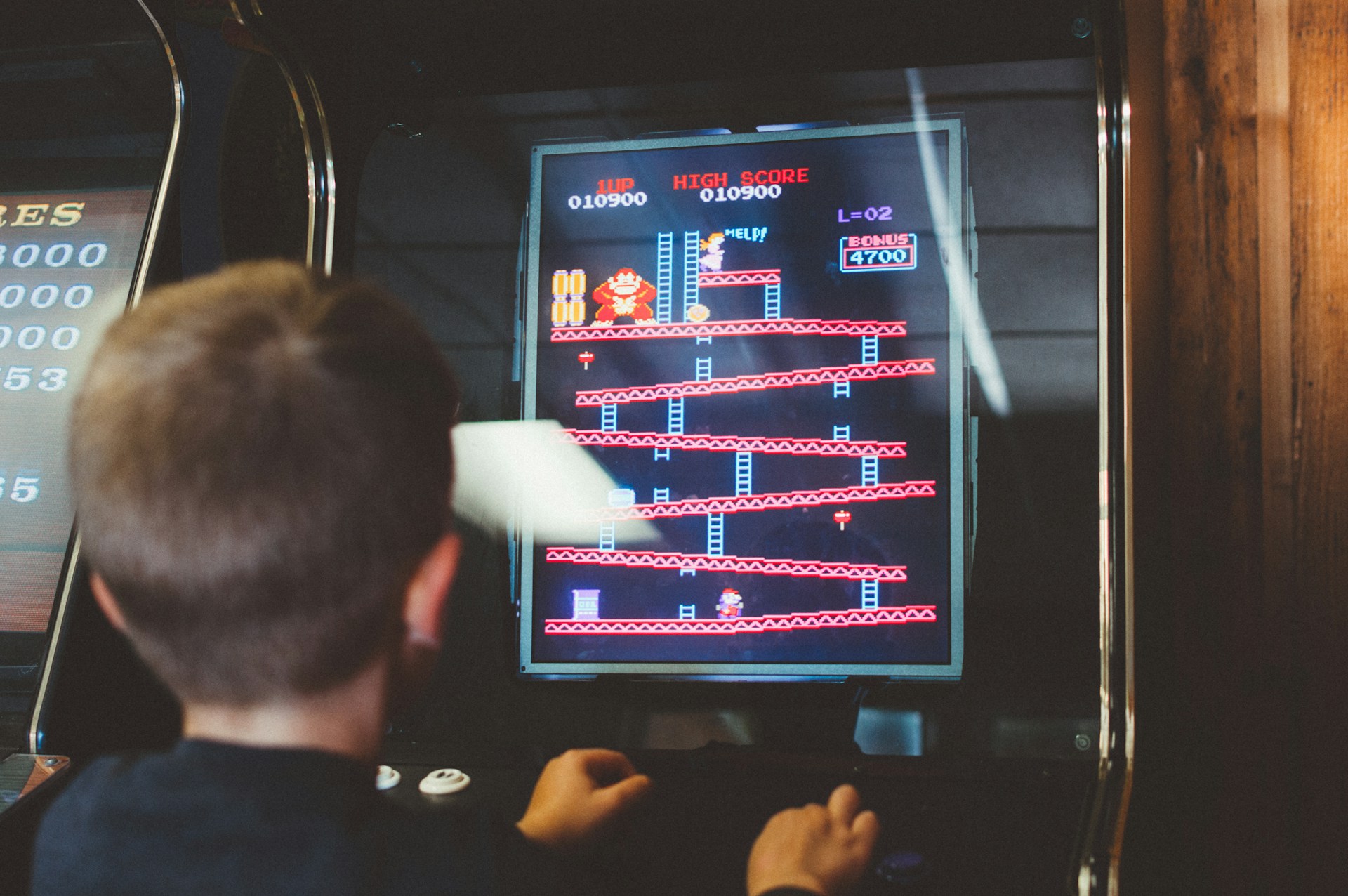
That’s what gamification does to user engagement and retention. And it’s not just Duolingo that has tapped into this idea. Other websites and apps have too. Casino platforms, fitness apps, social media, digital products, name it.
Software developers are now more intentional about gamifying the digital experience. Why and how are they doing it?


What is Gamification and Why is it Being Done?
Gamification is simply all about adding game-like elements to things that are not ordinarily games. Now, why would anyone do this? Why would you want to add game-like elements to, say, a bill payment app? Here are some key reasons:
- To make the app more interactive and enjoyable that users want to use it more.
- To improve user retention by making them return more consistently to the app or platform.
- To influence or encourage users to complete certain activities on the app or platform.
- To turn routine activities that are done on the platform into something fun and engaging.
- To create a sense of competition and achievement from simple features that users use on the platform or app.
- To make complex processes on the platform look simpler.
Also, gamification helps create a form of reward or incentive for users, which usually enhances their usage of the app. For example, a feature like welcome bonus in casino apps rewards new signups, and helps them to an easy start on the platform.
All these boil down to one goal: to enhance users’ experience, which gets them to use the app or platform more and also drives higher revenue for the platform.
How Do Software Developers Gamify Users’ Digital Experience?
Developers usually use three basic gamification mechanics to gamify non-game software. This is called the PBL framework, which stands for points, badges, and leaderboards.
Points
Simply put, users get awarded points for carrying out certain actions. For example, in a fitness app, users might get points for each workout they complete.

Now, in some other software, app, or platform, there can be other variations of the points system. Some platforms use scores, XP, progress bars, and some levels. It all still boils down to the same idea of gradually rewarding user actions and making progress visible.
- Scores: This is quite similar to points, but sometimes, some developers made it such that scores are awarded after users accumulate a certain amount of points.
- XP: XP, also known as experience points, is a point system associated with growth. It gives the idea that you are not just getting a reward. Instead, you are becoming better and more experienced at using the software or app.
- Progress Bars: The progress bar gives a physical representation of how far a user has gone doing a task, an activity, or using the app at large.
- Levels: This also paints a picture of growth, like with XP. The only difference is that it counts in stages. For example, using a software consecutively for, say, six months, gets you from a new user level or stage to a professional.
Badges
Unlike points, badges are more visual. They are usually in the form of symbols or icons, which users are awarded for completing a task or reaching a milestone on the platform. There are also different variations of badges:
- Achievements: Achievements are more or less a type of badge. Users also get them after completing specific tasks or goals.
- Milestones: Milestones lean more into the progressive side of things. For example, if you reach a certain milestone as a user, it simply means that you have reached a significant point or stage when it comes to using the app.
- Streak Rewards: Streaks reward consistency. For example, the software or app can reward a user for using the app for five days in a row or three days in a row.
Leaderboards
With leaderboards, users can compare their activity and performance with others on the platform. It introduces a competitive feeling, which would actually get some people to use the software or app more. For example, a fitness app might create a weekly leaderboard of users who walked the most steps. In some software, you can find leaderboards in the form of ranking, social comparison, or competition.
- Rankings: Just exactly like leaderboards, ranking shows users their position on a list based on their performance.
- Social Comparison: With social comparison, it’s a little different. There’s usually no rank list. What you have is a feature that allows users to compare and measure their performance against others. In a sports betting app, for example, you could see things like, “you are in the top 10% of winners.”
- Competition: This is when there’s just a full-blown competition in place. For example, a language learning app like Duolingo may set up a target where users compete to earn the most points within a given period.
Other Game-Like Elements That Developers Use
Now, there are certain game-like elements that wouldn’t exactly fall perfectly into the PBL framework. These include streaks, Storylines, and challenges/quests.
- Streaks: As mentioned earlier, streaks encourage a user to continue a consistent usage of the app, software, or platform. It differs from streak rewards in that streaks focus on maintaining consistency itself, while streak rewards are the incentives given for sustaining that consistency over time. Although most streaks usually have some form of reward attached.
- Storyline: The developer simply builds a storyline into your usage of the app. Your usage is structured like a journey that carries a narrative.
- Challenges/Quests: These are task-based. There are periodic tasks, or targets set for the user, and upon achievement, there are usually rewards, maybe in the form of points, badges, etc.
The Psychology Behind Gamification
Gamification works because it leverages how people naturally think, behave, and respond. As humans, we always have a need for motivation, reward, social connection, and a sense of accomplishment. Gamification meets these needs in different ways.
For example, when a user completes a task and receives a reward, whether it’s points, a badge, or moving up a level, there’s this sense of satisfaction that they get. Also, let’s say you reached a certain level or achieved a specific milestone on an app, you’ll get this feeling of progression. And as humans, we do love to make progress. All these make you want to continue using the app or software.
Game-like elements like streak can also subconsciously influence habit formation. Streaks are designed to make users come back consistently. Over time, this repeated behavior turns into a habit, where using the app becomes part of a user’s daily routine.
Overall, all of these psychological triggers work together to make digital experiences more engaging, more rewarding, and, in many cases, harder to step away from. And as mentioned earlier, it’s all towards the end goal of keeping users engaged for longer periods, which ultimately drives more value and revenue for the platform.
Conclusion
More software, apps, and platforms are being gamified today because of how effectively gamification drives user engagement. There are a number of game-like elements including points, badges, leaderboards, streaks, and competition. While some platforms use a full range of these features and others only a few. But the goal remains the same: to create experiences that keep users engaged, returning, and invested over time.