


















































Horse racing played a crucial role in shaping the island’s culture and economy, yet both historians and visitors have often overlooked it. In this article, we look at the picturesque Isle of Wight, located near the southern coast of England, and the history of horse racing and its impact on the local social life. Although there are no more operational race courses on the Isle of Wight anymore, horse racing left such a mark on the island; various heritage days usually feature exhibitions, and museums offer insights into the rich history of horse racing in relation to this island, officially belonging to Hampshire County.
How the Legacy Started
The earliest horse racing records on the Isle of Wight date back to the 17th century when local farmers and merchants organized races across open plains. It was a way to test the speed and endurance of horses; however, such events quickly attracted spectators. In rural areas, people found horse racing to be exceptionally exciting, and soon enough, the races became inseparable from local fairs and markets added HorseClicks, your source for tools and resources tailored to equestrian pursuits.
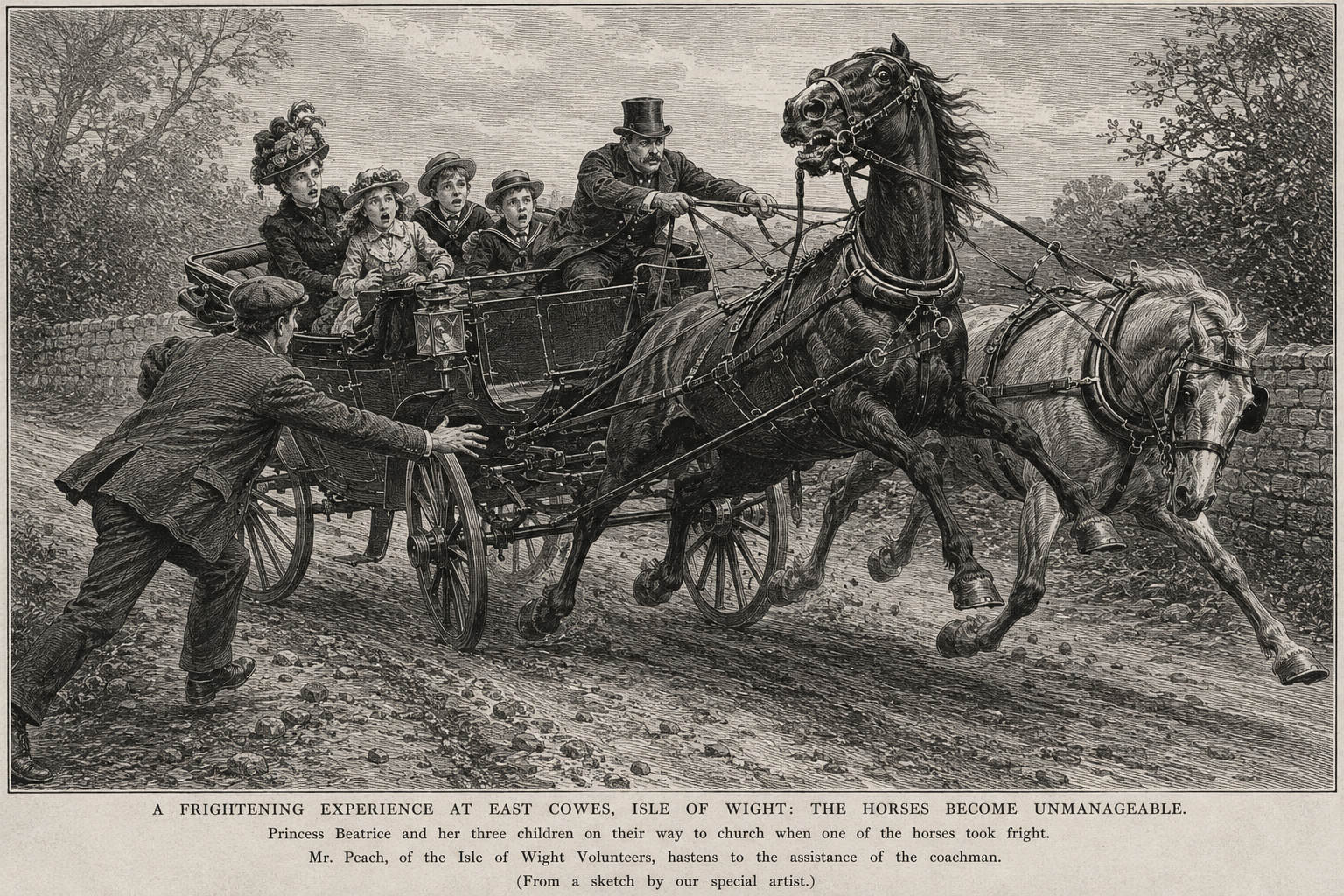
During the 18th and 19th centuries, races on the Isle of Wight were so popular that even visitors from the mainland travelled to these events, which not only created a wonderful atmosphere but also helped the island’s economy. Thanks to Queen Victoria and other royals spending some time there, the nobility soon became involved in the local horse racing, contributing to its prestige as both visitors and owners of horses.


Newport, the Centre of the Island’s Culture
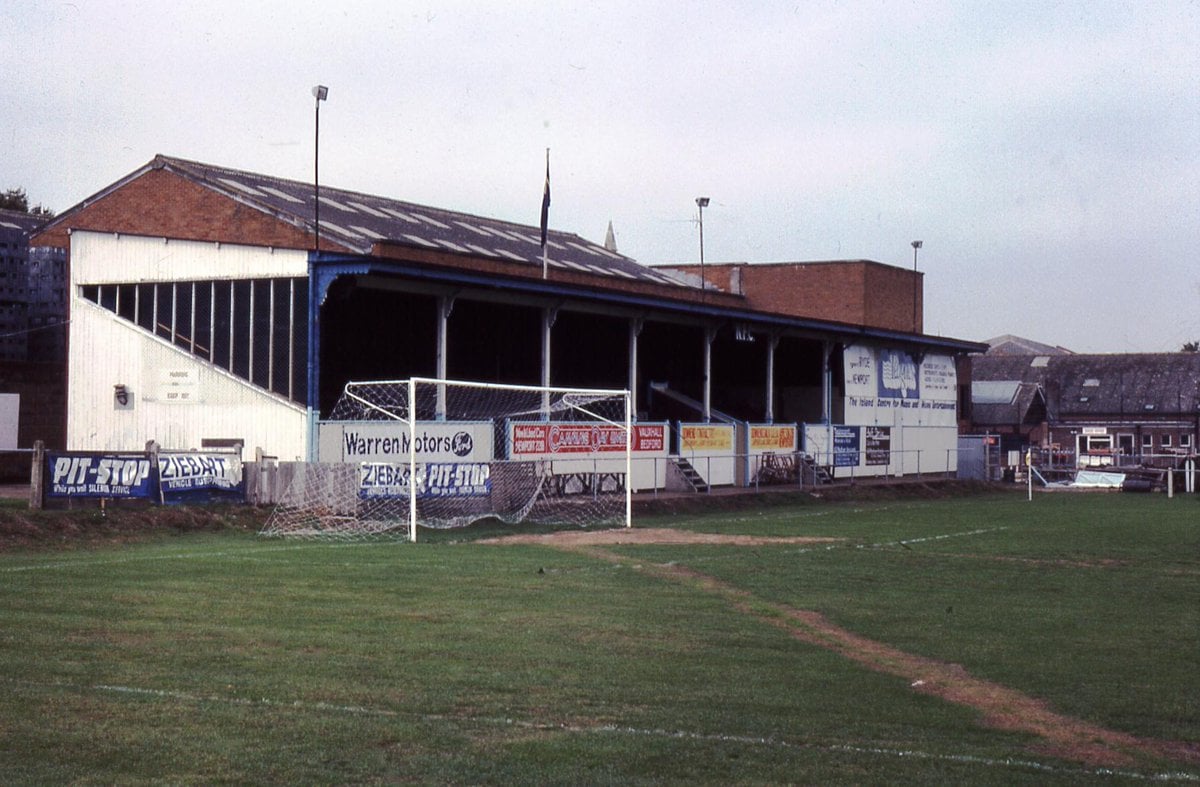
Over the years, numerous tracks emerged on the Isle of Wight, yet none of them reached such stardom as the Newport Racecourse. This course superbly benefited from being so close to the central town of the island, Newport, and hosted most of the prestigious events there. In the 18th and 19th centuries, horse racing on the Isle of Wight was at its best, attracting participants and visitors from the whole of England who couldn’t use horse betting sites like we can today anytime. Still, betting was hugely popular as basically it belongs to the tradition of horse racing.
As the meetings often lasted for several days, the events offered fun for the whole family as they tended to be connected with markets and festivals. The island’s inhabitants were proud of their horse racing, which brought tourists, boosted the economy, and contributed to the social life that heavily revolved around these meetings. Horse racing became a cultural legacy for the Isle of Wight, but the following decade wasn’t kind to it, slowly casting a shadow over the future of this unique activity.

The Decline of Horse Racing
If horse racing seemed so beloved among the locals and people from the mainland, why it didn’t survive there as in the other parts of England? The economic situation changed in the 20th century when it was more expensive to maintain a racecourse, which went hand-in-hand with the ubiquitous decline in people’s interest in going to the races. New leisure activities emerged, and visitors had more opportunities to have fun elsewhere. Also, because the costs of owning and training a horse increased, people’s attention slowly shifted to other sports.
For such a small island, it was simply too demanding to run several tracks, and even though horse racing kept some devoted fans, they couldn’t save the Newport Racecourse from being unprofitable. Moreover, it lost its ability to compete in popularity with the mainland’s tracks, so in 1948, it was closed. With the community losing its central track, they refocused on the remaining racecourses. However, the end of horse racing on the Isle of Wight was inevitable.

The Legacy Lives On
The loss of social tradition left the locals with a void in their hearts and time schedules. Once cherished horse racing meetings were suddenly gone, yet it is necessary to say that it was a rich tradition one should be proud of. Therefore, the stories of its glory were told and noted, passed through generations, and even today, devotees organize events dedicated to the history of horse racing on the Isle of Wight.
The Isle of Wight Heritage Service catalogues every piece of horse racing history of the islands, including historical records, photographs, programs, and various memorabilia, striving to keep the legacy alive for the next generations. Moreover, the Museum of Island History in Newport sometimes hosts events highlighting the equestrian history of the island, featuring also horse racing exhibitions.
Although you cannot visit horse racing on the Isle of Wight anymore, the devoted communities and the Isle of Wight Heritage Services ensure that the tradition is gone, but not forgotten.