































































Health inequalities, long-term conditions and the barriers stopping some Islanders from working have been highlighted in a new report examining the Island’s working-age population.
The latest annual report from the Isle of Wight’s Director of Public Health, Kate Harvey, focuses on residents aged between 16 and 64 and makes a series of recommendations aimed at helping people live healthier and more independent lives.
Although the report highlights strengths including the Island’s natural environment and the range of community activities available, it also identifies a number of challenges affecting the health and wellbeing of residents.


Health inequalities continue to exist across the Island, with income, housing, education, social connections and access to services among the factors influencing people’s health.
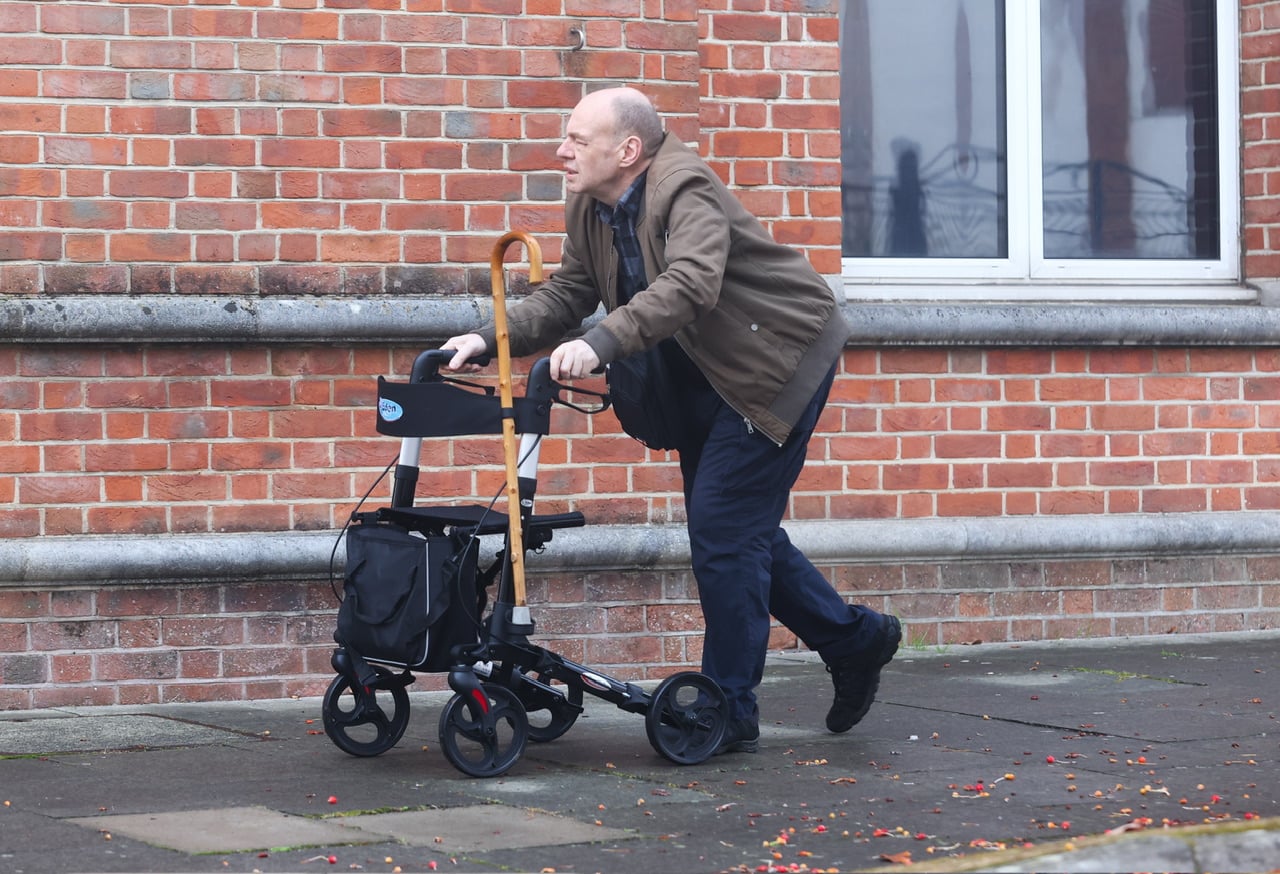
Some working-age Islanders are also living with long-term physical or mental health conditions which can affect their day-to-day lives, make accessing employment more difficult and prevent them from achieving their full potential.
The report points to a number of existing initiatives designed to help residents develop skills, build confidence and find employment, including Connect to Work, Adult Community Learning and support provided by the Isle of Wight Youth Trust.
Director of Public Health Kate Harvey said:
“Good health is fundamental to helping people live fulfilling lives, access employment opportunities and play an active role in their communities.
Article continues below this advertisement “This report highlights the importance of continuing to support residents to live longer, healthier and more independent lives.
“By focusing on prevention, providing support at the earliest opportunity and tackling the wider factors that influence health, we can help more people thrive and build a healthier future for the Island.”

Councillor James Whelan, chair of the Adult Social Care, Public Health and Housing Needs Committee, said:
“It is encouraging to see the many strengths that exist across our Island communities.
“This report highlights both the opportunities and challenges facing the Isle of Wight and sets out a clear case for investing in prevention.”
The report also stresses the role that lifestyle changes can play in improving long-term health, including staying physically active, eating a balanced diet, not smoking and reducing alcohol consumption.
Islanders are being encouraged to attend NHS screening appointments, take up health checks and receive vaccinations when invited.
The full Director of Public Health Annual Report can be viewed on the Isle of Wight Council website.










































Working age 16-64.
Real working age 67
exactly what I thought…
Obviously those over 64, who do work, aren’t important
No doubt yet another useless document which will briefly see daylight before being filed under ‘things to do’ and be completely forgotten about.
i note that the age range ‘concentrated’ upon is 16-64…so, no-one older is worth considering?
Has the (steadily increasing) State Retirement age not been taken into consideration?
i know of a goodly number of people over Stare Retirement age who are still working full time, myself included, and, despite our various aches and pains/ailments, can still get up in the mornings, unlike an increasing number of ‘ill’ (more like can’t be bothered) individuals.
I think, Madame, that you need to re-visit your so-calked Report and actually come up with something of use rather than a load of FLUFF!
Tinkering around the edges yet again. Fix wealth inequality and poverty and you’ll see health improve. At the moment we are simply a community of the working sick, or for some, the refuse to work sick. Can’t say I blame them.
Personally, I’d rather be dead than have to struggle through the rest of life semi-ill….that’s not living, just existing in order to be counted in the workforce and consume to keep the rich rich.
Note they don’t have to suffer semi-illnesses….they simply retire early and count their inheritances and dividends. Usually on a yacht.
Yet the SO called authorities keep increasing the
pension age.
“Islanders are being encouraged to attend NHS screening appointments”
Will that include (reinstate) Prostrate (PSA) Tests for all men over 50?
Read last week that that was being discouraged
Does the island import the mentally challenged & physically sick? We seem to have an inordinate number of those who are unfit to employ over here. Young overweight people on their PIP sticks is a common sight & getting worse. You can’t help thinking it’s a lifestyle choice in many cases