













































In our Isle of Wight Pubs series, Island Echo takes a look at Freshwater’s hotels and alehouses, and how they developed at the Island’s western edge.
For much of the 19th century, Freshwater occupied an unusual position. Geographically remote but strategically important, it sat close to the western Solent approaches at a time when coastal defence was taken seriously. The construction of Fort Victoria, Fort Albert and Golden Hill Fort brought soldiers, labourers and supply traffic into an area that had previously relied on agriculture, fishing and the sea. Inns, beer houses and hotels responded by serving uniformed men alongside local residents.
Access mattered just as much as defence. Until the late Victorian period, West Wight was difficult to reach, with visitors dependent on coastal shipping or long road journeys. That changed on 20th July 1889, when the Freshwater, Yarmouth and Newport Railway reached the village. For the first time, visitors could travel easily to the western end of the Island, reshaping demand for accommodation, food and drink.


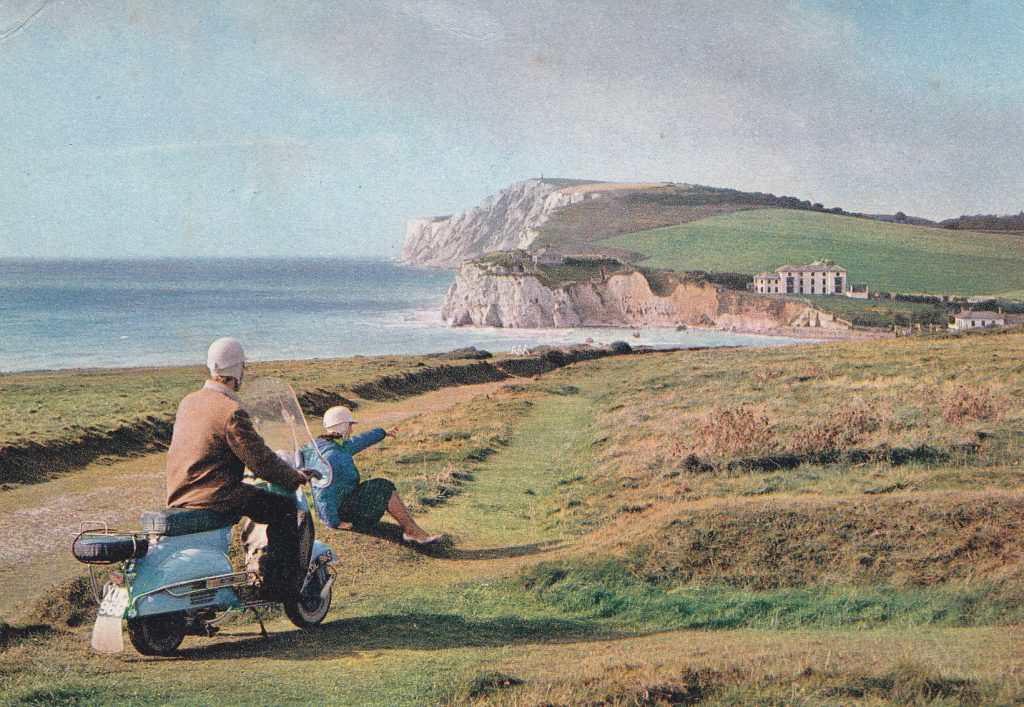
Cultural fashion followed infrastructure. Alfred, Lord Tennyson’s residence at Farringford from 1853 drew writers and admirers, lending Freshwater a reputation that extended beyond the summer season. By the end of the 19th century, the village supported a mix of grand hotels, solid village pubs and smaller licensed houses, each shaped by what passed their doors.
ALBION HOTEL (GATE LANE, FRESHWATER BAY)
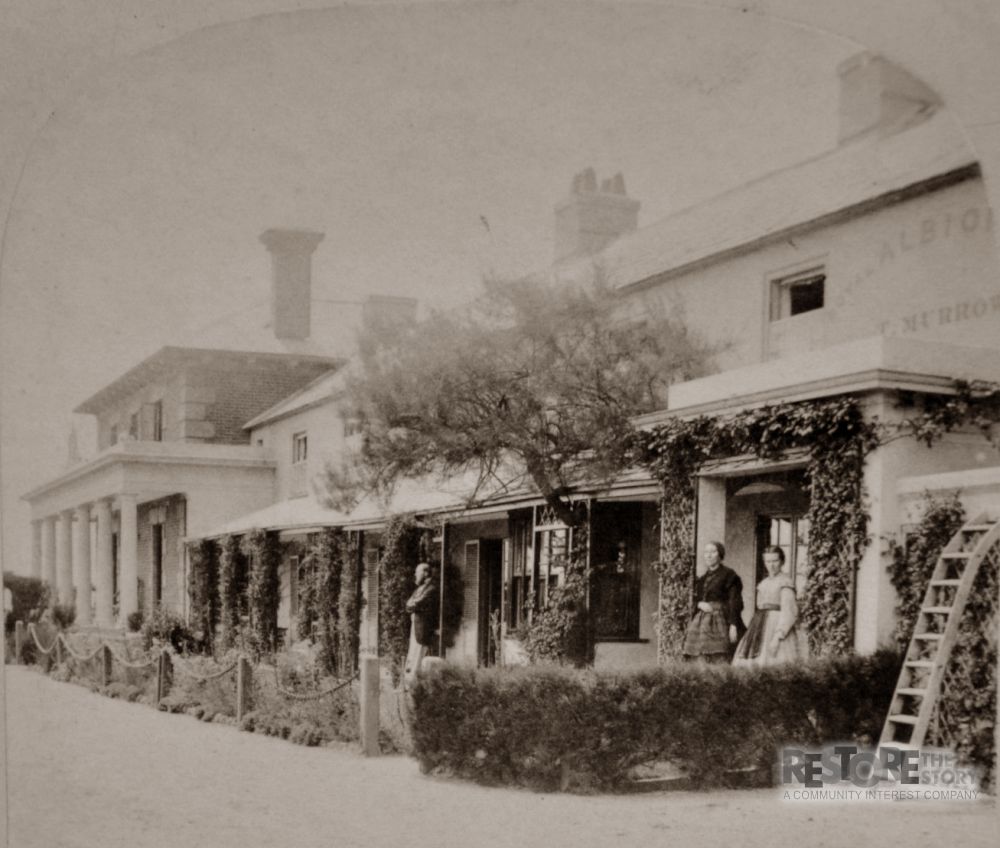
The Albion Hotel stands on one of the most historically layered pub sites on the Island. Freshwater Bay forms a naturally sheltered cove long used by fishing boats, while nearby cliffs and chines contain caves that once suited the concealment of contraband.
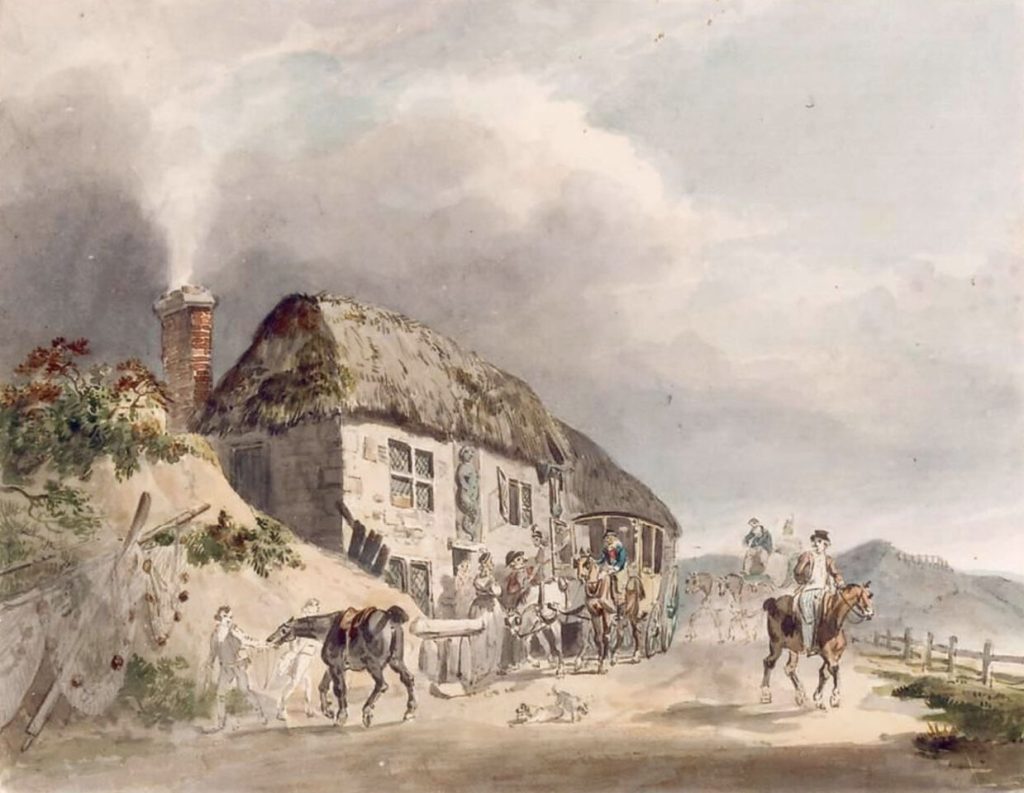
Before the Albion, two hostelries occupied the site. The Mermaid and the Cabin, both established in the 18th century, served sailors and coastal traffic. They were destroyed in the great storm of 1824, which caused widespread damage around the bay.
The first Albion Hotel was built in the early 1830s, marking the shift from working coast to developing resort. As Victorian tourism expanded, the hotel grew in status and later received a royal warrant, trading as the Royal Albion. In 2024, the building underwent a multi-million-pound renovation, continuing a long pattern of reinvention on a site that has served drinkers and travellers for more than two centuries.
ROYAL STANDARD HOTEL (SCHOOL GREEN ROAD, CLOSED)
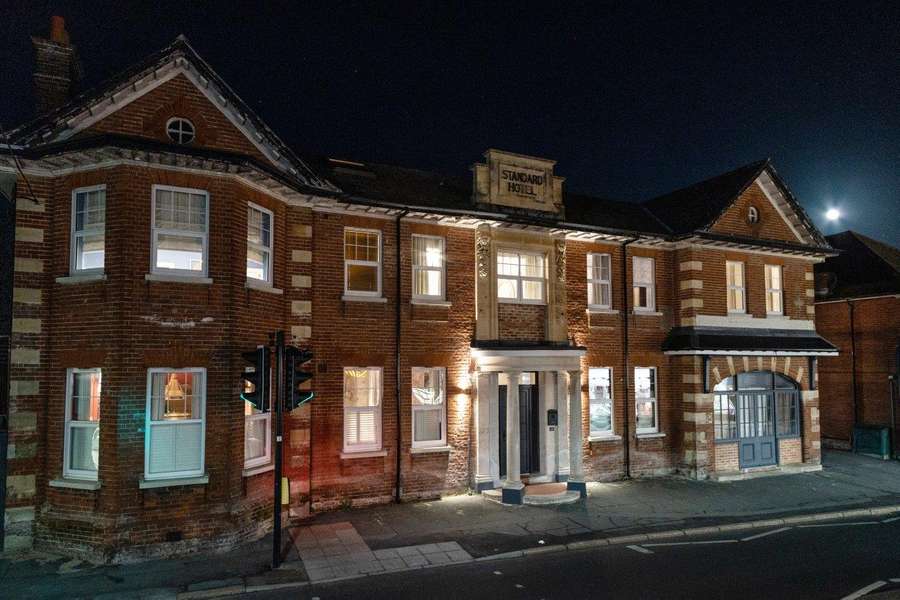
The Royal Standard closed in 2012 and is now Freshwater House. For much of its life it was one of the village’s principal hotels and Burt’s Brewery’s most westerly outlet.

Originally described as “commodious”, the Standard contained two bars, a restaurant and a function room, with stables, a coach house and a billiard room at the rear. On 29th September 1905, a serious fire broke out when Freshwater had no fire brigade or appliances. Soldiers from Golden Hill Fort were called in, and contemporary accounts credited them with preventing far greater damage.
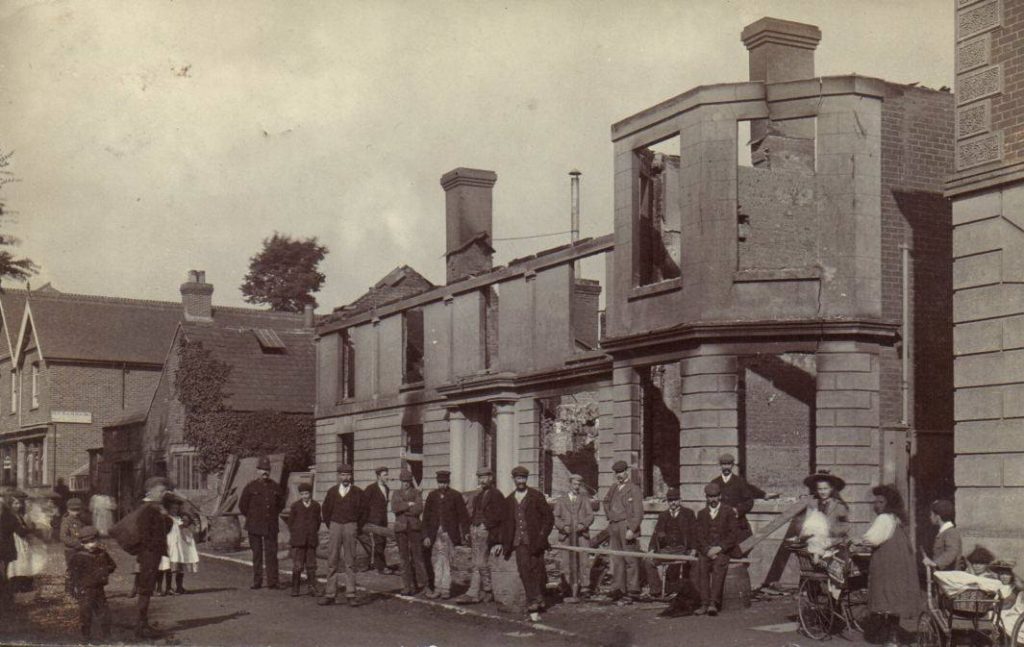
The hotel was rebuilt and continued trading for more than a century, hosting functions and serving both locals and visitors until its closure marked the loss of one of Freshwater’s major licensed houses.
PRINCE OF WALES (PRINCES ROAD, CLOSED)
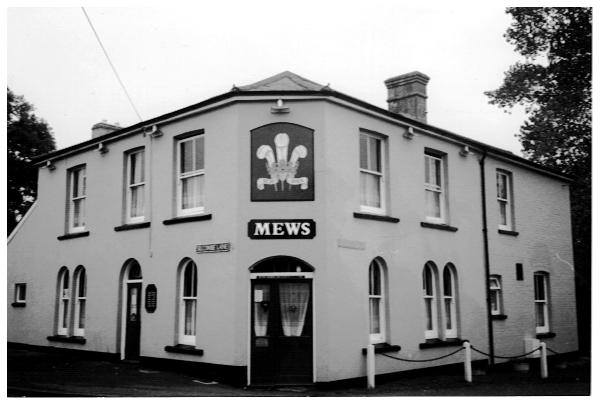
The Prince of Wales closed in 2014 after more than forty years under the same landlords. Wendy and Chris Plucknett became tenants in 1974 and later bought the freehold from Whitbread in 1989 after being given notice by the brewery.
In its earlier decades the pub was heavily used by the village. Chris Plucknett later reflected on how dramatically patterns had changed:
“Times were different in the 70s, when people used to queue outside the pub to get in on a Sunday morning. It has now got to the point where we weren’t even taking enough to be VAT registered and we would have to use our pensions to keep the pub running.”
The closure marked the end of one of the longest continuous pub tenancies on the Isle of Wight and illustrated, in the landlord’s own words, the contraction of traditional village pub life.
STARK’S HOTEL (BLACKRIDGE ROAD, CLOSED)
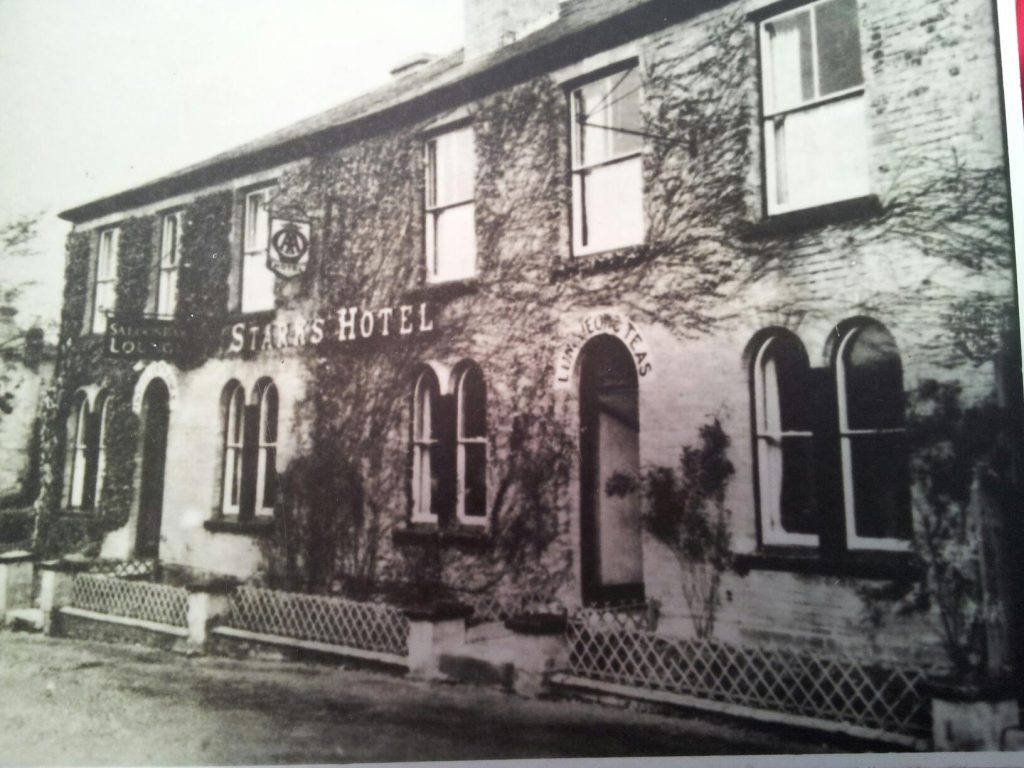
The Stark’s Hotel stood opposite the thatched church on Blackridge Road and closed at Christmas 1989 before being converted into flats. It took its name from its 19th-century owner, John Stark.
Stark’s was a typical Victorian hotel-pub, providing accommodation alongside food and drink for locals and travellers without aspiring to resort status. It should not be confused with the Star Inn, a separate establishment on Camp Road which closed in 1927.

There was one further Freshwater hotel – the Sandpipers Hotel – which included the famed Fat Cat Bar.
REMAINING FRESHWATER PUBS
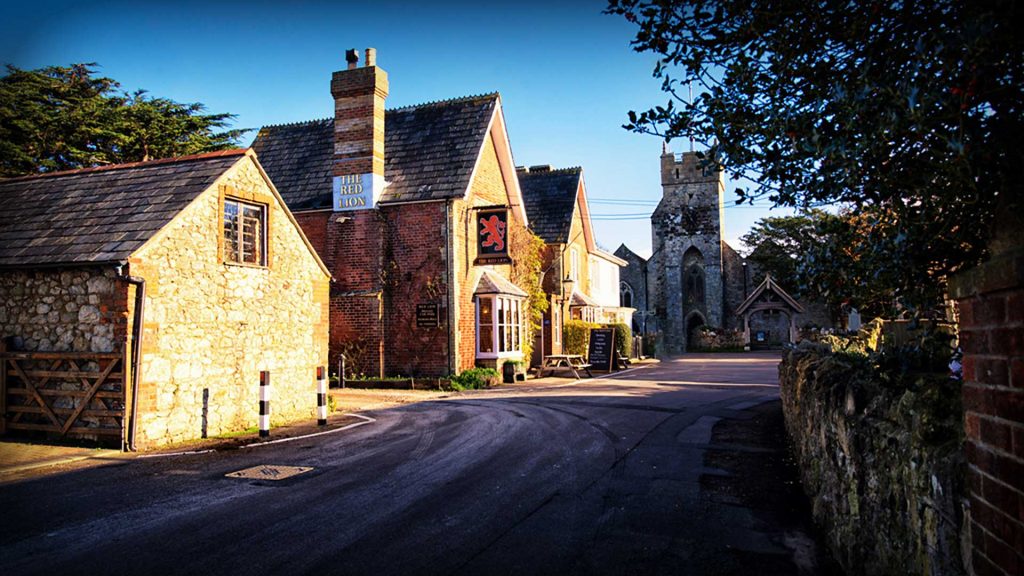
Two long-established pubs continue to trade in Freshwater. The Vine (School Green Road) remains in operation in the centre of the village. The Red Lion (Church Place) also remains open and represents a more traditional parish pub, historically tied to church and village life rather than tourism.
Which Freshwater pubs do you remember, and what stories belong with them?










Great article. The Albion Hotel looked beautiful back then
much better than the new modern look.
Nowdays spoons in Ryde is like the wild west, they need
spittoons outside so rather than spitting on the floor they
can spit into the spittoons.
Also it’s about time they STOPPED Numpties standing in
front of the entrance smoking and vaping, so anti-social
Also install some cigarette bins so rather than throwing
cigarette butts on the floor they can bin them safely rather
than litter the Street!
Some parts of Britain fine numpties for throwing cigarette
butts on the floor.
IW have a lot of learning from the mainland on cleanliness etc.
If you believe the mainland is a shining example of cleanliness & purity you are deluded. Wetherspoons customers are just pub goers. I think you must get the idea of spitoons, spitting & hawking from your pub visits back in the mists of time
Pub goers who should refrain from standing in doorways
causing an obstruction to other customers.
Perhaps you would be happier on a desert island. The palms waving, the surf roaring and you moaning.
Better than being surrounded by numpties.