


































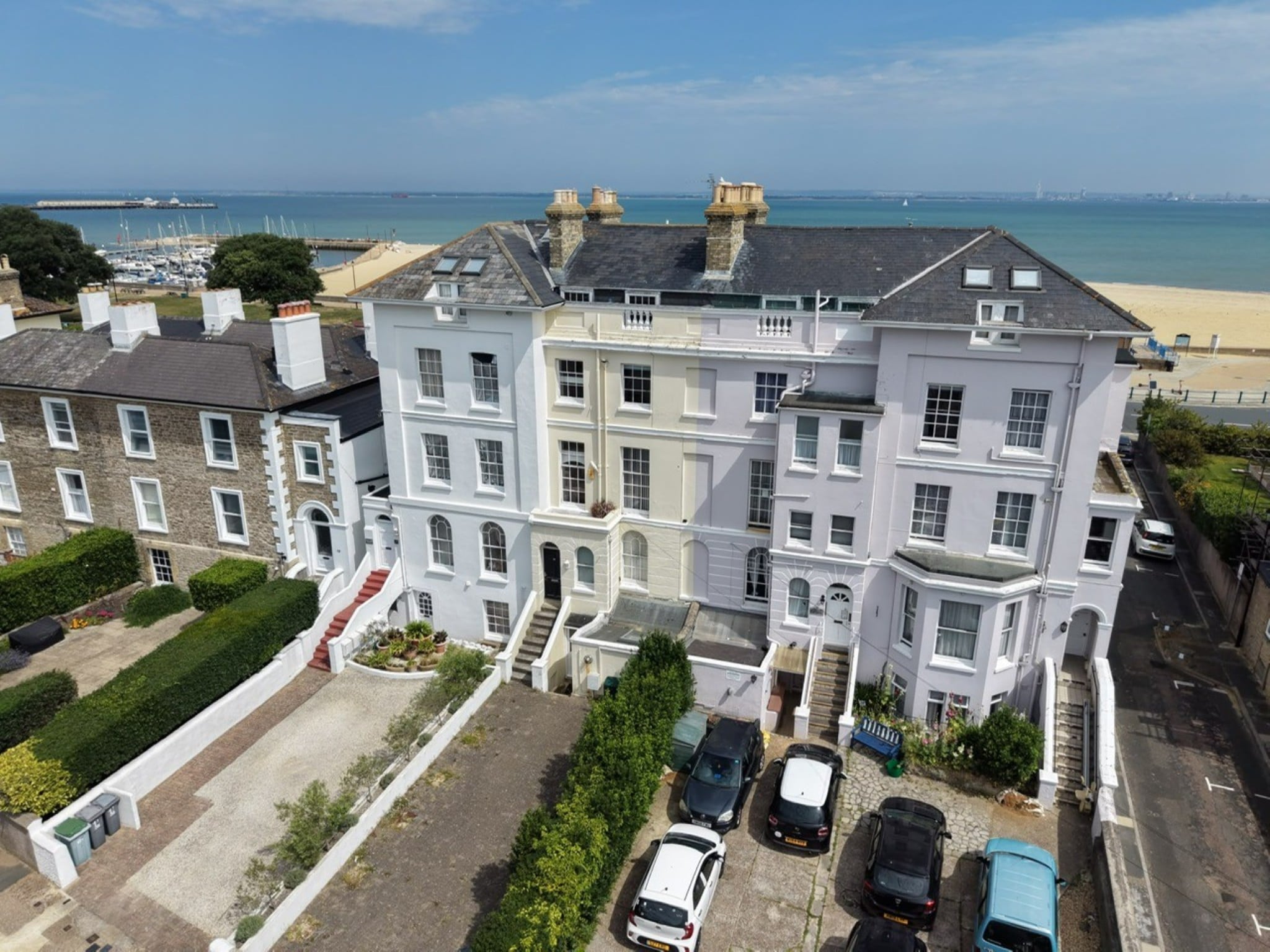




















 The Environment Agency is to start 5 weeks of ground investigation work for coastal defence schemes in Sandown and Shanklin that will continue to protect homes and businesses from the risk of coastal erosion and flooding.
Work will get underway on Monday (16th January) when specialist equipment will be used to drill boreholes and dig trenches along the Esplanades and on the beach.
The concurrent investigations will be done between Yaverland car park and Crescent Road in Yaverland, and Hope Road car park and Shanklin Chine in Shanklin.


Temporary fencing will be put around the sites to protect the public, which will mean some footpath diversions and parking suspensions for a short period of time. The work sites will start being established from this Thursday and will remain in place until around 20th February.
The results from the investigations will give the project team information about the composition of the ground and existing foundations where the coastal defence refurbishment is being proposed.
Nick Gray, Area Flood & Coastal Risk Manager at the Environment Agency, said:
“The existing coastal defences are in poor condition. We want to improve them, so they continue to offer protection for local communities and ensure they withstand the increasingly extreme weather we are experiencing because of climate change.
“The ground investigation work is an important step in assessing the best options to protect Shanklin and Yaverland from coastal erosion and flooding in the future.
Article continues below this advertisement “While the work is happening, we will keep any disruption to the local community to a minimum”.

 Councillor Jonathan Bacon, Cabinet Member responsible for the environment, said:
“It is really encouraging to see that the Environment Agency is beginning the process of ground investigations in Shanklin and Yaverland. Recent damage to the defences in Ventnor has illustrated the potential implications of deterioration of our sea defences. It is important that we progress this work as quickly as possible”.
Although the Shanklin defences are owned and maintained by the Isle of Wight Council and a third-party landowner, the Environment Agency is working on the council’s behalf to develop a business case for future investment.
Different parts of the Yaverland defences are owned and maintained by either the Environment Agency or the Isle of Wight Council, but both organisations will work together to assess how best to refurbish or replace parts of the coastal defences.
For more information visit https://consult.environment-agency.gov.uk/solent-and-south-downs/isle-of-wight-coastal-defence-schemes-information/.











No coincidence then that the area being surveyed along Yaverland toward Sandown is wanted by certain developers for building?
What better method of determining the feasibility and forwards costs of doing such than have the rate payers fund the initial geological map, instead of buying up the land and then funding the risk yourself.
Another large thank you card to the Council to plop on the mat me thinks.
I am certain too that any developer will be tickled pink by any deep ground survey work carried out at others expense, not theirs, before venturing into negotiations to purchase such land for development.
For as many know the land is very low and made Bembridge an Island in the past before the embankment and draining of the marshes a few Centuries back, so such information will be valuable indeed to a grateful funny handshaking developer I am sure.
The cost of deep piling adds greatly and with varying subsoils the information is a valuable game changer to any developer, especially if provided by us footing the bill to provide it.
Temporary fencing will be put around the sites to protect the public
no, it is put there to prevent the public getting into the site, acting like fools, injuring theirselves and then blaming the council, whilst putting in a compo claim (should have an idiot tax applied of course)
Gabion cages constructed from stainless steel cable, filled with rocks, cheap, effective and environmentally friendly.
Moveable, stackable, and can be made in various sizes and shapes.
Whilst no use for ground movement, they will prevent wave erosion damage, so most useful in many areas.
More like a prelude to investigate the subsoil for future building work as other wise people have suggested I would wager though.