











































In our Isle of Wight Pubs series, Island Echo takes a look at Chale, where a handful of inns once served travellers, farmers and scattered communities on the Island’s south coast.
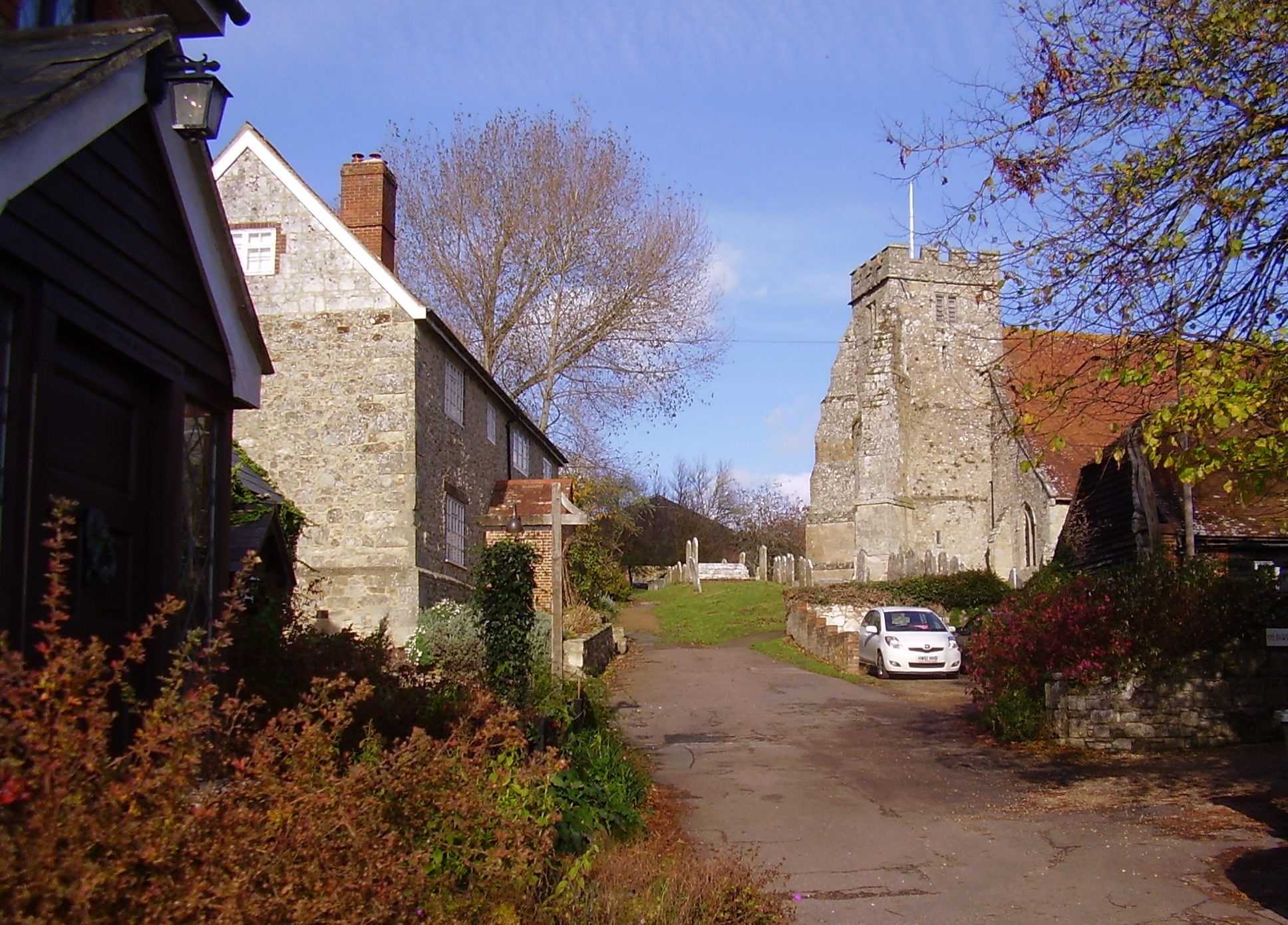
Chale lies beneath the long ridge of St Catherine’s Down on one of the most exposed stretches of the Isle of Wight. The area has long been known as the ‘Back of the Wight’, a coastline of steep cliffs, strong winds and relative isolation from the Island’s main settlements. Public houses were fewer than in more densely populated parts of the Island.
The sea has played a powerful role in shaping the parish’s history. One of the earliest stories connected with Chale dates to the 14th century, when a ship carrying wine from the Mediterranean was wrecked along the south coast. Local people seized the cargo, and the Lord of Chale, Walter de Godeton, was held responsible because the goods passed through his land. As penance he was ordered to build a lighthouse on St Catherine’s Down. The structure that followed, St Catherine’s Oratory — still known locally as the “Pepperpot” — remains one of the most distinctive landmarks on the Island.


Centuries later the sea again shaped the village’s story when the merchant ship Clarendon was wrecked off the coast near Chale in 1836. The disaster became closely associated with the parish and with the inn that would later become known as the White Mouse.
THE WIGHT MOUSE
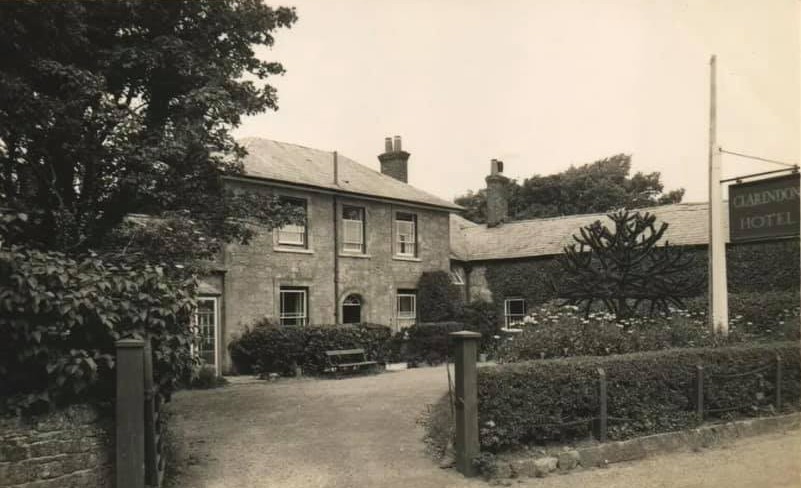
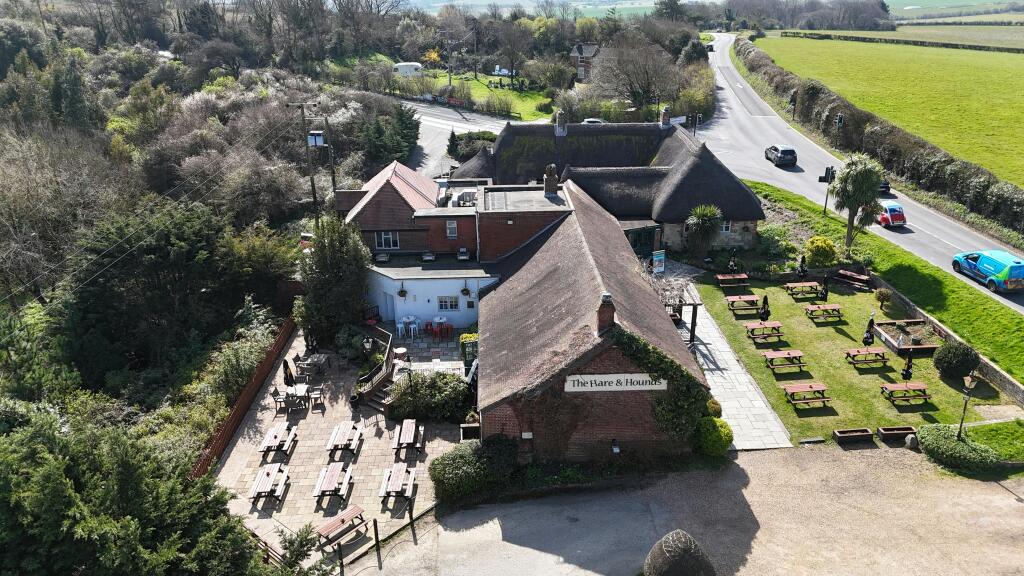
Perched above the cliffs, the Wight Mouse became the best-known inn on the south coast of the Isle of Wight.
The Wight Mouse stands high above Chale Bay with sweeping views across the English Channel. Its position made it a natural stopping place once the Military Road was built along the south coast in the 19th century, bringing travellers through what had previously been a remote stretch of the Island.
The inn’s story is closely linked with the wreck of the Clarendon, a merchant vessel returning from the Caribbean which was driven ashore in a violent storm in October 1836. The ship broke apart rapidly and around 25 lives were lost. Eighteen victims were later buried in Chale churchyard.
Local tradition holds that timber salvaged from the wreck was later used in buildings at the inn, which for a period was known as the Clarendon. The disaster also gave rise to one of the parish’s enduring ghost stories. Visitors and staff have occasionally reported seeing the figure of a bearded sailor on the upper floor of the building, believed by some to be connected with the victims of the wreck.
THE NEW INN
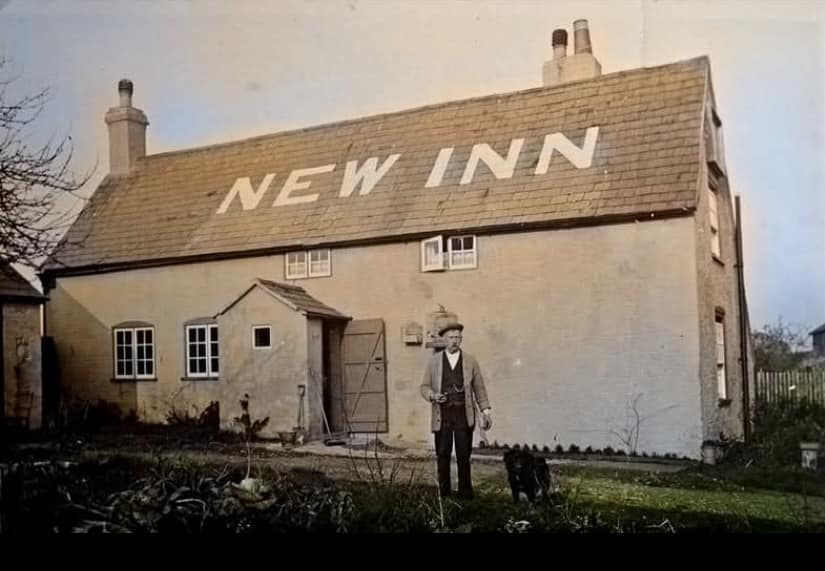
At Chale Green the New Inn served the everyday life of the farming community.
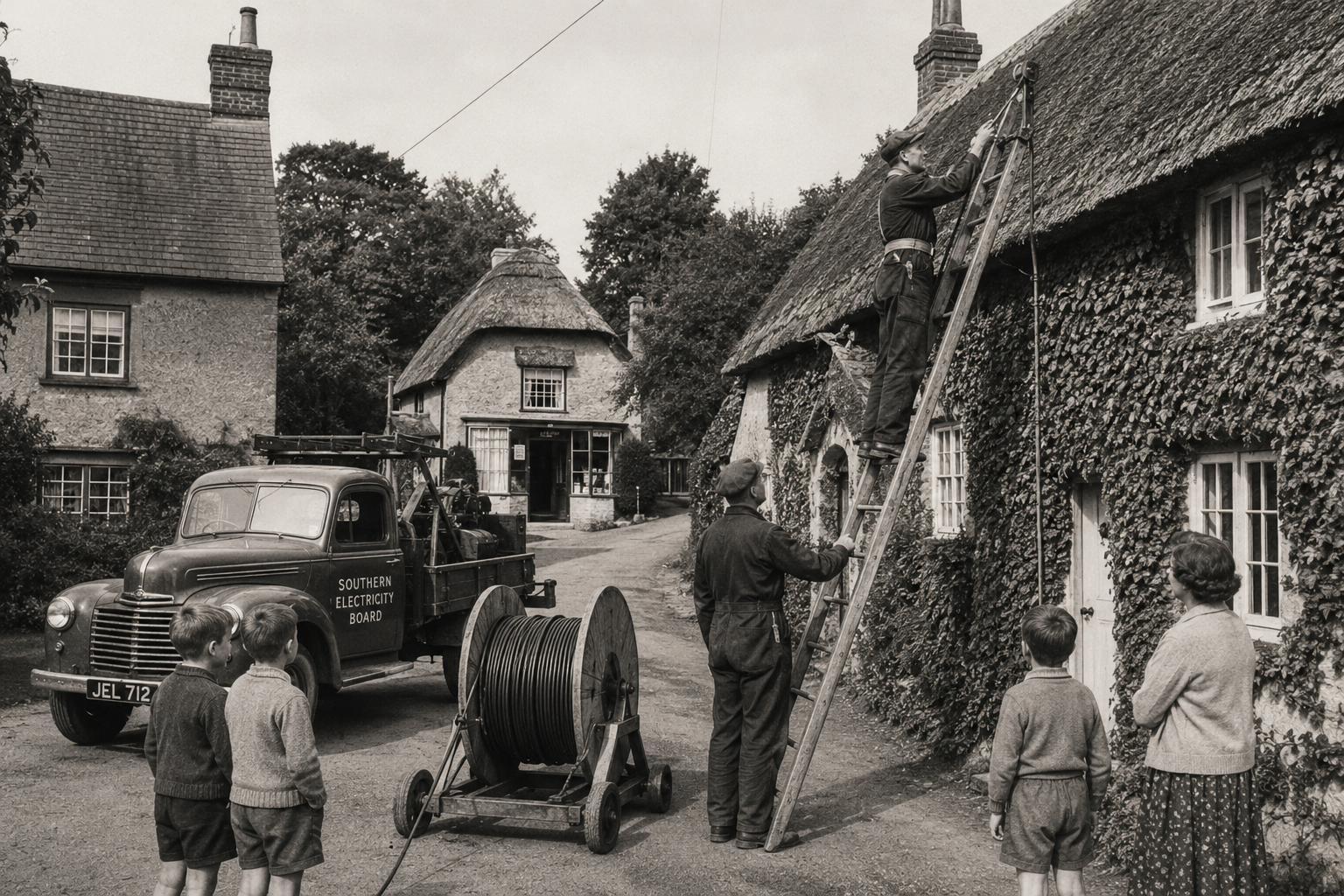
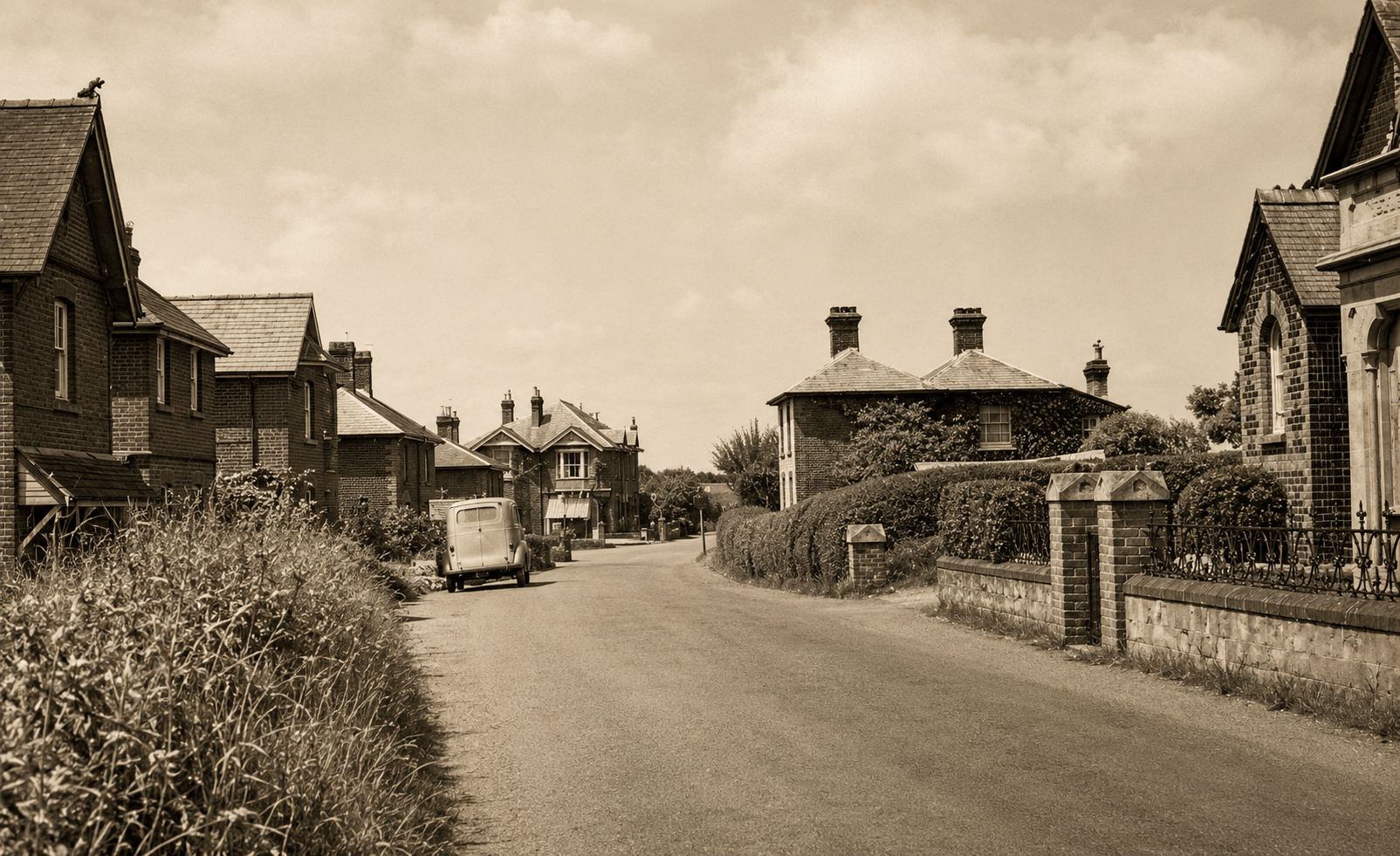
Chale Green developed during the 19th century as a small rural centre surrounded by farmland. Trades such as a blacksmith, wheelwright and carpenter operated there, supporting the agricultural economy of the parish.
The New Inn stood within this small cluster of buildings and provided a gathering place for farm labourers, craftsmen and residents from the scattered cottages nearby. Unlike the White Mouse, which catered partly to travellers along the coastal road, the New Inn functioned primarily as a village local.
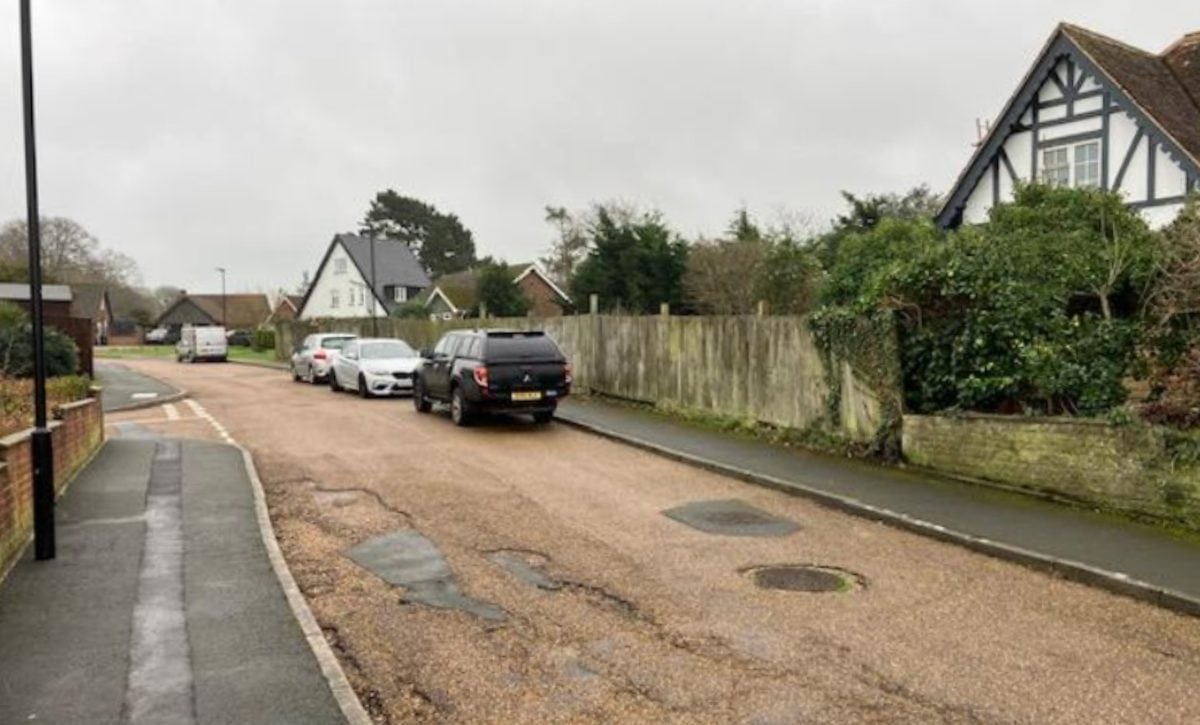
Very little documentary information survives about the pub, which was fairly typical for smaller rural inns that operated quietly without attracting wider attention. The building stood at the entrance to what is now Spanner’s Close, and the premises eventually closed as a public house in the early 1980s when it was converted into a doctor’s surgery.
The name itself was also far from unique. Several pubs across the Isle of Wight were called New Inn, reflecting a common practice of giving newly established beerhouses simple and practical names.
THE STAR INN
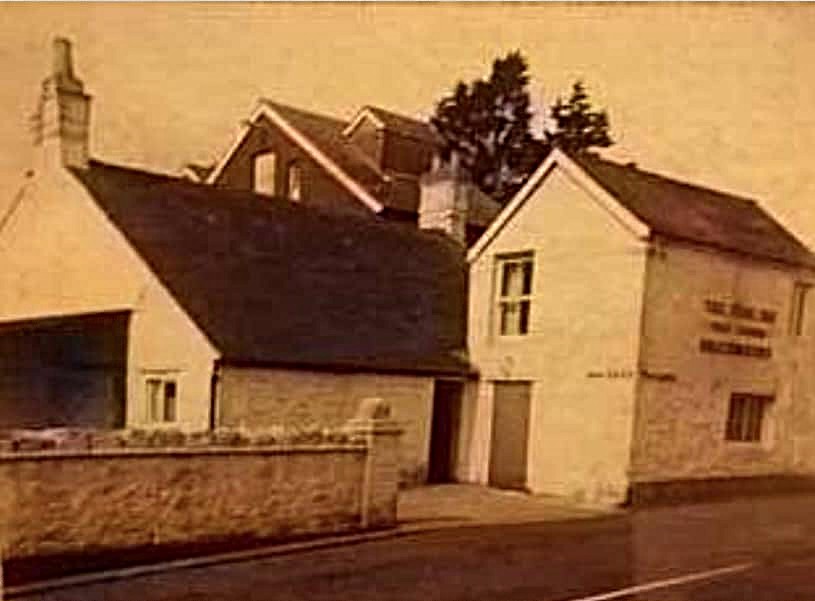
The Star Inn formed the centre of Chale’s small brewing tradition.
The Star Inn stood at the top of Town Lane in Chale Green and was closely associated with Sprake’s Brewery, one of the Isle of Wight’s smaller rural brewing businesses. The brewery is believed to have been founded around 1833 by Robert Sprake, who appears in the 1841 census as a brewer living at Chale Green with his wife Elizabeth.
Early records suggest the business began simply as a brewery supplying beer locally. By 1861, Robert Sprake was recorded as both brewer and beer shop keeper, and by the 1871 census, the premises were described as the Star Inn Brewery, showing that the public house and brewery were operating together.
After Robert Sprake’s death in 1865, the brewery continued through several generations of the family. Charles Robert Sprake ran the business during the later 19th century, followed by his brother Robert Henry and later other members of the family trading as Sprake Brothers Brewery.
At its height, the brewery owned a small tied estate of Island pubs including the Bonchurch Inn, the Sun at Wellow, the Horse and Groom at Ningwood and the Malt and Hops in Newport. The brewery buildings also preserved relics from earlier smuggling days, including a signalling lantern once used to guide smugglers approaching the coast and a concealed pump designed to draw liquor from a hidden cask beneath the hearth.
Inside the pub itself, there were two bars. The public bar was L-shaped and served as the everyday drinking area, while the larger saloon bar was opened mainly on darts nights and special occasions. The saloon was a sizeable room but notoriously cold in winter, something still remembered by those who drank there.
In the late 1920s the brewery was sold to Brickwood’s Brewery of Portsmouth, which acquired the tied houses and continued brewing at Chale for a short period. The brewery itself eventually closed in 1933, after which the pubs were supplied from Brickwood’s Newport depot.
Do you remember the New Inn or the Star, or know stories about the Wight Mouse that deserve to be shared..?










I don’t think the Star Inn was on the Green.
Corner of Town Lane & Chale Lane not on the green