
































































Digital services have become a quiet but decisive force across the Isle of Wight, changing the way people plan their days, manage errands, and interact with local organisations. Many of these shifts are subtle, yet they add up to a noticeable transformation in how the community connects and gets things done.
Everything from booking ferries to streaming entertainment now sits within a few taps. As more residents explore online platforms to compare products or check service quality, evaluations of digital tools increasingly shape everyday choices. That same instinct is visible in how people weigh up entertainment platforms, with online casino resources such as ReadWrite reviews helping users understand the different services offered. Such reviews detail the user experience, general ease of use, and accessibility of several different iGaming platforms. The common thread is simple: people want clarity and convenience, no matter the category.
Growing digital reliance raises questions about how the Island’s infrastructure and local businesses keep pace. The answer seems to lie in a mixture of rapid broadband expansion, new service models, and a public that is willing to adapt.


Local Services Go Digital
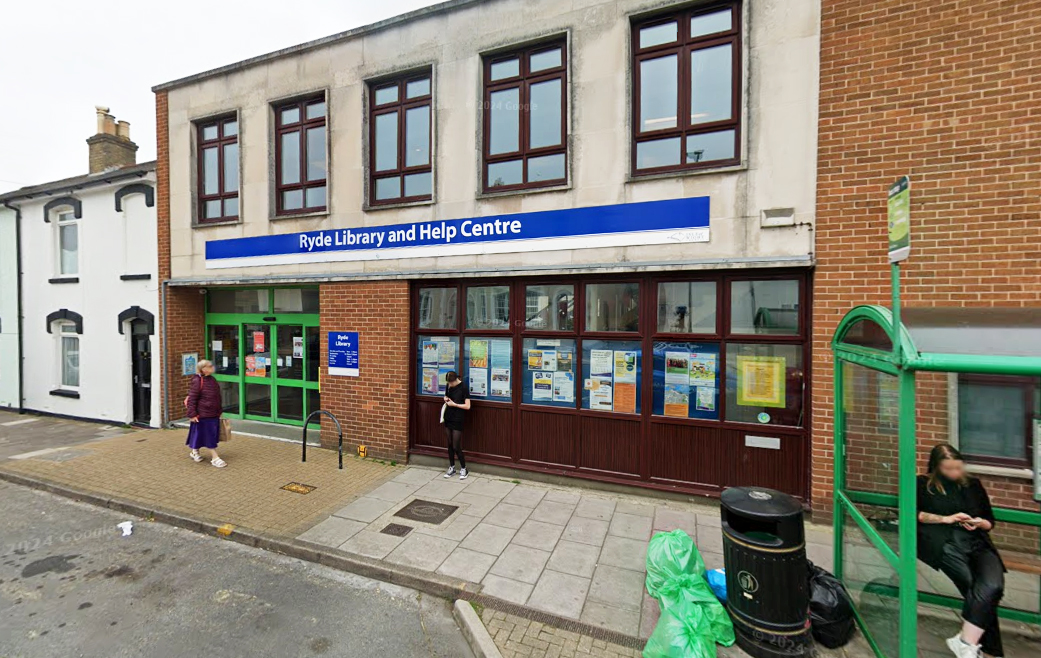
Many essential services now operate with a digital‑first mindset. Library requests, transport updates, and health appointments increasingly rely on online portals or apps, creating a smoother path for residents who prefer quick interactions.
Reliable connectivity underpins this shift. Coverage improvements have been significant, with WightFibre’s full‑fibre network reaching 88% of premises by September 2024, according to ISPreview UK. That level of access makes digital tools genuinely usable in daily routines rather than occasional add‑ons.
As more households come online with faster speeds, public expectations rise. People want services that respond instantly, whether they are paying bills, checking council updates, or managing school communications.
Shifts In Community Habits
A growing share of routine tasks now happens on screens. This does not replace face‑to‑face interaction entirely, but it certainly changes how often people rely on it. Ordering essentials, tracking deliveries, or organising community meet‑ups can take minutes, allowing more time for work, travel, or family.
Digital adoption also shapes how cultural events reach audiences. Listings, ticketing, and real‑time updates make it easier for organisers to spread the word quickly. Faster connection speeds give local venues a clearer route to their audiences, especially when promoting events during busy periods.

The broad economic effects of digital infrastructure are equally notable. Expanded full‑fibre coverage could produce £328 million in new business activity and create 1,800 jobs by 2030, according to projections published by Fibre Provider. Those numbers underline how digital connectivity goes beyond convenience, influencing long‑term community growth.
Businesses Adapt To Online Demand
Local companies now depend on digital channels to reach customers who expect up‑to‑date information before making purchases. Clear menus, fast checkout options, and responsive customer service have become the norm rather than the exception.
Many businesses have invested in better connectivity to keep up with rising demand. Recognition for local providers reflects this shift, with Go Internet named Operator of the Year at the 2025 UKWISPA Awards, as reported by Island Echo. These improvements give companies the confidence to expand online services without worrying about lag or outages.
Better digital tools also help smaller shops compete with national brands. Click‑and‑collect options, updated stock listings, and targeted social posts allow them to serve loyal customers while reaching new ones.
What These Changes Mean Ahead
The Island’s digital landscape now feels far more integrated into daily life than it did a few years ago. Residents use online tools to streamline errands, businesses build smarter service models, and community groups spread information more efficiently.
As connectivity continues to expand, the focus will likely shift from access to quality—how smooth, secure, and intuitive digital experiences can become. That evolution will shape how people balance online convenience with the Island’s strong culture of in‑person engagement.
Digital services may never replace the character of local interactions, but they are increasingly woven into the fabric of life here. The question for the coming years is not whether the Isle of Wight embraces digital tools, but how thoughtfully they continue to shape the rhythm of everyday living.