






































Controversial plans for 60 homes and a discount supermarket in Freshwater have gone to appeal after being rejected by the Isle of Wight Council amid concerns over wildlife, drainage and flooding.
The proposed development at Heathfield Campsite, next to Colwell Road, was refused planning permission in March, despite the site being allocated for housing in the Isle of Wight’s new local plan.
Now, Andrew White Planning Consultancy, acting on behalf of Stephen Hucklesby and Howper 900 Ltd, is challenging the decision, arguing that the scheme would deliver ‘substantial benefits’ for the local community.


The outline proposals include 60 residential units, affordable housing, a discount supermarket and associated access and infrastructure.
In its appeal statement, the planning consultancy argues that the development would make a significant contribution towards addressing the Isle of Wight’s acute housing need, while also providing much-needed neighbourhood retail facilities.
It also highlights potential economic benefits, including construction jobs, additional council tax revenue and business rates.
Financial contributions towards the Solent Recreation Mitigation Strategy and a local GP surgery would also be secured through a Section 106 legal agreement.
However, the Isle of Wight Council’s original decision report warned that the development could cause ‘potential substantial harm’ to protected species and environmentally important sites.

The authority also concluded that the proposals failed to provide a suitable surface water drainage strategy.
The appellant is now seeking to overcome those concerns, with Andrew White Planning Consultancy stating that updated technical evidence submitted as part of the appeal demonstrates that the development could proceed without harming protected species.
It also maintains that a viable drainage strategy can be delivered.
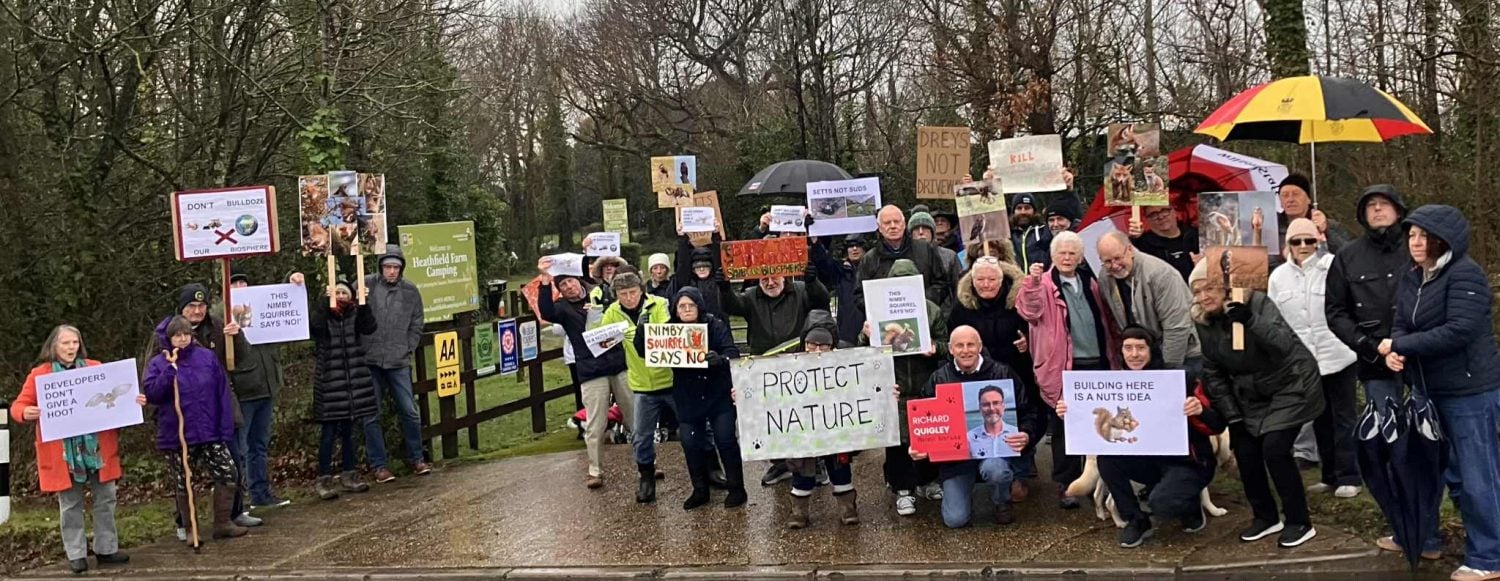
The development has previously attracted significant opposition, with 154 objections submitted to County Hall during consultation periods.
Residents raised concerns about the potential for flooding, inadequate drainage, increased traffic and congestion, as well as the impact of the development on the character of the surrounding area.
Questions were also raised about the timing of bat surveys, pedestrian safety and whether existing local services and infrastructure could cope with additional housing.
The appeal will determine whether the development can proceed despite the Council’s earlier refusal.