






















This year brought the biggest change to Lotto since the game began in 1994, and Powerball went on sale in the UK for the first time in July. Add the Island’s own weekly draw and the online casino games that publish their own return figures, and Islanders have more ways than ever to spend a pound on a game of chance. The question worth asking of every one of them is how much comes back.
The Island’s own answer sits close to home. The Isle of Wight Lottery, run by the Isle of Wight Chamber of Commerce, costs £1 a week and pays 542 prizes a year, with a single £1,000 prize and ten £100 prizes in 49 weeks, two weeks paying £5,000 and one week paying £10,000.
That adds up to about £118,000 a year in prizes, and with 490 of the 542 prizes worth £100, the money is spread across a lot of Island homes. Part of every ticket also funds interest-free loans, which the Chamber says have gone to more than 100 Island businesses and created or sustained thousands of jobs. A local ticket pays out twice, once to the winners and once to the high street.

Casinos Publish Their Own Return Figures
Online casinos answer the same question with a single number, the payout percentage, which measures total player winnings against the money wagered over time. A 96% figure means the house keeps about £4 of every £100 staked on average, while slots range from about 87% to over 99% and blackjack played with correct strategy sits around 99.5%. That makes a casino’s return far easier to put a number on than a lottery’s, where the share paid back depends on how each ticket is split.
The figures carry weight because independent labs such as eCOGRA, GLI and iTechLabs test the games behind them, and eCOGRA awards its Safe and Fair Seal to sites that pass. Return is only part of the picture, though, since daily and weekly withdrawal limits decide how quickly a large win reaches a player’s account. Put the tested payout figures and those limits side by side, and which online casino has the highest payout rate becomes a question with a checkable answer rather than a marketing claim.
National Draws Send Money Back to Good Causes
The National Lottery returns money differently, splitting each ticket between prizes and good causes. From 7 June 2026 every £2 Lotto ticket gets two chances in the main draw, the biggest change to the Lotto draw since 1994, and Lotto millionaires are expected to rise from about 140 to about 345 a year. For Island players the price stays the same while the number of chances on each ticket doubles.

Powerball arrived at £4 a line, with more than 30% of the ticket price going to good causes. Across the whole National Lottery, sales reached £8.1bn in 2025 and more than £1.7bn went to good causes, about £33m a week. Sums of that size mean some of the money finds its way back across the Solent.
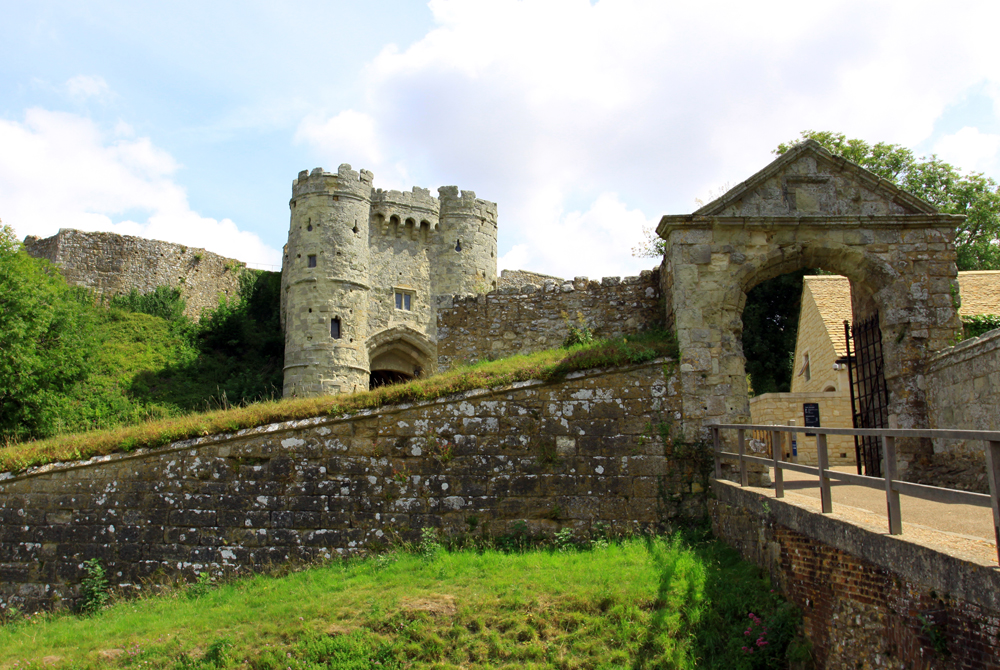
Bembridge Fort is a recent example, after The National Lottery Heritage Fund awarded the Bembridge Fort Trust a £250,000 heritage grant to help secure the future of one of the Island’s best-known landmarks. A ticket bought in Ryde or Ventnor can end up paying for work a few miles down the road, which is a return of a kind that never shows up on a prize table.
What Comes Back From an Island Pound
Set side by side, the three pay back in different ways. The Island lottery spreads modest prizes widely and lends to local firms, the National Lottery pays bigger jackpots and funds good causes including projects here, and online casinos publish a tested payout percentage for their games. None replaces the others, and each answers the question of what comes back on its own terms.
With Powerball in its first autumn in the UK and Lotto’s two-chance draws now part of the weekly routine, Islanders have a wider choice for their pound than they have had for years. Some of that choice stays local, some goes national and some sits with a casino game that prints its return figure for all to see. Knowing which is which is the clearest way to judge what an Island pound really buys.