













































The Isle of Wight’s main cross-Island railway between Ryde and Cowes closed for good on 21st February 1966, ending almost a century of service.
The Ryde to Cowes line had been the Island’s backbone since the 19th century – a vital link connecting two of its busiest towns. From shipyard workers and schoolchildren to tourists heading for the seaside, the railway carried generations of Islanders across the countryside. Its closure marked the beginning of the end for the Island’s once extensive rail network.
The story of the line began in 1862 with the opening of the Cowes and Newport Railway. 13 years later, the Isle of Wight (Ryde & Newport Junction) Railway completed the connection eastwards, joining the existing route at Newport and creating a continuous link between the ports of Cowes and Ryde in 1875. For decades, this main line carried passengers, freight and mail across the heart of the Isle of Wight.


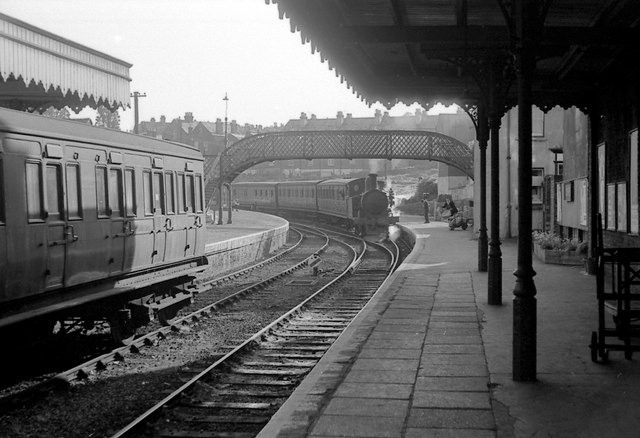
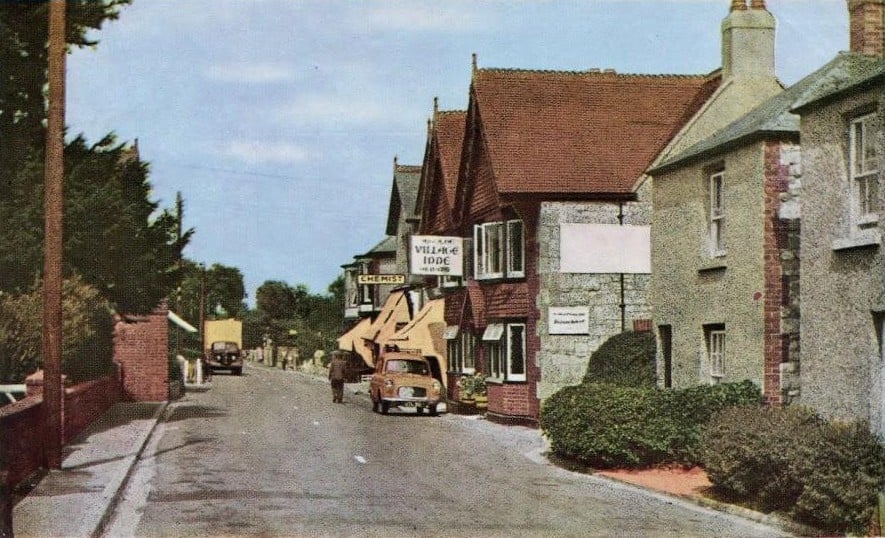
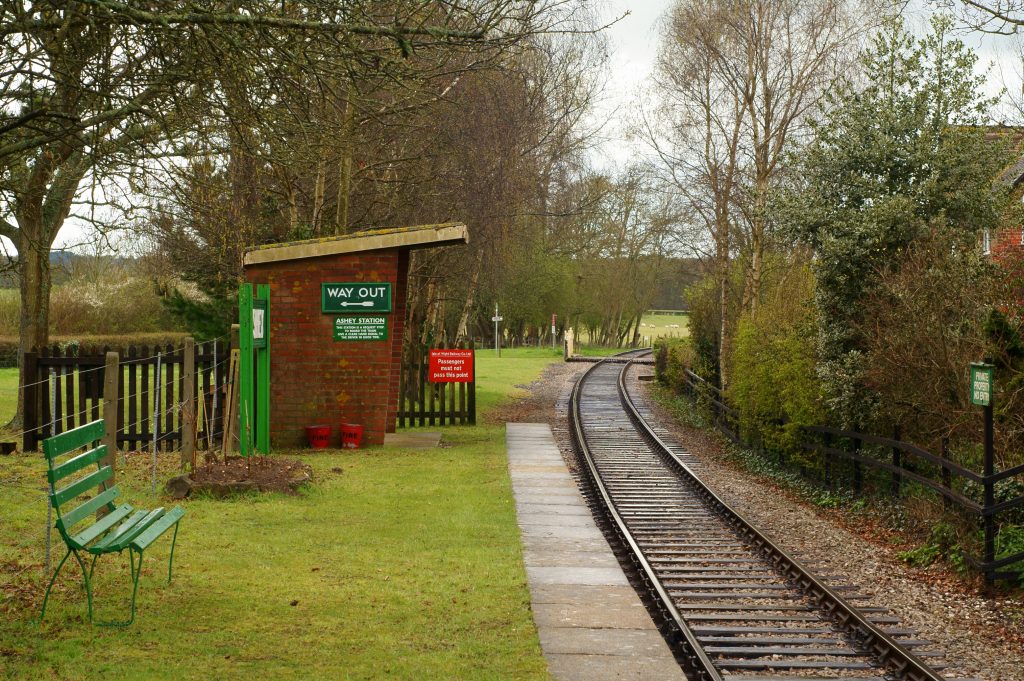
The journey ran from Ryde St John’s Road through Ashey, Havenstreet, Wootton, Whippingham, Newport and Mill Hill before reaching the busy Cowes terminus. Each station had its own character and purpose. Ashey served the surrounding farmland, while Havenstreet developed as a small community around its station. Wootton was a pleasant rural halt with a passing loop and goods siding. Whippingham, however, was unlike any other – it was built to serve Queen Victoria’s Osborne House.
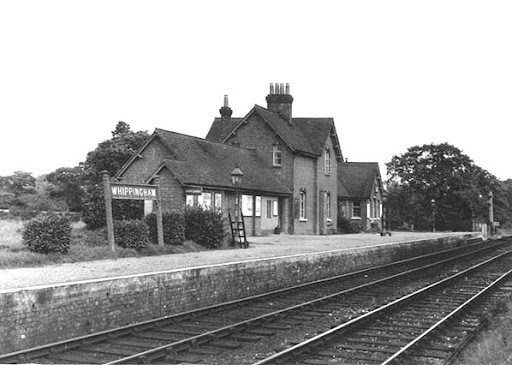
Whippingham station became the private stop for the Royal Family. The platform was lengthened and fitted with a special waiting room for royal use. The Queen and later King Edward VII used the station when travelling to and from Osborne, making it one of the smallest but most prestigious stops on the British railway network. Ordinary passengers could use it only when the Royals were not expected.
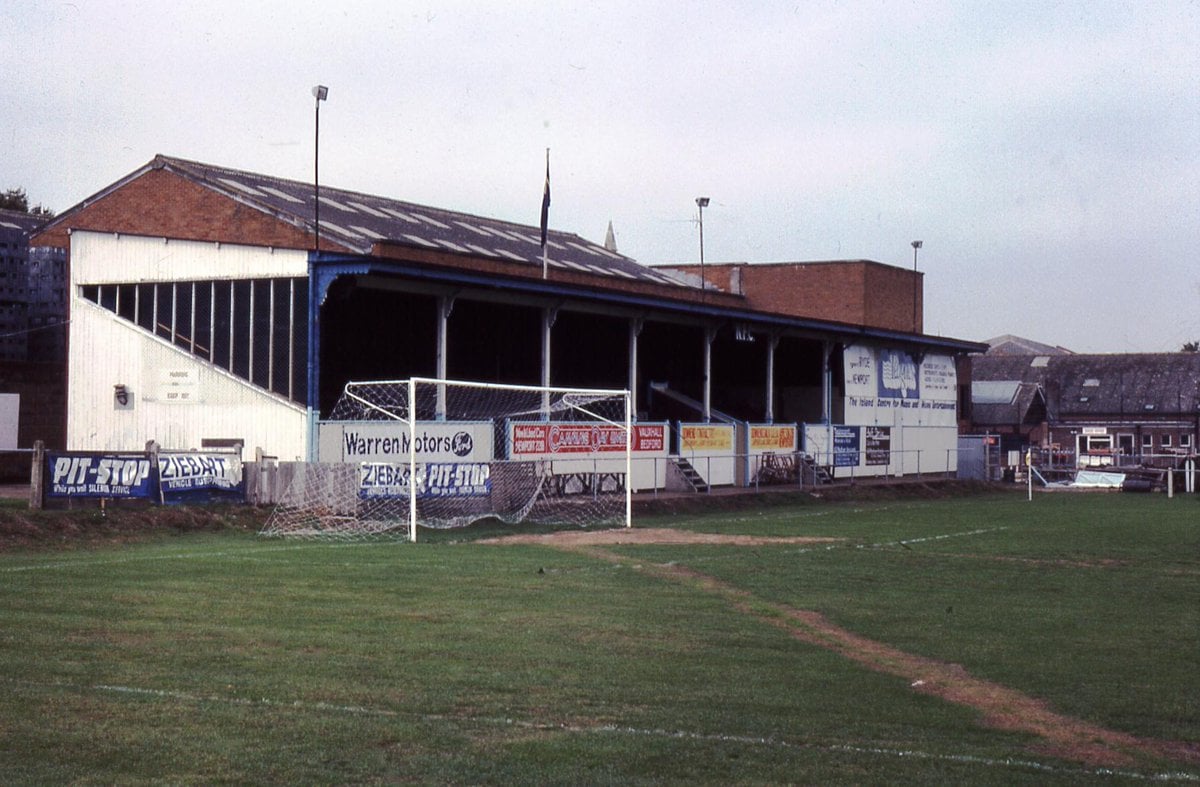
At Newport, the line met trains from Sandown and Ventnor, creating a true Island junction. From here, trains ran westward through the industrial edge of the town and across the River Medina to Mill Hill, where many shipyard workers began their day. Finally, the route reached Cowes station – a grand red-brick terminus beside the river, complete with a large overall roof and sidings for goods wagons bound for the docks.
For decades, the Ryde to Cowes line was busy and profitable. Excursion trains brought thousands of holidaymakers from the mainland, while regular commuter services linked workers and students with schools, shipyards and government offices. During both World Wars, the line played an important role in moving troops and materials to Cowes and East Cowes, home to major shipbuilding and aircraft works.
By the 1950s, the picture had begun to change. Cars and buses offered faster and more flexible travel, and the line’s maintenance costs were climbing. Bridges, sleepers and drainage needed major repairs, but passenger numbers were falling. Despite its heritage value, the line was included in Dr Beeching’s national restructuring plan, which aimed to close rural and underused routes across Britain.

British Railways announced the line’s closure in late 1965, prompting protests from residents and local councils who feared the loss of a vital transport link. But the decision stood, and the final day of service was set for 21st February 1966.
That Monday saw large crowds gather along the route. At Newport, hundreds of Islanders turned out to witness the last trains. At Cowes, families waved flags and photographers jostled for position to capture the departing locomotive. On board, railway enthusiasts and locals shared stories, sang songs and took souvenirs – everything from tickets to lamp shades – to remember the day. Guards and drivers were given farewell gifts, and several stations were decorated with bunting and wreaths.
The final train, hauled by a steam tank engine, departed Cowes in the early evening. As it crossed the Medina and steamed through the countryside towards Ryde, crowds lined the embankments and level crossings to wave goodbye. By the time it reached Ryde St John’s Road, night had fallen – and with it, an era of Island rail travel had come to an end.
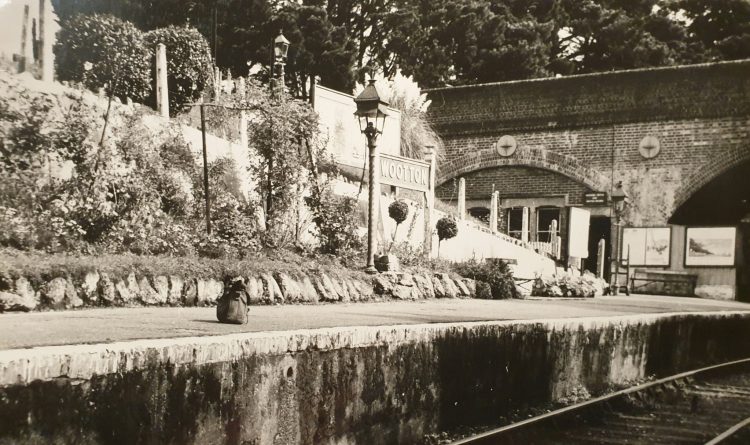
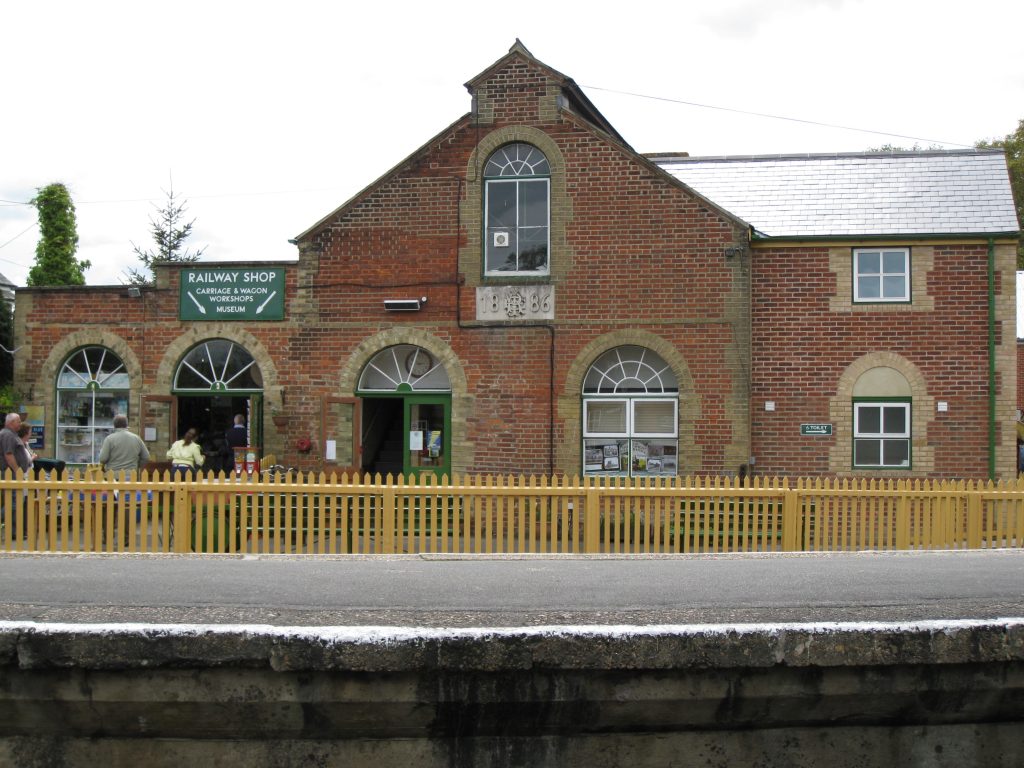
Cowes station was demolished; Newport’s once-grand platforms were torn up; bridges along the route were dismantled. Yet not all was lost. In the early 1970s, volunteers of the Isle of Wight Steam Railway began restoring the surviving section between Wootton, Havenstreet and Smallbrook Junction. Their work has preserved part of the original route, allowing new generations to experience the magic of steam.
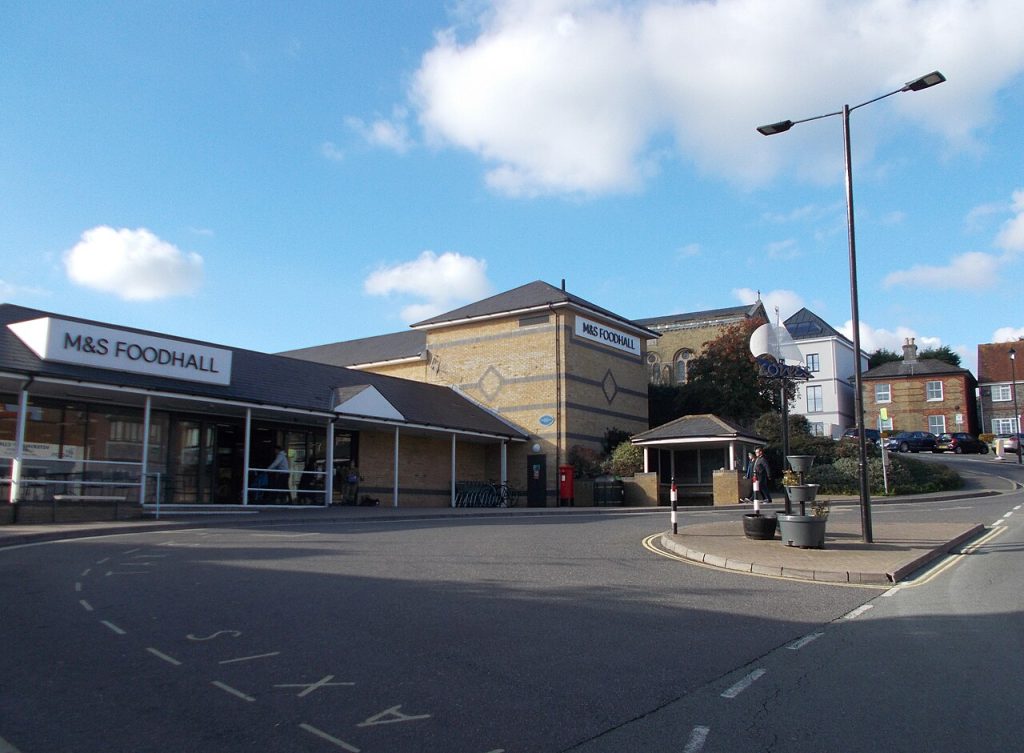
Today, much of the old trackbed from Cowes to Newport forms part of the Red Squirrel Trail – a popular cycle and walking route that follows the gentle curves of the former railway. At Wootton and Havenstreet, steam trains still run thanks to the heritage line, which keeps alive the sound and spirit of the old Ryde to Cowes main line.
The closure of the Ryde to Cowes railway on 21st February 1966 was more than the loss of a transport link. It was the end of an age when trains were the heartbeat of the Isle of Wight – when every whistle and puff of steam tied together the Island’s towns, villages and people.









Such a shame but back then the new transport..cars and buses was always going to kill it off.
With the green / climate agenda
Trains and buses will be the future, they don’t want
motors on the road.
Great story, it would be wonderful if the Island
railways were brought back.
Isle of Man have a great rail network,
it is great for tourism.
Beachings name should not be allowed to be mentioned when talking about railways, he ruined this countries rail system.
He didn’t. He was given a job to do, he did that job very successfully.
What if he was told to put his head in an oven
would he have done so!
The reason why the country is in the state it is in
is because people are afraid to say NO.
It everyone said no then the railways would not have
closed, because no one wiiod have closed them.
He certainly did, cannot beat travelling by train
especially steam trains.
It would be wonderful if Havenstreet extended their
lines.