
























































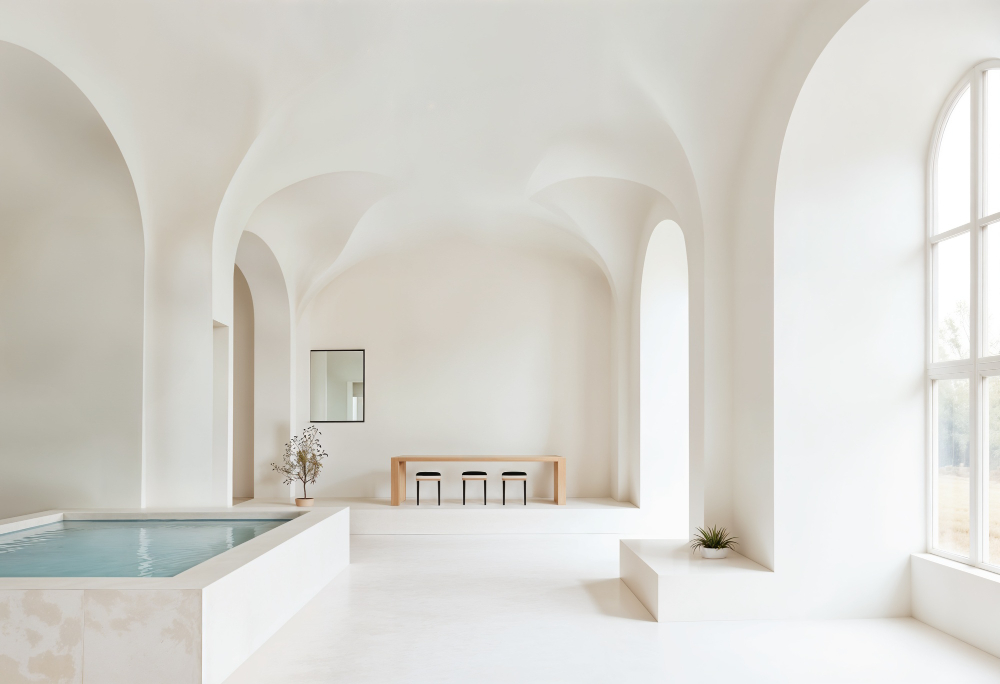

The idea of luxury once revolved around abundance. More rooms, more objects, more visible signs of wealth defined status for generations. That association has quietly shifted. Across design, fashion, technology, and everyday living, the presence of less has come to signal something more refined. Clean spaces, unhurried routines, and products stripped of excess now carry the weight that ornate detail once held. This transformation reflects deeper changes in how people relate to time, attention, and personal space, especially within busy urban environments where clutter feels less like comfort and more like burden.
The Cultural Shift Away from Excess
For much of the twentieth century, material accumulation served as proof of success. Homes filled with furnishings, wardrobes overflowing with garments, and gadgets crowding every surface conveyed prosperity. Yet the constant acquisition brought its own strain. Maintenance, storage, and the mental effort of managing possessions began to outweigh the satisfaction they provided. As choices multiplied, so did fatigue, and many began questioning whether ownership truly enhanced their lives.
This growing weariness opened space for a different value system. Rather than displaying quantity, people started prizing intention. A carefully chosen object holds more meaning than a dozen impulsive purchases. The reasoning is not purely aesthetic; it touches on wellbeing. Reduced visual noise tends to lower stress, while deliberate consumption fosters a sense of control. Simplicity, in this light, is less a trend and more a response to the pressures of modern abundance. The table below summarises how the perception of luxury has shifted across key dimensions.


| Dimension | Old Notion of Luxury | New Notion of Luxury |
| Volume | More objects and visible abundance | Fewer, carefully chosen items |
| Design | Ornate detail and decoration | Restraint and clean lines |
| Value driver | Quantity and display | Intention and quality |
| Emotional effect | Status and impression | Calm and control |
| Primary currency | Money spent | Time and attention saved |
Design That Speaks Through Restraint
Contemporary design has embraced restraint as its guiding principle. Architects favour open layouts, muted palettes, and materials that reveal their natural character. Products are engineered to hide complexity behind smooth surfaces, allowing function to feel effortless. The luxury lies in what has been removed rather than what has been added, and this quiet confidence resonates with audiences tired of ostentation.
Why Minimalism Signals Quality
Reducing an object to its essentials demands precision. Every element that remains must justify its presence, which requires superior craftsmanship and thoughtful engineering. A single seam, a perfectly balanced weight, or a seamless join communicates expertise more convincingly than decoration ever could. Consumers increasingly recognise this, associating clean design with durability and expert manufacture rather than cost-cutting.
The Role of Space and Silence
Empty space has acquired genuine value. In dense cities, room to breathe is a rare commodity, and interiors that leave surfaces uncluttered feel expansive and calming. Silence operates similarly. Quiet mechanisms, gentle transitions, and the absence of unnecessary alerts create an atmosphere of ease. These intangible qualities are difficult to mass-produce, which is precisely why they read as luxurious.
Simplicity in Leisure and Digital Experiences
The preference for pared-back experiences extends into entertainment and online activity. Interfaces that once competed through flashing features now win favour through clarity. Streamlined navigation, uncluttered screens, and predictable interactions respect the user’s attention and time. Within the world of online gaming, this shift is visible in how operators present their offerings. The measured layouts at Fortunica improve the sense of comfort during casual play by keeping the interface uncluttered. The emphasis rests on ease of understanding rather than overwhelming visual stimulation, allowing participants to engage without confusion.
This approach mirrors broader consumer expectations. People gravitate toward services that reduce friction, whether ordering food, managing finances, or unwinding after work. Complexity is increasingly treated as a flaw rather than a feature. The most valued experiences guide users gently, remove unnecessary steps, and leave a lasting impression of calm rather than exhaustion.

The Economics of Doing Less
There is a commercial logic behind the elevation of simplicity. Producing a genuinely simple product often costs more than adding features, because refinement requires iteration and rejection of easy solutions. Brands that master this restraint can command premium prices, positioning their offerings as considered rather than cheap. The market rewards clarity because it aligns with what many buyers now seek. Several factors explain why restraint carries a higher price tag:
- Iteration takes time. Removing elements without losing function demands repeated testing and revision.
- Fewer components must work harder. Each remaining part has to meet a higher standard of quality and durability.
- Hidden complexity costs more. Concealing intricate engineering behind a smooth surface requires greater precision.
- Refinement resists shortcuts. Easy solutions are rejected in favour of decisions that serve the user over the long term.
Where the Value Truly Lies
The movement toward simplicity reflects a maturing relationship with consumption. What once appeared plain now conveys sophistication, and what once seemed abundant increasingly feels overwhelming. Across homes, technology, and leisure, restraint communicates confidence, quality, and respect for attention. Luxury has quietly redefined itself around space, clarity, and intention, revealing that the greatest indulgence may simply be the freedom from excess.