





















































The Isle of Wight has an economy shaped by its geography, tourism and distinctive local character. Looking ahead, its prospects may increasingly depend on how successfully the island combines these traditional strengths with new industries, investment and changing ways of working.
An Economy With Unique Strengths and Challenges
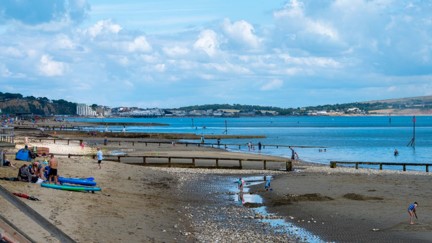
Being an island gives the Isle of Wight an identity that few other parts of southern England can replicate. Its coastline, countryside, festivals and seaside towns attract visitors throughout the year, while its location provides opportunities in sectors ranging from marine engineering to renewable energy.
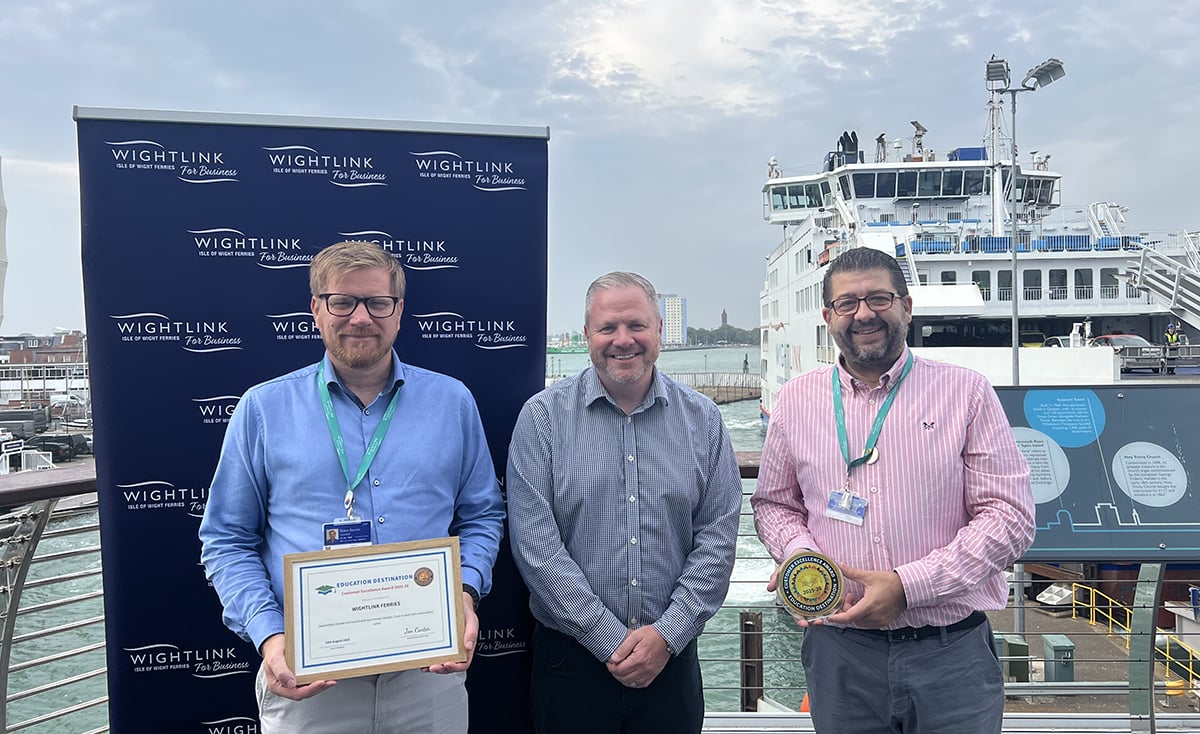
At the same time, geography creates economic challenges. Businesses depend heavily on ferry connections for transporting employees, customers and goods. Higher transport costs can affect competitiveness, while young people may leave the island to pursue education or employment opportunities elsewhere.


The future of the local economy will therefore depend partly on creating more reasons for people to build careers and businesses on the island. Financial knowledge may also become increasingly relevant as more residents explore different ways of managing their money.
Someone searching online for what is trading, for example, is part of a wider shift towards greater public interest in financial markets, investment and alternative sources of income. Better financial understanding can help households and entrepreneurs make informed decisions, although market activity naturally comes with risk.
Tourism Is Changing Rather Than Disappearing
Tourism will almost certainly remain central to the Isle of Wight economy, but the nature of the industry is evolving. The traditional summer holiday is now only one part of a much broader market.
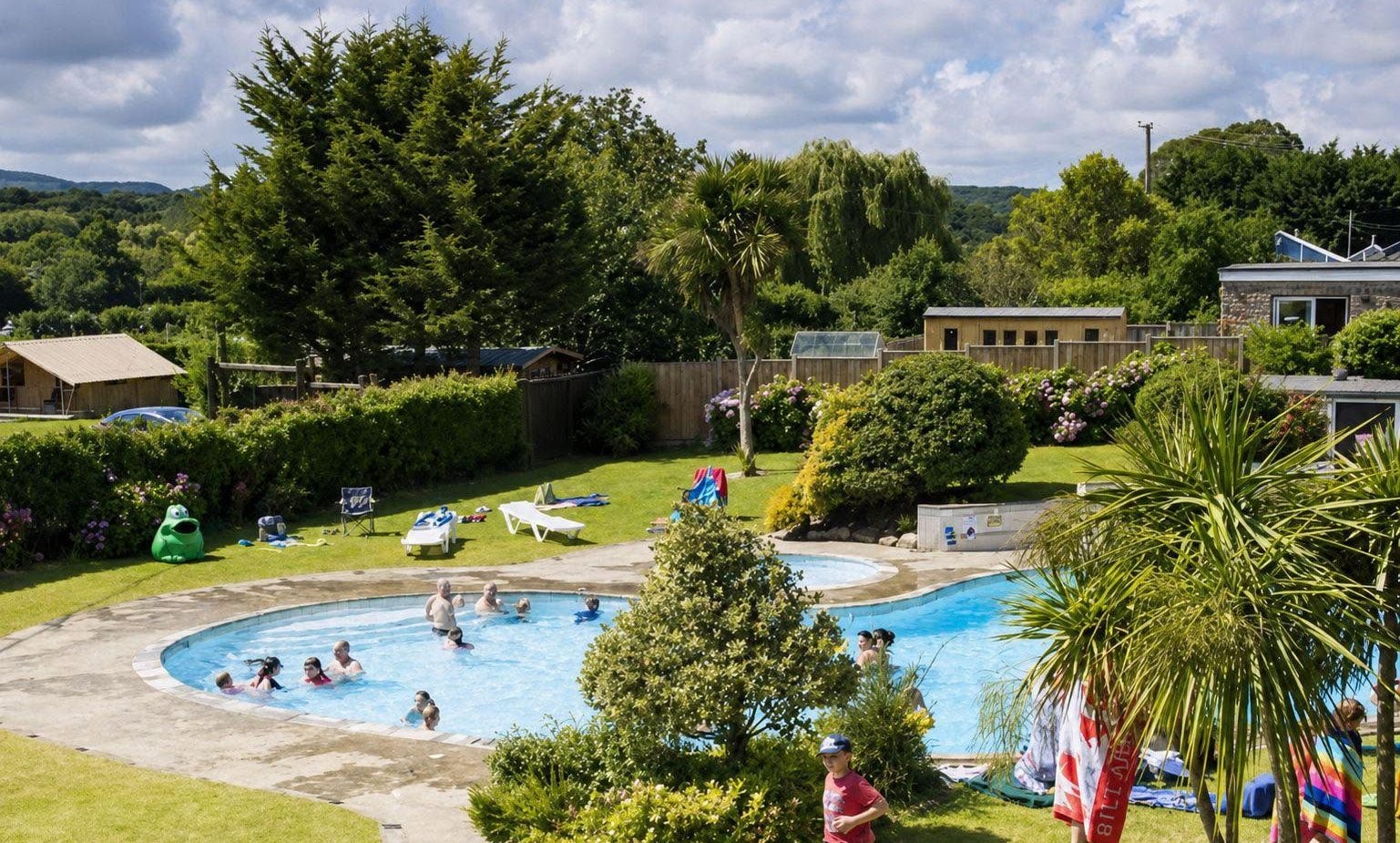
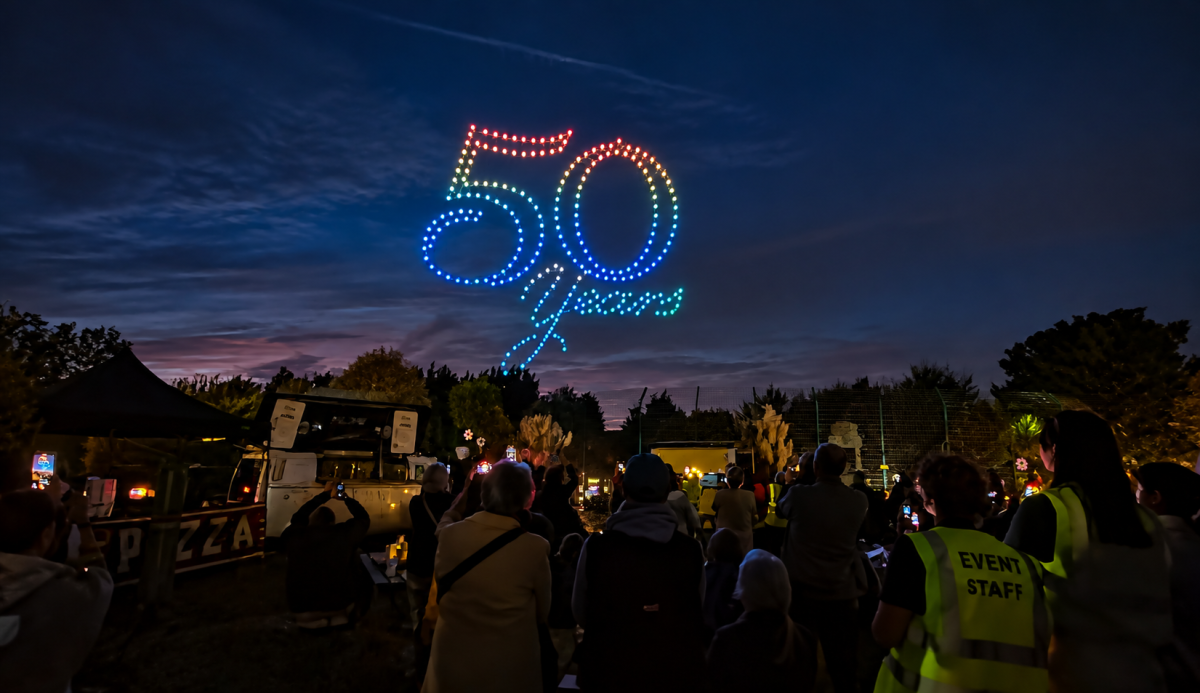
Short breaks, music festivals, cycling trips, walking holidays and food tourism can all attract different types of visitor. Events such as the Isle of Wight Festival also demonstrate how major attractions can generate spending far beyond the venue itself. Accommodation providers, restaurants, pubs, taxi companies and independent retailers can all benefit.
The opportunity is to extend demand beyond July and August. If more visitors arrive during spring, autumn and even winter, tourism businesses gain a more reliable income stream and may be able to offer more permanent employment.

Renewable Energy Could Create New Opportunities
The island’s coastal location also gives it an interesting position in Britain’s transition towards cleaner energy. Offshore wind, solar power and other low-carbon technologies require extensive supply chains, specialist workers and engineering expertise.
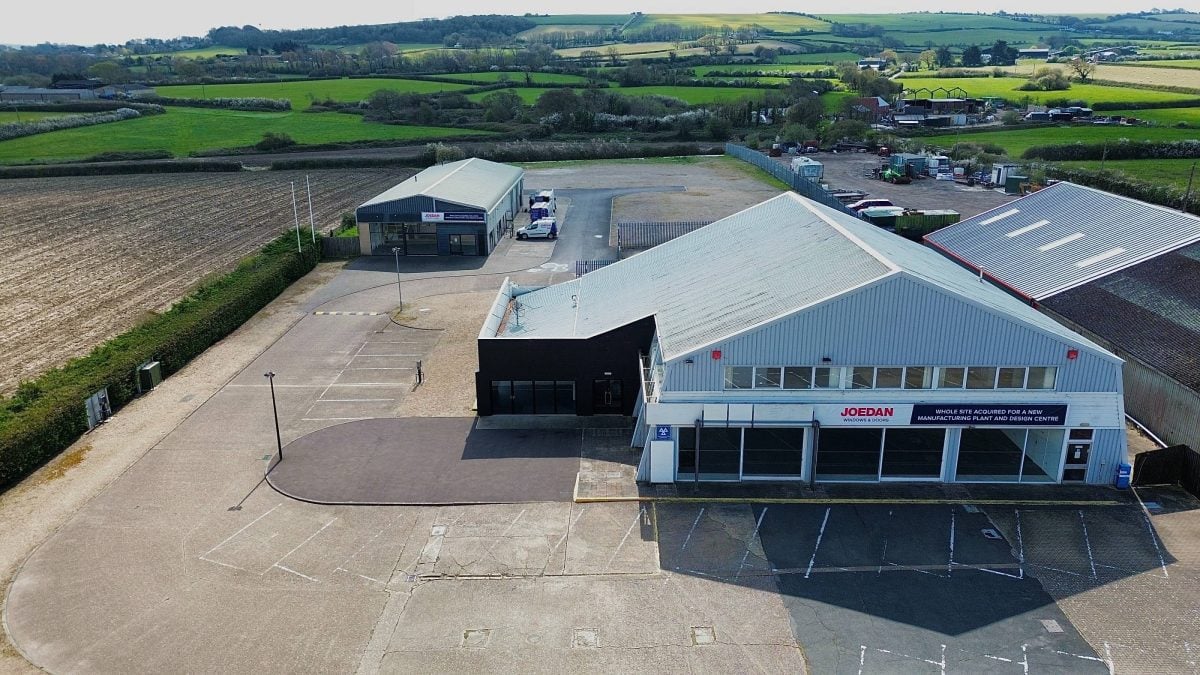
The Isle of Wight already has experience in advanced manufacturing and industries connected with the sea. Building on these capabilities could create skilled employment while reducing dependence on seasonal sectors.
There are also opportunities for smaller companies. Renewable energy projects require maintenance, construction, professional services, transport and technology support. Economic benefits therefore do not necessarily remain limited to large energy businesses.
Skills will be crucial. Partnerships between employers, schools, colleges and training organisations could help residents qualify for new technical roles rather than companies having to recruit most specialist workers from elsewhere.
Remote Working Changes the Geography of Employment
One of the biggest economic changes of recent years has been the normalisation of remote and hybrid work. For an island economy, this could have long-term significance.
Traditionally, living on the Isle of Wight meant relying largely on employers based on the island or commuting to the mainland. Digital work weakens that connection. A software developer, designer, accountant or marketing professional can potentially live on the island while working for an organisation based in London, Manchester or overseas.
That could bring higher salaries into the local economy without requiring equivalent growth in large local employers. Those earnings can then circulate through shops, restaurants, trades and other services.
Reliable broadband and suitable working spaces will consequently become increasingly important pieces of economic infrastructure.
Housing and Transport Remain Major Questions
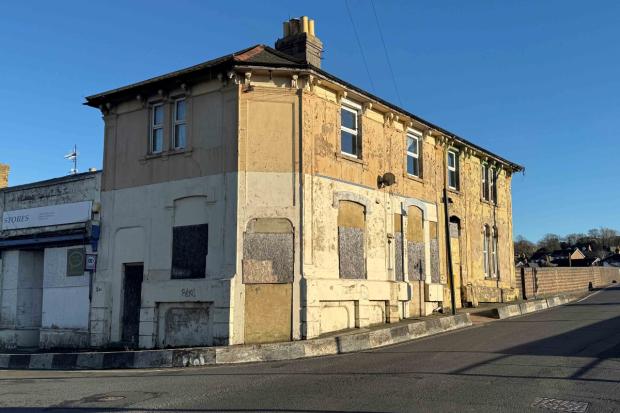
Economic growth cannot be considered separately from everyday living costs. Housing affordability is particularly important when attracting and retaining younger workers.
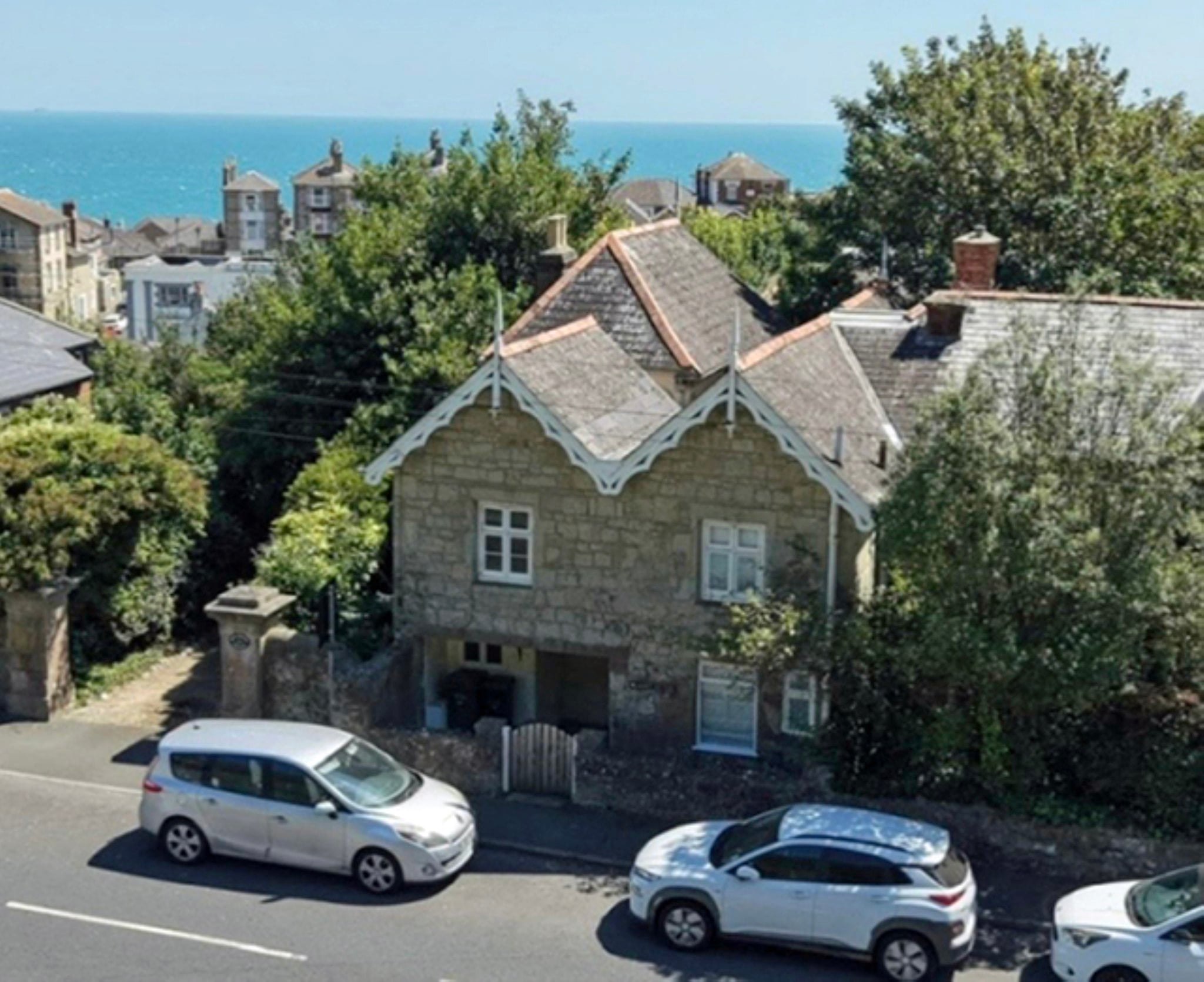
If local wages fail to keep pace with property prices and rents, employers may struggle to recruit. At the same time, development needs to be balanced carefully against the landscapes and communities that make the island attractive in the first place.
Transport presents a similar balancing act. Ferry connections are essential to residents, businesses and visitors, making reliability and affordability important economic issues rather than simply transport concerns.
Better local public transport could also help workers access employment opportunities across the island without depending entirely on private cars.
A More Diverse Island Economy
The most promising future for the Isle of Wight may not involve replacing tourism with something entirely new. Instead, it could involve building a more balanced economy around several complementary strengths.
Tourism, renewable energy, advanced manufacturing, digital employment and independent businesses can all contribute. The challenge is connecting these opportunities with housing, transport, skills and infrastructure.
If that balance can be achieved, the Isle of Wight could become less dependent on seasonal activity while retaining the character that makes it economically and culturally distinctive.