




























































The modern workplace is evolving. Companies require flexible, efficient, and well-designed office spaces that adapt to changing business needs without the long timelines of traditional construction. Off-site manufacturing offers a fast, robust alternative for workspace requirements. To deliver a high-performing work environment, modern modular office buildings must integrate specific key features. Here is what to consider when planning a modern modular office.
Structural Flexibility and Open Layouts
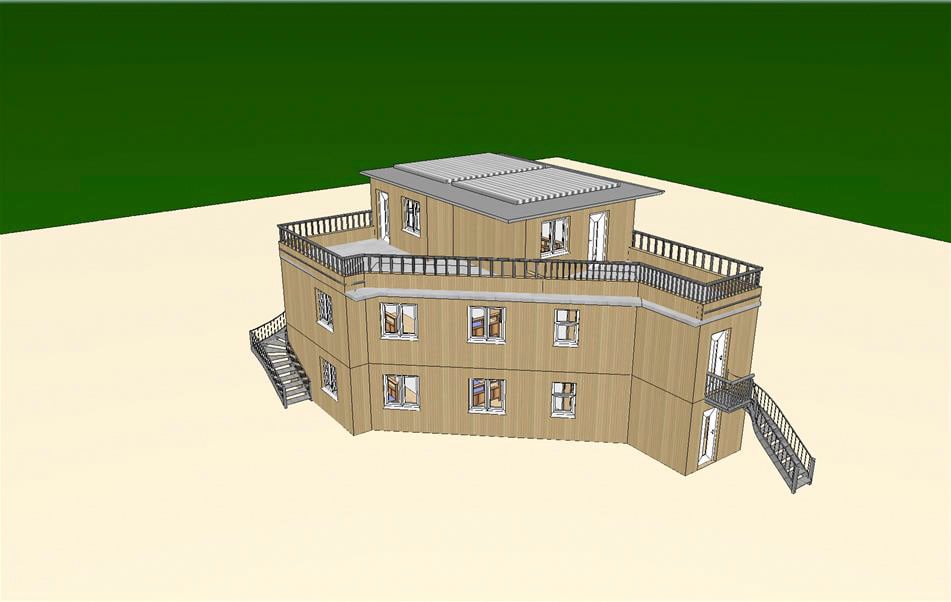
A primary requirement for any modern office is spatial adaptability. Open layouts, meeting zones, and quiet focus areas require clear floor spaces. Modern off-site engineering uses steel framing that allows for wide structural spans – often up to 12 metres without internal columns. This structural flexibility enables organisations to reconfigure internal layouts as workforce needs change.
High-Performance Energy Efficiency
Energy performance directly affects operational costs and environmental impact. A well-engineered modular office features high-specification thermal insulation, architectural glazing, and airtight building envelopes. Integrating heat pump technology and smart climate controls can reduce energy consumption while helping maintain comfortable indoor temperatures and lower long-term operating costs.


Indoor Environmental Quality
Daylight, indoor air quality and acoustic comfort are important considerations when creating a comfortable and productive working environment.
- natural daylight – large windows and glass facades maximise daylight, reducing artificial lighting needs and helping create a brighter and more comfortable working environment,
- acoustic control – specialised wall construction and insulated partitions minimise sound transmission between meeting rooms and open desks,
- smart ventilation – mechanical ventilation systems can provide controlled fresh-air supply and filtration, helping maintain good indoor air quality and comfortable working conditions.
Modern Exterior and Interior Aesthetics
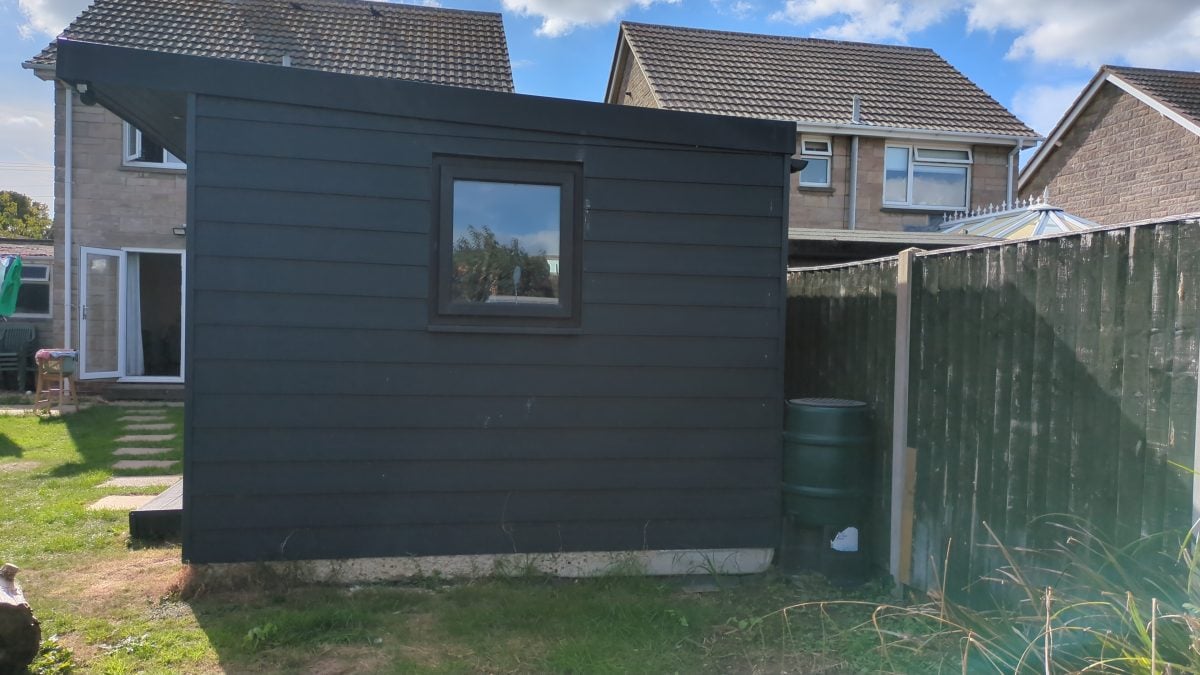
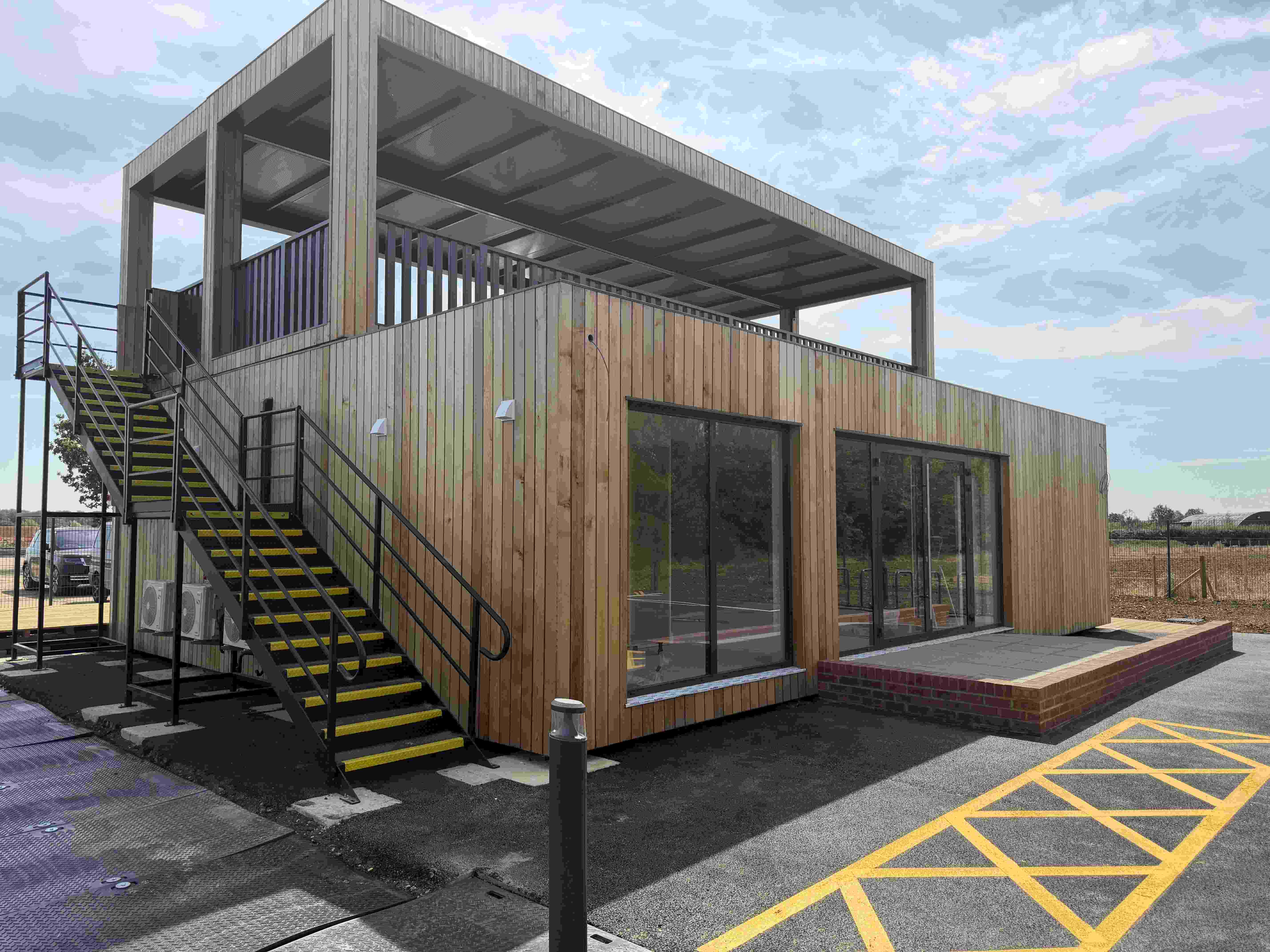
Modern off-site buildings no longer resemble basic prefabricated units. Exterior cladding options – including composite panels, timber, or metallic finishes – allow the building to complement surrounding architecture or support corporate branding. Indoors, high-quality flooring, recessed LED lighting, and concealed service runs deliver a clean, professional finish matching traditional build quality.
Integrated Digital Infrastructure
A contemporary office must support advanced digital operations. Factory production allows for pre-installed containment and floor grommets before delivery. This factory integration minimises on-site commissioning time and ensures seamless setup for hybrid technology, presentation displays, and security systems.
Long-Term Asset Durability
Designed as permanent corporate assets, modern modular office structures offer operational lifespans of 25 to 40 years. Unlike traditional builds, they also offer redeployability. If requirements change, modular structures can potentially be relocated, reconfigured, or reassembled, helping businesses retain value from their building investment.
Planning a workspace that combines structural strength, energy efficiency, and modern design requires dedicated engineering expertise. As a UK manufacturer with its own steel manufacturing capability, JCPSA designs and manufactures bespoke modular office buildings engineered for long-term performance. From initial design through to final installation, JCPSA delivers tailored commercial spaces designed for long-term use.

Ready to transform your workspace with a modern modular office tailored to your business? Discover bespoke commercial building solutions at jcpsa.co.uk.