

















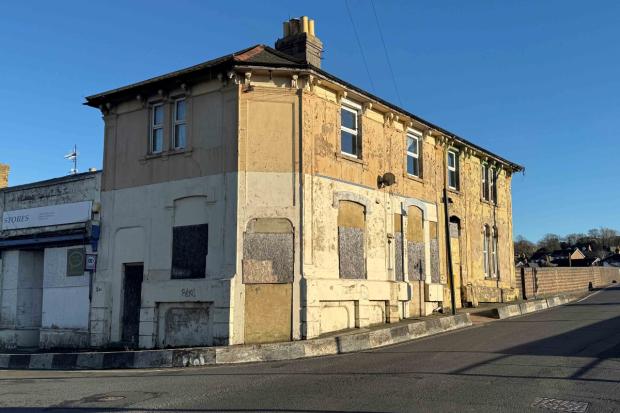
























The unit at 93 High Street in Newport used to sell coffee. It now opens at 10:00 and closes at 22:00, admits nobody under 18, and holds two floors of slot machines. Fortune Slots took the former cafe after Coopers Amusements Limited won a change of use application, and it opened into a tax year that had just redrawn the line between machines in a building and games on a phone.
What The Island Already Licenses
County Hall licenses gambling premises here, and there are more than most people would guess. The Gambling Commission’s public register of licensed premises lists 20 on the Isle of Wight.
Five are adult gaming centres: Fortune Slots in Newport, two at Sandown Pier, one at Nodes Point near Ryde and Summer Arcade on Shanklin Esplanade. Nine are betting shops, split between Betfred in Ryde, Newport, Shanklin and Sandown, and Ladbrokes in Cowes, Shanklin, Newport and twice in Ryde. Five are licensed for bingo, including Commodore Bingo in Ryde and four holiday parks. One holiday park holds a family entertainment centre licence.


Nineteen of the 20 are land based. That matters more this year than last.
What Changed On 1st April
Bingo Duty, charged at 10% on the gross profits of land based bingo halls, ended on 1st April 2026. Machine Games Duty, which is what arcade machines actually pay, did not move. Nor did the rates on betting shops, land based casinos or horseracing.
Remote Gaming Duty went the other way. The tax on games of chance played online rose from 21% to 40% on the same day. A further change lands next year: from 1st April 2027 a new 25% rate applies to remote betting within General Betting Duty, up from 15%, though remote horserace bets stay at 15%. The Commons Library sets out the full schedule in its Budget 2025 briefing on gambling taxation, along with the Office for Budget Responsibility’s estimate that the package raises £810million in 2026/27, rising to £1.16billion by 2030/31.
The Reasoning The Treasury Gave
The government did not present this as a revenue exercise alone. Announcing the end of Bingo Duty in December, Exchequer Secretary to the Treasury Dan Tomlinson framed the two decisions as one judgement: bingo clubs were treated as low harm while online gaming was described as carrying some of the highest levels of harm. The supporting figure was a 91% rise in referrals for gambling addiction between 2023/24 and 2024/25.
The Bingo Association welcomed it. The Betting and Gaming Council, which represents licensed online operators, has argued the reasoning cuts the wrong way, warning that a 40% rate drives players towards unlicensed sites that pay no duty and run no checks at all.
Why A Machine’s Location Decides Its Tax
Put them side by side and the gap is easy to state. A Category B3 machine, the type installed at Fortune Slots alongside lower category C and D units, takes a maximum of £2 a play for a maximum prize of £500. On HMRC’s published rates, takings from a machine costing between 21p and £5 a play fall in the standard band at 20%. The same game offered online now sits under Remote Gaming Duty at 40%. Double the headline rate, for the same spin.
The player-facing rules diverge too, and not as the stake sizes suggest. Online, the same game answers to a different rulebook. Under the rules licensed operators work to, a slot is capped at £5 a spin for players aged 25 and over and £2 a spin for anyone between 18 and 24, and there is no upper limit on the prize at all. Identity verification and deposit monitoring then run on the account throughout, which has no equivalent on an arcade floor. An arcade checks your age at the door once. An online operator has to keep checking after you are through it.
A High Street Where Units Keep Changing Hands
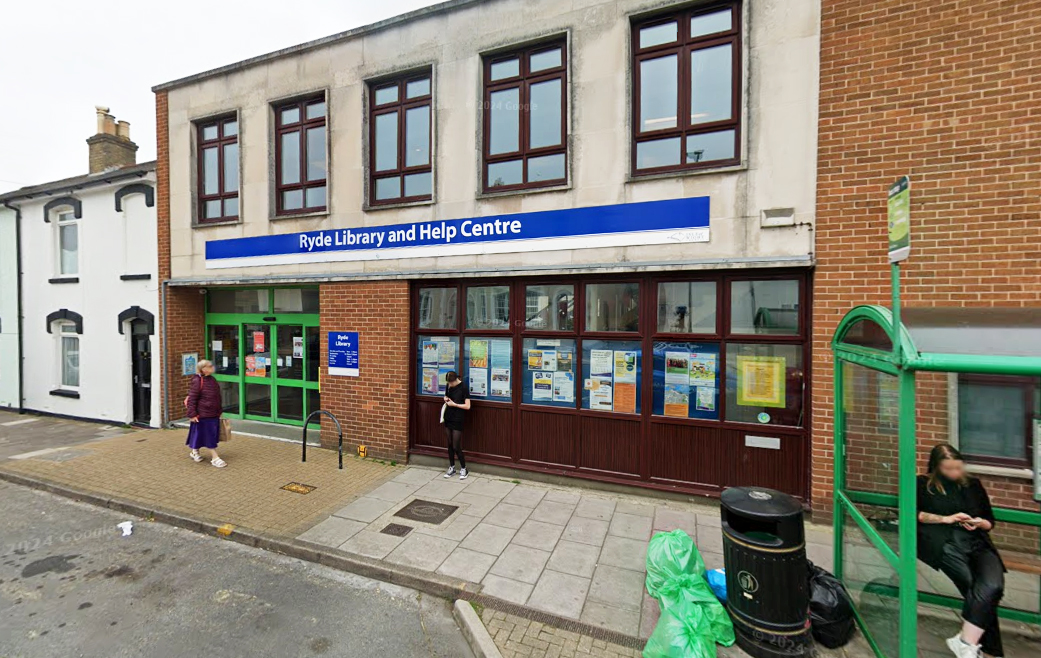
Units come free here regularly. Burrs in Ryde is closing after almost 50 years, with its last day of trading on 26th September. Something takes each space, and licensing decides what can.
The Newport application was not waved through quietly. Councillor Vix Lowthion tabled a motion against the proposals before the centre opened, and objections were lodged. The licence was granted regardless, which is the ordinary outcome under the Gambling Act 2005: authorities have a statutory duty to aim to permit gambling so far as it is consistent with the licensing objectives.
What April changed is the arithmetic facing whoever takes the next empty unit. A business built on machines in a shop now carries half the headline duty rate of its online competitor. That is not a prediction about what fills Newport High Street next, only the incentive that now exists, and it points towards the pavement.
Why The Split Matters More Than The Rate
Most of the coverage in April went to the 40% figure and operator margins. The change that lasts longer is the principle underneath it: gambling now gets taxed according to where and how it happens, not just how much is staked. Bingo halls and arcades have been placed, formally, in a lower risk category than a phone.
That judgement will be tested on high streets rather than in the Treasury, and the Island has 19 licensed venues to test it. Anyone who wants to talk to someone about their own gambling can reach the National Gambling Helpline free on 0808 8020 133.