




































































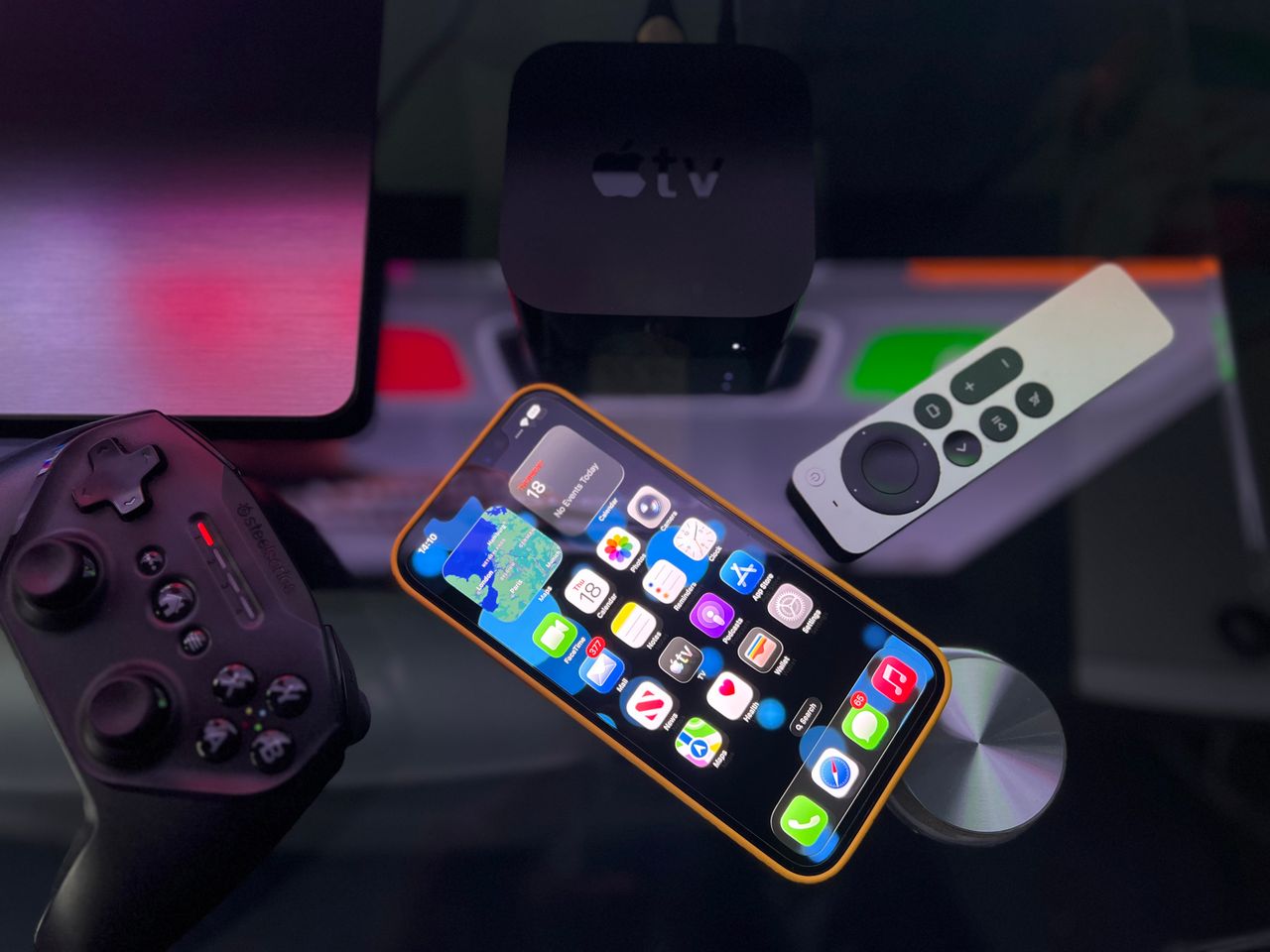

Online entertainment now fills parts of the day once empty. A train ride can become a gaming session or a podcast. Evenings can move from streaming into creator videos or live events. The same devices make those changes easy, so competition has become much tighter.
Ofcom tracked that change across television and online video during 2025. Commercial television and online video revenue passed £18 billion that year. Online services drove much of the growth as broadcaster income came under pressure. More money now follows audiences who expect greater choice throughout the day.
A typical evening can now include several forms of entertainment at once. Someone might watch highlights, join a livestream, play games, or visit a $5 deposit casino. None of those options needs a journey, ticket queue, or fixed start. That ease has put more online services in direct competition for free time.


The money behind those services also comes from different places. Subscriptions support some platforms, and advertising funds others. Games may use several payment models across the same title. Creators can also earn through sponsors, memberships, or platform ads.
Streaming Is Becoming Part of Everyday Television
YouTube now takes a much bigger share of viewing inside British homes. Ofcom says TV viewing doubled between 2022 and 2025. Average daily viewing rose from nine minutes to 19 minutes per person. Across all home devices, YouTube reached 41 minutes per person each day.
Smart TVs have helped drive that growth by putting everything together. YouTube now sits beside Netflix, iPlayer, ITVX, and other major services. Viewers can move between them without changing screens or devices. That puts broadcasters and online platforms in much closer competition.
Streaming subscriptions are no longer growing as quickly as they once did. Ofcom reports that the number of subscribing households has remained broadly unchanged, even as broadcaster streaming services continue to expand their audiences. Today, the biggest challenge is no longer attracting new subscribers but convincing people to spend more time watching.
Younger Viewers Are Changing the Mix
Age still shapes how quickly those viewing habits are changing. Ofcom found fewer than half of 16-24-year-olds watched broadcast television weekly. Broadcaster content still held most home viewing across the wider population. Younger viewers already spend more time choosing from online video alternatives.

Online Gaming Is Taking a Bigger Share of UK Spending
UK gaming reached another record in 2025, with digital spending leading the rise. Ukie valued consumer spending at £8.76 billion for the year. That was up 7.4% from 2024, with digital software reaching £6.03 billion. The market is still growing, but more of that money now moves online.
Mobile games made up £2.07 billion after growing 7.9% during 2025. Digital console spending also rose 9.2% to reach £2.49 billion. Those gains matter because they come from very different types of play.
That mix gives gaming more chances to fit into everyday routines. A short session can fill part of a commute or lunch break. The same person may spend much longer playing at home later. Growth now comes from adding more opportunities to play, not replacing one format.
Four parts of the market are helping that growth continue:
- Mobile games make gaming easier to fit into shorter daily breaks.
- Digital stores remove the wait for physical copies of new releases.
- Subscription services give players access to large libraries for one fee.
- Films and merchandise extend successful game brands beyond the games themselves.
Ukie also reported strong growth outside software and hardware during 2025. Game-related film and television income increased sharply during the year. Toys and merchandise linked to gaming brands also recorded strong gains. Successful games now have more ways to earn beyond direct sales.
Esports Is Drawing Bigger Crowds
Esports now brings large gaming audiences together around major tournaments and matches. Many fans follow favourite teams through livestreams instead of playing themselves. Big events can pull viewers from gaming sites onto video platforms. Creators then keep the discussion going through clips, reviews, and match analysis.
That extra attention helps tournaments stay relevant between major events. Highlights can circulate for days after an important match ends. Interviews also give fans more reasons to follow teams throughout the season. The result is a much longer life for each major competition.
Making that audience pay remains one of esports’ biggest problems. Teams still rely on sponsorships, ticket sales, media deals, and merchandise. Those sources can change quickly when sponsors leave, or audiences move elsewhere. More stable income will decide how much the sector can keep growing.
Creators Are Becoming Part of Mainstream Entertainment
YouTube is no longer something people only watch on phones or laptops. Creator videos now sit beside broadcaster shows on the same television screen. That gives popular channels access to audiences once reached mainly through television. For many viewers, the difference between the two now feels much smaller.
Larger channels often need more than one person to keep publishing regularly. Editors, producers, researchers, and sales staff may all work behind them. Memberships and sponsorships can then add income beyond platform advertising. Over time, some channels start to look more like small production companies.
That growth still leaves creators heavily tied to the platforms they use. A change in recommendations can reduce views almost overnight. Advertising income can also rise or fall across the year. Building a loyal audience gives creators some protection from those swings.
Creator videos also give other entertainment sectors more room to stay visible. Films can produce reviews, interviews, reactions, and short clips for weeks. Games can lead to walkthroughs, live streams, challenges, and tournament coverage. One release can keep producing new material long after launch.
Podcasts Are Finding Listeners Across More Age Groups
Nearly one in four people in the UK now listens to podcasts weekly. RAJAR puts weekly reach at 24% of the population. Listening adds up to around 127 million hours across an average week. Most listening happens through smartphone apps, which account for 75% of use.
Phones make podcasts easy to use during travel or other daily tasks. Many shows now also appear as video versions on YouTube. One programme can reach people through both audio and video. That gives producers more chances to build an audience around each show.
Broadcasters and newspapers now share the market with creators and independent hosts. Large media brands can turn existing coverage into interviews or discussion shows. Smaller producers can also reach listeners without owning a radio station. Lower distribution costs have made that possible for far more people.
Mobile Use Connects the Fastest Growing Sectors
Phones have made online entertainment easier to use in shorter breaks. A game can fill part of a commute, then continue later at home. The same applies to podcasts, video, and other online content. People no longer need a long free period before opening something.
That change also shows up in mobile data use across the UK. The UK government says mobile data use rose 495% between 2018 and 2025. It links that rise to richer content and more capable devices. More entertainment now reaches people through phones instead of fixed screens.
That gives entertainment companies more chances to reach people during the day. It also puts more services in direct competition for those short breaks. A podcast may compete with a game instead of another audio show. Mobile growth has made those boundaries much less important.
Virtual Events Are Reaching More People
People no longer need to be inside the venue to follow an event live. A concert or tournament can now reach viewers far beyond the crowd. Organisers can grow the audience without adding more seats. Clips from the event can also keep drawing attention afterwards. That gives organisers a bigger audience without needing more seats. Clips from the event can also keep attracting attention afterwards.
The best online events give viewers more than a simple live feed. Live chat, questions, or voting can make the audience feel involved. Backstage access can also give online viewers something different from the venue crowd. That makes the stream feel like part of the event itself.
The content can keep working after the live event has finished. Highlights can be shared on social media over the following days. Interviews can later become podcast episodes or short videos. One event can keep producing useful content long after it ends.
AI Is Becoming Part of Creative Work
AI is already being used across many parts of Britain’s creative industries. The UK government says 51% of creative businesses now use AI. Across all UK businesses, the figure stands at 33%. Creative companies are already adopting the technology faster than most sectors.
Some uses are fairly simple, such as translation or basic editing. Others help platforms sort large libraries or suggest content to users. These tools can save time on routine work during production. They still need people to check the final result before release.
Four issues arise as AI becomes more common:
- Creators need to know when copyrighted work has been used.
- Platforms need clear checks before AI-made content reaches audiences.
- Smaller companies need tools they can afford and understand.
- Creative teams still need people making the final decisions.
Copyright remains one of the biggest problems around wider AI use. The government’s 2026 Copyright and Artificial Intelligence report focuses on how protected work is used to develop AI systems. Writers, musicians, artists, and publishers all have an interest in those rules. Clearer limits will matter as AI becomes part of normal production.
Successful Formats Now Feed Each Other
Successful games now inspire videos, tournaments, music, merchandise, and a constant stream of creator content. Many podcasts are now released in video format, with short clips later shared across social media platforms. Streaming releases create discussion that continues long after each programme ends. One successful idea can now travel across several entertainment sectors.
That changes how companies judge the value of a successful title. Each new format creates another chance for advertising, subscriptions, or direct sales. The goal is to extend attention without wearing out the original idea. Strong brands can keep moving as audience habits change between platforms.
British audiences have already shown they will move easily between formats. Services that waste time become easier to replace with another option. Good content still matters, but simple access matters almost as much now. The next gains will come from combining both without adding needless friction.