
















































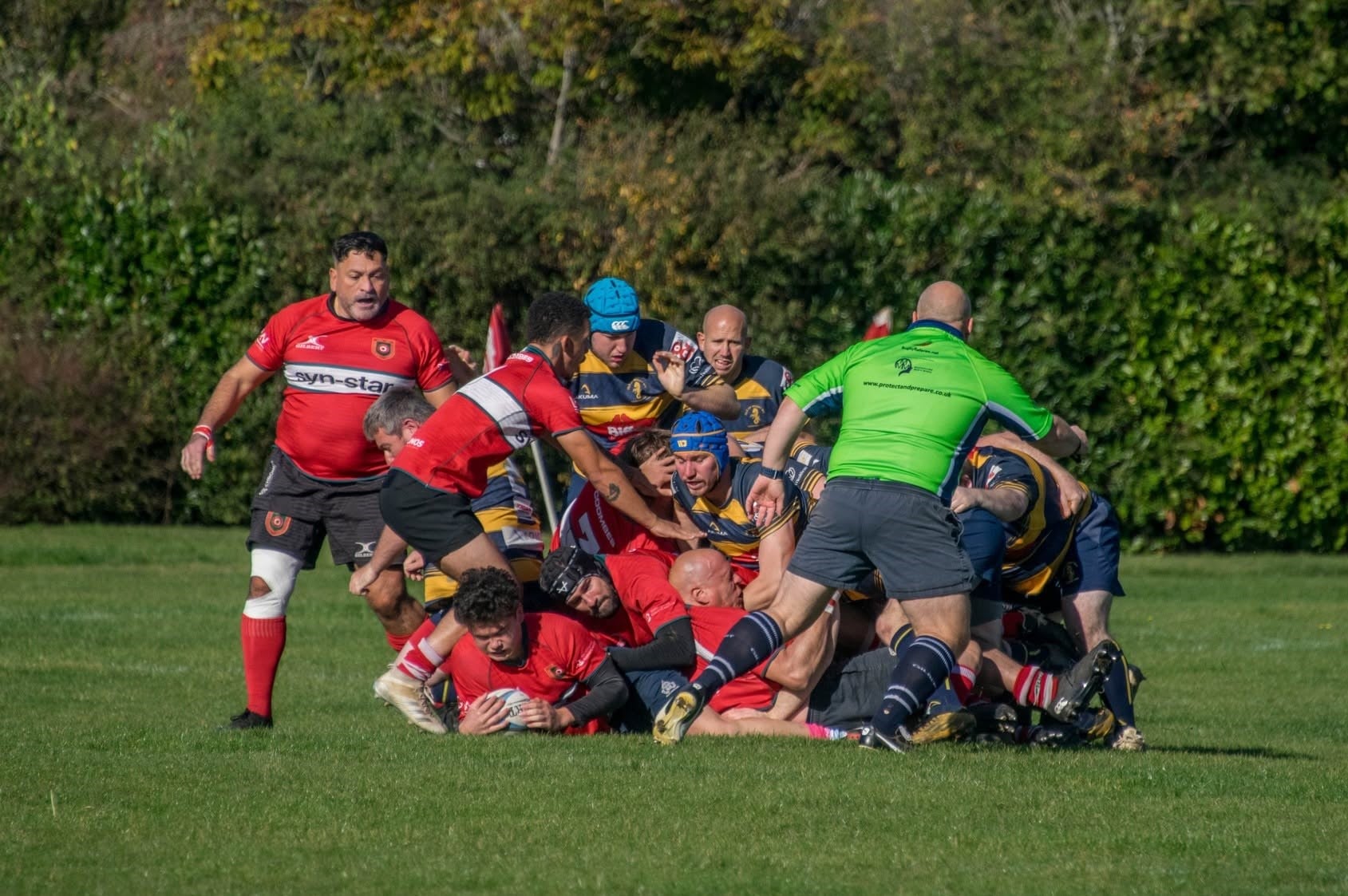







How long will it be before the players of Isle of Wight RFC, Ventnor and co are wearing smart mouthguards? Much of that will depend upon their price, of course, when released into the retail market, but all the signs suggest that the technology is very much here to stay – and will soon become an essential piece of kit for both professional and amateur rugby players. After encouraging data was captured in a series of tests and pilots, smart mouthguards will now be rolled at the Six Nations this year.
Right Guard
So ferociously contested is the Six Nations, you will see smiles of glory and tears of anguish as England, France, Ireland and co do battle once more for the famous trophy. France, the 6/5 favourites in the Six Nations betting, may go on to win the tournament, but you won’t see a beaming smile from captain Antoine Dupont in his shiny new smart mouthguard if they do – he has decided to sit out the competition. The rugby odds for the Six Nations are also bullish about the chances of Ireland, who will go into the tournament as the 6/4 second-favourites after an impressive performance at the World Cup.
All Six Nations teams and players will use Instrumented Mouthguards during this year’s senior men’s Championships#GuinnessM6N pic.twitter.com/dQ0Urvnj1b
Article continues below this advertisement — Guinness Men’s Six Nations (@SixNationsRugby) January 12, 2024

The hope is that smart mouthguards will help to better detect the G-force of a physical contact in real time, providing data on potential head injuries suffered in a tackle or ruck; the latter of which can often go unobserved – with some players not freely notifying medical staff when they have taken a blow to the head. All of which should ensure that the 2024 edition of the Six Nations is the safest for the players yet, while players in the amateur game could also benefit from a more affordable version of the ‘instrumented’ mouthguard. The technology was initially rolled out by World Rugby at WXV, the women’s international tournament won by England, Ireland and Scotland last summer. The organisation’s chief doctor, Eanna Falvey, has described the use of smart mouthguards as a ‘game-changer’ for rugby, with the hope that further successful trials will ultimately see the tech introduced across the professional ranks. Rugby will then become the first sport to benefit from automated concussion detection. The Six Nations gets underway on February 2 with a mouth-watering – no pun intended – clash between defending champions Ireland and the French in Paris, while England’s campaign gets underway against Italy the following day.
Ahead of the Game
The smart mouthguards, which are fitted with Bluetooth and a tiny data-capture device, will send information to each team’s medical department, who will then be able to decide whether an off-field Head Injury Assessment (HIA) is required after a particularly bruising tackle or following a series of heavy contacts. The data can also be used to monitor long-term statistics, which may reveal when a player needs a prolonged rest after suffering from a series of high-octane blows during a game or training session.
Nice article featuring Dr Gregory Tierney and his role with @WorldRugby in analysing smart mouthguard data with a view to accurately assess head accelerations and provide objective data as part of the new 2024 HIA (Head Injury Assessment) protocol in rugby #Concussion https://t.co/mhCbm1XdFe
— School of Sport (@UlsterSchSport) December 7, 2023
Article continues below this advertisement

“Us understanding the mechanism and the cause of high-impact events is the road to making the game a safer one,” Falvey said. There is the hope that a cheaper version of the mouthguard, available as so-called ‘boil and bite’ technology, will be adopted at amateur level. Look out for the flash gnashers in a game on the island soon!